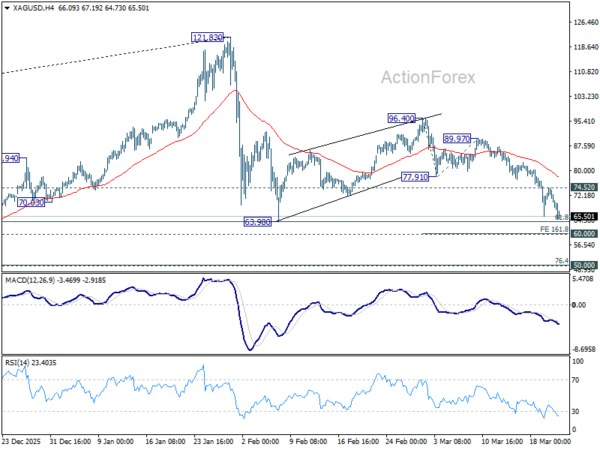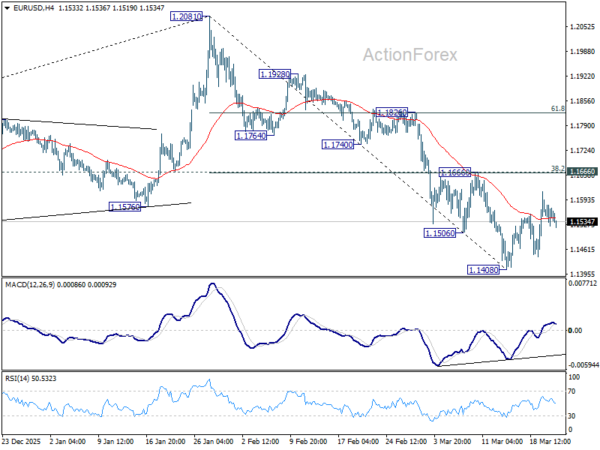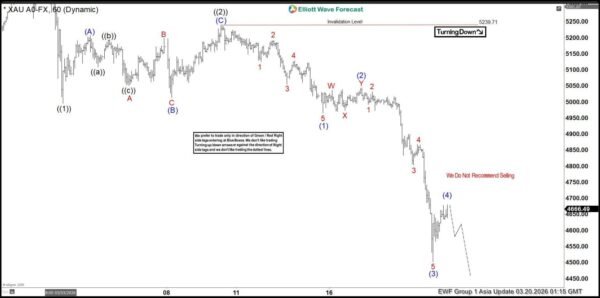

Geopolitical tensions in the Middle East continue to jolt markets, keeping volatility elevated. The week ahead could bring further swings, with investors highly sensitive to headline risk and key US macro data. Friday’s Labor Department report on the job market will be in sharp focus.
Furthermore, in the upcoming week of March 30, 2026–April 5, 2026, market participants will turn their attention to the release of key macroeconomic data from Germany, the Eurozone, the UK, the US, Australia, Japan, Switzerland, and China.
With Good Friday at the end of the week, banks and stock exchanges in Europe and the US will be closed, leading to lower trading volumes that day.
Note: During the coming week, new events may be added to the calendar, and/or some scheduled events may be canceled. GMT time
The article covers the following subjects:
Major Takeaways
- Monday: Germany’s and Japan’s CPI data.
- Tuesday: China’s PMI from the NBS, Germany’s retail sales, UK GDP, the Eurozone’s CPI, and Japan’s Tankan Large Manufacturing Index.
- Wednesday: China’s manufacturing PMI from Caixin and S&P Global, US ADP report, retail sales, and manufacturing PMI from the ISM.
- Thursday: Australia’s trade balance and Switzerland’s CPI.
- Friday: Good Friday, China’s services PMI from Caixin and S&P Global, US labor market data for March, and US services PMI from the ISM.
- Key event of the week: US labor market data for March.
Monday, March 30
12:00 – EUR: German Harmonized Index of Consumer Prices (Preliminary Estimate)
The Harmonized Index of Consumer Prices (HICP) is published by the European Statistics Office and is calculated using a methodology agreed upon by all EU countries. The HICP is an indicator for measuring inflation and is used by the European Central Bank to assess price stability. A positive index result strengthens the euro, while a negative one weakens it.
Previous values YoY: +2.0%, +2.1% in January 2026, +2.0%, +2.6%, +2.3%, +2.4%, +2.1%, +1.8%, +2.0%, +2.1%, +2.2%, +2.3%, +2.6%, +2.8% in January 2025, +2.6%, +2.8% in December 2024, +2.4%, +2.4%, +1.8%, +2.0%, +2.6%, +2.5%, +2.8%, +2.4%, +2.3%, +2.7%, +3.1% in January 2024, +3.8% in December, +2.3% in November, +3.0% in October, +4.3% in September, +6.4% in August, +6.5% in July, +6.8% in June, +6.3% in May, +7.6% in April, +7.8% in March, +9.3% in February, +9,2% in January, +9.6% in December, +11.3% in November, +11.6% in October, +10.9% in September, +8.8% in August, +8.5% in July, +8.2% in June, +8.7% in May, +7.8% in April, +7.6% in March, +5.5% in February, +5.1% in January 2022.
The data indicate that inflation remains high and even accelerates periodically, which, in turn, is forcing the ECB to ease its monetary policy, especially given the risks of recession in the Eurozone.
If the index value turns out to be lower than the previous one, the euro may weaken. Conversely, if inflation resumes rising, the euro may strengthen. An increase in the index is a positive factor for the euro.
If the March reading proves higher than the previous one, the euro may appreciate in the short term.
23:30 – JPY: Tokyo Consumer Price Index (CPI). Tokyo Core CPI excluding Food and Energy
Tokyo’s consumer price index, published by the Statistics Bureau of Japan, gauges the price change of a selected basket of goods and services over a given period. This index is a key indicator for assessing inflation and consumer preferences.
Previous values YoY:
- Tokyo CPI : +1.6%, +1.5%, +2.0%, +2.7%, +2.8%, +2.5%, +2.6%, +2.9%, +3.1%, +3.4%, +3.5%, +2.9%, +2.9%, +3.4%,+3.1%, +2.6%, +1.8%, +2.1%, +2.6%, 2.2%, +2.3%, +2.2%, +1.8%, +2.6%, +2.5%, +1.8%, +2.4%, +2.6%, +3.3%, +2.8%, +2.9%, +3.2%, +3.2%, +3.2%, +3.5%, +3.3%, + 3.4%, +4.4% in January 2023;
- Tokyo CPI excluding food and energy: +1.8%, +2.0%, +2.3%, +2.8%, +2.8%, +2.5%, +3.0%, +3.1%, +3.1%, +2.1%, +2.0%, +1.1%, +2.2%, +2.5%, +2.4%, +2.2%, +1.8%, +1.6%, +1.6%, +1.5%, +1.8%, +2.2%, +1.8%, +2.9%, +3.1%, +3.3%, +3.5%, +3.6%, +3.8%, +4.0%, +4.0%, +4.0%, +3.8%, +3.9%, +3.8%, +3.4%, +3.1%, +3.0% in January 2023.
The indicator reading lower than forecasted and/or previous values may weaken the yen, while a rise in the indicator may strengthen the currency.
Tuesday, March 31
01:30 – CNY: China’s Manufacturing and Services PMI by the China Federation of Logistics and Purchasing (CFLP)
This indicator is an essential gauge of the overall Chinese economy. An indicator reading above 50 is positive for the yuan, while a value below 50 is negative for the currency.
Previous values: 49.0, 49.3 in January 2026, 50.1 in December 2025, 49.2, 49.0, 49.8, 49.4, 49.7, 49.5, 50.5, 50.2, 49.1 in January 2025, 50.1 (December 2024), 50.3, 50.1, 49.8, 49.1, 49.4, 49.5, 50.4, 50.8, 49.2, 49.0, 49.5, 50.2, 49.3, 49.0, 48.8, 49.2, 51.9, 52.6, 50.1 in January. The relative rise in the index above 50 strengthens the yuan. Data above 50 indicates increased economic activity, positively affecting the national currency. Conversely, if the index value is below 50, the yuan will face pressure and probably decline.
Likewise, the services sector PMI assesses the state of the services sector in the Chinese economy. An indicator result above 50 is seen as positive for the yuan. Previous values: 49.5, 49.4 in January 2026, 50.2 in December 2025, 49.5, 50.1, 50.0, 50.3, 50.5, 50.3, 50.8, 50.4, 50.2 in January 2025, 52.2 in December 2024, 50.0, 50.2, 50.0, 50.3, 50.2, 50.5, 51.2, 53.0, 50.7, 50.4, 50.6, 51.7, 51.5, 53.2, 54.5, 56.4, 58.2, 56.3, 54.4 in January. Despite the relative decline, the indicator is still above the 50 value, likely influencing the yuan positively. Conversely, the indicator below 50 suggests that the yuan will face pressure and probably decline.
06:00 – EUR: German Retail Sales
Retail sales are the main indicator of consumer spending in Germany. A high indicator reading boosts the euro, while a low one weakens the currency.
Previous values: -0.9% (+1.2% YoY), +0.1% (+1.5% YoY), -0.6% (+1.1% YoY) in December 2025, +0.2% (+0.2% YoY), -0.2% (+1.8% YoY), -1.5% (+1.9% YoY), +1.0% (+4.9% YoY), -1.6% (+1.6% YoY), -1.1% (+2.3% YoY), -0.2% (+2.2% YoY), +0.8% (+4.9% YoY), +0.2% (+2.9% YoY), -1.6% (+1.8 YoY) in January 2025, -0.6% (+2.5% YoY), -1,5% (+1,0% YoY), +1.2% (+3.8% YoY), +1.6 (+2.1% YoY), -1.2% (-0.6% YoY), +2.6% (-1.9% YoY), -1.5% (+2.2% YoY), -0.3% (-.2% YoY) in January 2024.
The data suggests that the German economy’s recovery has been uneven, with some months experiencing a slowdown. Indicator readings higher than forecasted and/or previous values are likely positive for the euro in the short term.
06:00 – GBP: UK GDP for Q4 2025 (Final Estimate)
GDP is viewed as an indicator of the UK economy’s condition. The growing GDP indicator is considered positive for the British pound. The UK GDP rate was one of the highest in the world until 2016, when the Brexit referendum occurred. Subsequently, its growth decelerated, and with the onset of the COVID-19 pandemic, the UK GDP rate dropped.
Previous GDP values: +0.1% in Q3, +0.3% in Q2 2025, +0.7% in Q1 2025, +1.5% in Q4 2024, 0.0% in Q3, +0.5% in Q2, +0.7% in Q1 2024, -0.3% in Q4, -0.1% in Q3, 0% in Q2, +0.2% in Q1 2023, +0.1% in Q4 2022, -0.1% in Q3, +0.1% in Q2, +0.5% in Q1 2022, +1.5% in Q4 2022.
The key factors that may force the Bank of England to keep the rate low include weak GDP, slow labor market growth, and low consumer spending. Should the GDP data fall significantly below previous values, the pound will face downward pressure. Conversely, high GDP readings will bolster the currency.
The preliminary estimate stood at +0.1% (+0.1% YoY), though it was forecast to be +0.1% (+1.3% YoY).
09:00 – EUR: Harmonized Index of Consumer Prices. Core HISP (Flash)
The Harmonised Index of Consumer Prices (HICP) is published by Eurostat and measures the change in prices of a selected basket of goods and services over a specific period. The index is a key indicator for assessing inflation and changes in consumer preferences. A positive reading strengthens the euro, while a negative reading weakens it.
Previous values (YoY): +1.9%, +1.7% in January 2026, +1.9% in December 2025, +2.1%, +2.2%, +2.0%, +2.0%, +2.0%, +1.9%, +2.2%, +2.2%, +2.3%, +2.5% in January 2025, +2.4% in December 2024, +2.3%, +2.0%, +1.7%, +2.2%, +2.6%, +2.5%, +2.6%, +2.4%, +2.4%, +2.6%, +2.8% in January 2024, +2.9%, +2.4%, +2.9%, +4.3%, +5.2%, +5.3%, +5.5%, +6.1%, +6.1%, +7.0%, +6.9%, +8.5%, +8.6% in January 2023, +9.2%, +10.1%, +10.6%, +9.9%, +9.1%, +8.9%, +8.6%, +8.1%, +7.4%, +7.4%, +5.9%, +5.1% in January 2022.
If the data is worse than the forecasted value, the euro may face a short-term but sharp decline. Conversely, if the data surpasses the forecast and/or the previous value, it could strengthen the euro in the short term. The ECB’s consumer inflation target is just below 2.0%, and the reading suggests that inflation continues to decline in the Eurozone.
According to the accompanying statement following the ECB’s October 2024 meeting, when its leaders decided to cut the benchmark interest rate by 25 basis points, the regulator stated that the disinflation process is underway.
And now, the ECB administration is signaling its intention to continue easing its monetary policy, which is a negative factor for the euro.
The Core Harmonized Index of Consumer Prices (Core HICP) measures the price change of a selected basket of goods and services over a specified period and serves as a key indicator for assessing inflation and consumer preferences. Food and energy are excluded from this indicator in order to provide a more accurate assessment. A high result strengthens the euro, while a low one weakens it.
Previous values YOY: +2.4%, +2.3% in January 2026, +2.3% in December 2025, +2.4%, +2.4%, +2.3%, +2.3%, +2.3%, +2.3%, +2.7%, +2.4%, +2.6%, +2.7% in January 2025, 2.7% in December 2024, +2.7%, +2.7%, +2.7%, +2.8%, +2.9%, +2.9%, +2.9%, +2.7%, +2.9%, +3.1%, +3.3% in January 2024, +3.4%, +3.6% +4.2%, +4.5%, +5.3%, +5.5%, +5.5%, +5.3%, +5.3%, +5.6%, +5.7%, +5.6%, +5.3%, +5.2%, +5.0%, +5.0%, +4.8%, +4.3%, +4.0%, +3.7%, +3.8%, +3.5%, +3.0%, +2.7%, +2.3% in January 2022.
If the March 2026 figures are weaker than the previous or forecasted value, the euro may be negatively affected. If the data turns out to be better than the forecasted or previous value, the currency will likely grow.
According to recently reported data, the Eurozone’s core inflation rate is still high, above the ECB’s target of 2.0%. As a result, the ECB is inclined to maintain high interest rates, which is favorable for the euro in normal economic conditions.
14:00 – USD: US Consumer Confidence Index
A Conference Board’s survey of nearly 3,000 US households evaluates current and future economic conditions and overall economic sentiment. Consumer confidence in the country’s economic development and stability is a key indicator of consumer spending and, consequently, economic performance. High confidence levels suggest economic growth, while low levels indicate stagnation.
Previous indicator values: 91.2, 84.5, 89,1, 88.7, 94.6, 94.2, 97.4, 97.2, 93.0, 98.0, 86.0, 92.9, 98.3, 104.1 in January 2025, 104.7 in December 2024, 111.7, 108.7, 98.7, 103.3, 100.3, 100.4, 102.0, 97.0, 104.7, 106.7, 114.8, 110.7, 102.0, 102.6, 103.0, 106.1, 117.0, 109.7, 102.3, 101.3, 104.2.
The increase in the indicator values will bolster the US dollar exchange rate, while the decrease will weaken it.
23:50 – JPY: Tankan Large Manufacturing Index for Q1 2026
The index reflects general business conditions for Japan’s large manufacturing companies and estimates the current state of Japan’s export-oriented economy, which is heavily dependent on the industrial sector.
The index value above 0, the midline, is positive for the Japanese yen, while a reading below 0 is negative.
Previous quarterly values: 15 in Q4 2025, 14, 13, 12 in Q1 2025, 14 in Q4 2024, 13, 13, 11, 13, 9, 5, 1 in Q1 2023. A relative rise in the indicator will bolster the yen, while a relative decline, especially a slide into negative territory, will exert pressure on the currency.
Wednesday, April 1
01:45 – CNY: RatingDog China Manufacturing PMI
The RatingDog Manufacturing Purchasing Managers’ Index (PMI), released by Caixin Insight Group and S&P Global, is a leading indicator gauging business activity in China’s manufacturing sector. Since China is the world’s second-largest economy, its macroeconomic data releases can strongly influence financial markets.
Previous values: 52.1, 50.1 in December 2025, 49.9, 50.6, 51.2 in September 2025.
A decline in the indicator value and reading below 50 may negatively affect the renminbi, as well as commodity currencies such as the New Zealand and Australian dollar. Data that exceeds forecasted or previous values will have a positive impact on these currencies.
12:15 – USD: ADP Private Sector Employment Report
The ADP report on private sector employment significantly impacts the market and the US dollar. An increase in this indicator value positively affects the greenback. The number of workers in the US private sector is expected to increase in March after posting +63k in February, +11k in January, +37k in December 2025, +29k in november, +47k in October, -29k in September, -3k in August, +106k in July, -23k in June, +29k in May, +60k in April, +147k in March, +84k in February, +186k in January 2025, +176k in December 2024,+146k in November, +184k in October, +159k in September, +103k in August, +111k in July, +155k in June, +157k in May, +188k in April, +208k in March, +155k in February, +111k in January 2024, +158k in December, +104k in November, +111k in October, +137k in September, +135k in August, +307k in July, +543k in June, +206k in May, +293k in April, +103k in March, +275k in February, +131k in January 2023.
The growth of the index values may positively affect the US dollar, while low index readings may adversely influence it. A negative market reaction and a potential decline in the dollar may occur if the data turns out to be worse than forecasted.
The ADP report is not directly correlated with the official data of the US Department of Labor, which is due on Friday. However, the ADP report often serves as a forerunner of the department’s data and significantly influences the market.
12:30 – USD: US Retail Sales. Retail Sales Control Group
This Census Bureau report on retail sales reflects the total sales of US retailers of all sizes and types. The change in retail sales is a key indicator of consumer spending. The report is a leading indicator, and the data may be subject to significant revisions in the future. High indicator readings strengthen the US dollar, while low readings weaken it. A relative decline in the indicator may have a short-term negative impact on the US dollar, while a rise in the indicator will positively impact the currency.
In January 2026, the value stood at -0.2% after 0% in December 2025, +0.6% in November, -0.1% in October, +0.1% in September, +0.6% in August and July, +0.9%, -0.8%, -0.1%, +1.5%, 0%, -0.9% in January 2025.
Retail sales are the main indicator of consumer spending in the United States, showing the change in the retail industry.
Retail sales serve as an indicator of domestic consumption, contributing the most to the US GDP and being one of the main factors influencing inflation. Deterioration of the indicator values is a negative factor for the US dollar. Inflation deceleration may prompt the Fed to begin the process of monetary policy easing.
The Retail Control Group indicator gauges volume in the retail industry and is used to calculate price indexes for most goods. High readings strengthen the US dollar, while low readings weaken the currency. A slight increase in the figures is unlikely to boost the dollar. If the data is lower than the previous readings, the dollar may be negatively impacted in the short term. Previous values: +0.3%, 0%, +0.2%, +0.6%, -0.2%, +0.7%, +0.5%, +0.9%, +0.3%, -0.2%, +0.5%, +0.8%, -0.5%, +1.0%, 0%, +0.2%, +1.1%, -0.1%, +0.3%, +1.2%, +0.6%, +0.1%, +0.8%, +0.2%, -0.6% in January 2024.
14:00 – USD: US ISM Manufacturing Purchasing Managers’ Index
The US PMI, published by the Institute for Supply Management (ISM), is an important measure of the US economy. When the index surpasses 50, it bolsters the US dollar, whereas readings below 50 have a detrimental effect on the greenback.
Previous values: 52.4, 52.6 in January 2026, 47.9 in December 2025, 48.2, 48.7, 49.1, 48.7, 48.0, 49.0, 48,5, 48.7, 49.0, 50.3, 50.9 in January 2025, 49.3 in December 2024, 48.4, 46.5, 47.2, 47.2, 46.8, 48.5, 48.7, 49.2, 50.3, 47.8, 49.1 in January 2024, 47.4 in December, 46.7 in November, 46.7 in October, 49.0 in September, 47.6 in August, 46.4 in July, 46.0 in June, 46.9 in May, 47.1 in April, 46.3 in March, 47.7 in February, 47.4 in January 2023.
The index has been below the 50 level for several months now, indicating a slowdown in this sector of the US economy. The growth of index values supports the US dollar. Conversely, if the index reading falls below the forecasted values or below 50, the greenback may sharply depreciate in the short term.
Thursday, April 2
00:30 – AUD: Balance of Trade
The Balance of Trade is an indicator that measures the ratio of exports to imports. An increase in Australian exports leads to a larger trade surplus, positively affecting the Australian dollar. Previous values (in billion Australian dollars): 2.631 in January, 3.373 in December, 2.597 in November, 4.353 in October, 3.707 in September, 1.111 in August, 6.612 in July, 5.366 in June, 1.604 in May, 4.859 in April, 6.892 in March, 2.921 in February, 5.156 in January 2025, 4.924 in December, 6.792 in November, 5.670 in October, 4.5362 in September, 5.284 in August, 5.636 in July, 5.425 in June, 5.052 in May, 6.678 in April, 4.841 in March, 6.707 in February, and 9.873 in January 2024.
A decrease in the trade surplus could negatively affect the Australian dollar, while an increase in the indicator figure may bolster the currency.
06:30 – CHF: Switzerland Consumer Price Index
The Consumer Price Index (CPI) reflects the retail price trends for a group of goods and services comprising the consumer basket. The CPI is a key gauge of inflation. Additionally, the index has a significant impact on the value of the Swiss franc.
In February 2025, consumer inflation rose by +0.6% (+0.1% YoY) after posting -0.1% (+0.1$ YoY), 0% (+0.1% YoY) in December 2025, -0.2% (0% YoY) in November, +0.1% YoY, -0.3% (+0.1% YoY) in October, -0.2% (+0.2% YoY) in September, 0% (+0.2% YoY) in August, -0.1% (+0.2% YoY) in July, +0.2% (+0.1% YoY), +0.1% (-0.1% YoY) in May, 0% in April, +0.6% (+0.3% YoY) in February, -0.1% (+0.4% YoY) in January 2025, -0.1% (+0.6% YoY) in December, -0.1% (+0.7% YoY) in November, -0.1% (+0.6% YoY) in October, -0.3% (+0.8% YoY) in September, 0% (+1.1% YoY) in August, -0.2% (+1.3% YoY) in July, 0% (+1.3% YoY) in June, +0.3% (+1.4% YoY) in May, +0.3% (+1.4% YoY) in April, 0% (+1.2% YoY) in February, +0.2% (+1.3% YoY) January 2024, +1.7% in December 2023, +1.4% in November, and +1.7% YoY in October.
An index reading below the forecasted or previous value may weaken the Swiss franc, as low inflation will force the Swiss Central Bank to ease its monetary policy. Conversely, a high reading would be positive for the Swiss franc.
Friday, April 3
European and American countries are celebrating Good Friday. Banks and stock exchanges in those countries will be closed, so trading volumes are expected to be lower than usual.
01:45 – CNY: RatingDog China Services PMI
The RatingDog Manufacturing Purchasing Managers’ Index (PMI), released by Caixin Insight Group and S&P Global, is a leading indicator gauging business activity in China’s services sector. Since China is the world’s second-largest economy, its macroeconomic data releases can strongly influence financial markets.
Previous values: 56.7, 52.3 in January 2026, 52.0 in December 2025, 52.6, 52.9 in September 2025.
Although an index value above 50 indicates growth, a relative decline in the indicator may adversely affect the yuan. Since China is the most important trade and economic partner of Australia and New Zealand, a deterioration in Chinese macro data may negatively impact the Australian and New Zealand dollars. Conversely, an increase in Chinese macro figures is usually positive for these currencies.
12:30 – USD: Average Hourly Earnings. Private Nonfarm Payrolls. Unemployment Rate
The most significant US labor market indicators for March.
Previous values: +0.4% in February and January 2026, +0.3% in December 2025, +0.1%, +0.4%,+0.2% in September, +0.4% in August, 0.3% in July, +0.2% in June, +0.4% in May, +0.2% in April, +0.3% in March and February, +0.5% in January 2025, +0.3% in December 2024, +0.4% in November, October, September, and August, +0.2% in July, +0.3% in June, +0.4% in May, +0.2% in April, +0.3% in March, +0.1% in February, +0.6% in January 2024, +0.4% in December and November 2023, +0.2% in October, September, and August, +0.4% in July and June, +0.3% in May, +0.5% in April, +0.3% in March, +0.2% in February, +0.3% in January 2023 / 227k in November, 36k in October, +255k in September, +78k in August, +114k in July, +118k in June, 216k in May, +108k in April, +310k in March, +236k in February, +256k in January 2024, +290k in December 2023, +182k in November, +165k in October, +246k in September, +210k in August 2023, +210k in August 2023 / 4.2% in November, 4.1% in October and September, 4.2% in August, 4.3% in July, 4.1% in June, 4.0% in May, 3.9% in April, 3.8% in March, 3.9% in February, 3.7% in January 2024, December and November 2023, 3.9% in October, 3.8% in September and August, 3.5% in July, 3.6% in June, 3.7% in May, 3.4% in April, 3.5% in March, 3.6% in February, 3.4% in January 2023.
Overall, the values are positive. Nevertheless, it is often difficult to predict the market’s reaction to the data release, given that many previous figures can be revised. This task becomes even more challenging now due to the contradictory economic situation in the US and many other large economies, with the looming risk of recession alongside persistently high inflation.
Regardless, the release of the US labor market data is anticipated to prompt increased volatility not just in the US dollar but also in the entire financial market. Most risk-averse investors will probably prefer to stay out of the market during this period.
14:00 – USD: US ISM Services Purchasing Managers’ Index
The PMI assesses the state of the US services sector, accounting for about 80% of US GDP. The share of final goods production is about 20% of GDP, including 1% for agriculture and 18% for industrial production. Therefore, the publication of the services sector data significantly impacts the US dollar. An indicator reading above 50 is positive for the currency.
Previous values: 56.1, 53.8 in January, 54.4 in December 2025, 52.6 in November, 52.4 in October, 50.0 in September, 52.2 in August, 50.1 in July, 50.8 in June, 49.9 in May, 51.6 in April, 50.8 in March, 53.5 in February, 52.8 in January 2025, 54.1 in December 2024, 52.1 in November, 56.0 in October, 54.9 in September, 51.5 in August, 51.4 in July, 48.8 in June, 53.8 in May, 49.4 in April, 51.4 in March, 52.6 in February, 53.4 in January 2024, 50.5 in December, 52.5 in November, 51.9 in October, 53.4 in September, 54.5 in August, 52.7 in July, 53.9 in June, 50.3 in May, 51, 9 in April, 51.2 in March, 55.1 in February, 55.2 in January 2023, 49.6 in December, 56.5 in November, 54.4 in October, 56.9 in August, 56.7 in July, 55.3 in June, 55.9 in May, 57.1 in April, 58.3 in March, 56.5 in February, 59.9 in January 2022.
The growth of index values will favorably affect the US dollar. However, a relative decline in the index values and readings below 50 may negatively affect the US dollar in the short term.
Price chart of USDX in real time mode
The content of this article reflects the author’s opinion and does not necessarily reflect the official position of LiteFinance broker. The material published on this page is provided for informational purposes only and should not be considered as the provision of investment advice for the purposes of Directive 2014/65/EU.
According to copyright law, this article is considered intellectual property, which includes a prohibition on copying and distributing it without consent.