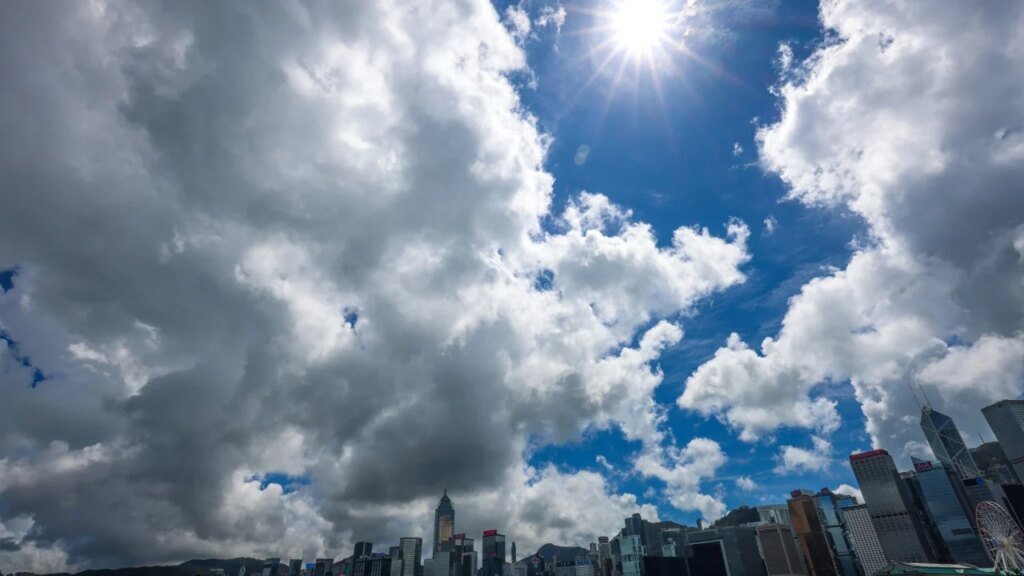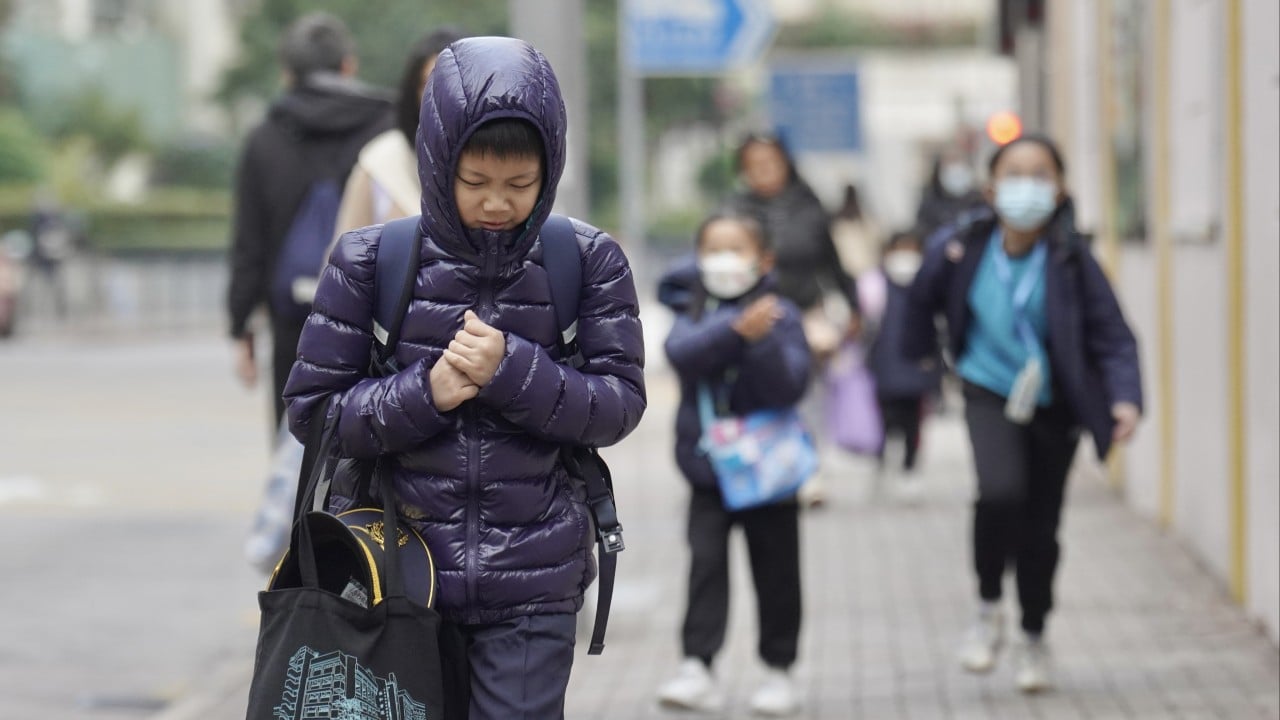
Hong Kong experienced its driest January day on record earlier this week, bucking its reputation for high temperatures and humidity.
Relative humidity in the city plunged to 17 per cent on Thursday, the lowest for the month since records started in 1984.
To help Hongkongers adjust, the Post speaks to experts about how to manage the cold and dry weather.
1. What is the impact on the respiratory system?
Dr Edmund Lam Wing-wo, a family doctor, said the sudden cold and dry weather was conducive to the proliferation of respiratory viruses and could weaken people’s immune systems, including their nasal mucosa response.
“If viruses become more rampant and people’s immune systems weaken, it becomes easier to catch infections ranging from colds to flu,” he said on Friday.
He noted that other infections, such as those caused by respiratory syncytial virus or rhinovirus, could also be more prevalent because of the dry and cold weather, despite being present year round.
Lam said wearing surgical masks outdoors could help, as the air people breathed in could be less dry and cold. He also reminded the public to put on enough clothing and drink enough water to stay hydrated.