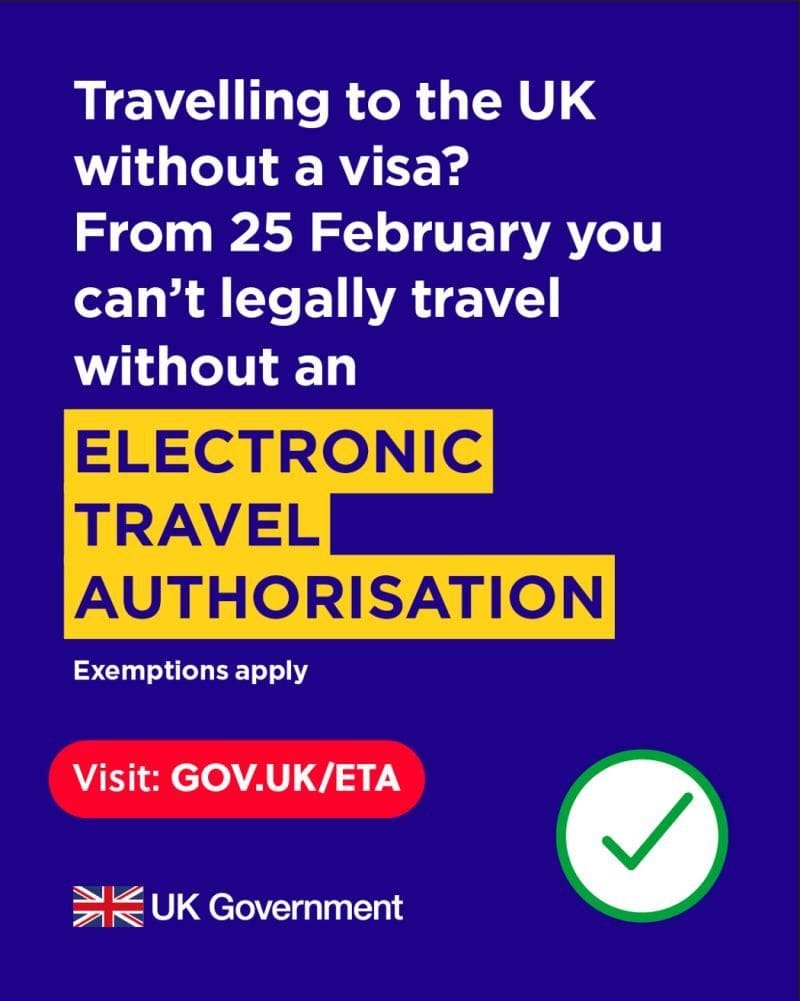
Effective February 25, 2026, the UK has begun strictly enforcing the requirement for individuals travelling to the UK to have obtained digital “permission to travel”. Therefore, everyone (except British and Irish citizens and some other exempt categories who meet defined eligibility criteria) wanting to travel to the UK will need a “permission to travel”.
Carriers will prevent individuals from boarding if they do not have an Electronic Travel Authorization (ETA), eVisa, or other valid documentation to enter the UK. Enforcement of the ETA scheme will require individuals and employers to be aware of the additional procedural steps and costs when planning for travel or transit through the UK. As a reminder, the ETA is a digital permission to travel to the UK. It is not a visa, does not guarantee travel to the UK, and applies to certain nationals who do not require a visa to visit the UK.
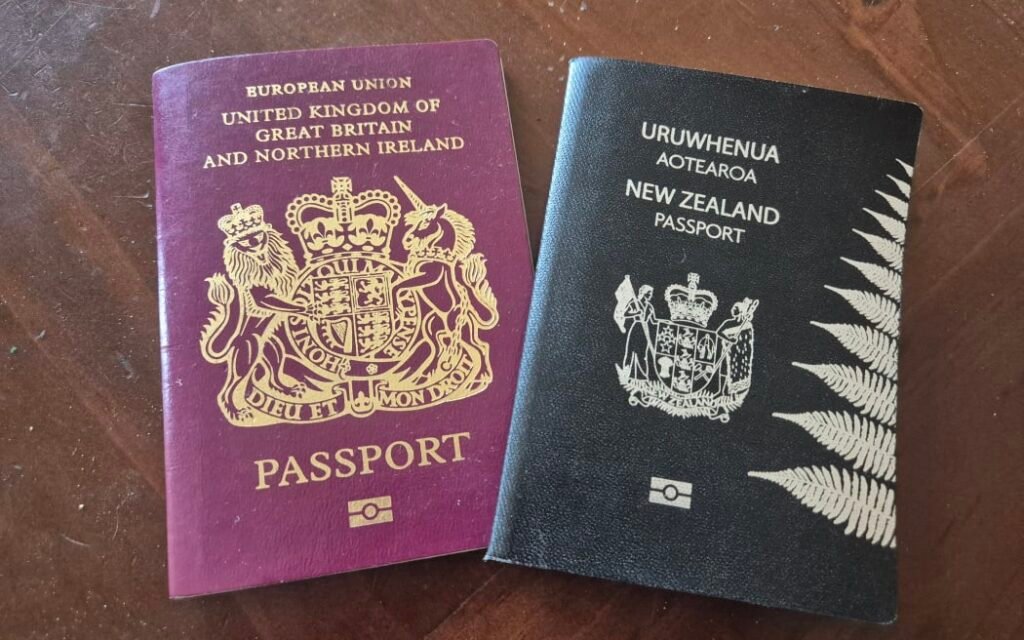
The operational enforcement of the ETA scheme has resulted in some important practical considerations for dual national British citizens travelling to the UK. Whereas dual national British citizens are exempt from the requirement to obtain an ETA, they will no longer be able to travel to the UK using only their non-UK passport. Instead, they will be required to present either a valid British passport or Certificate of Entitlement to the Right of Abode when travelling to the UK. However, at their own discretion, carriers may accept some expired British passports as alternative documentation. Dual national British citizens should ensure they check their travel documentation prior to travelling to the UK to avoid unnecessary delays, questioning by the carrier and/or issues upon entry to the UK.
As a reminder, the ETA scheme is broadly equivalent to the U.S. Electronic System for Travel Authorization (ESTA) scheme. It is part of the UK government’s broader efforts to move towards fully digitizing the UK’s immigration system, strengthening the UK’s border security, and helping to deliver a more efficient and modern service for travellers seeking entry to the UK[1]. In a ministerial statement made on February 25, Mike Tapp, MP reiterated the benefits of introducing a digital permission to travel requirement. He also emphasized that active steps had been taken to raise awareness of what this means for dual national British citizens and confirmed that the temporary operational guidance is a short-term transitional measure[2].
The Position of Dual National British Citizens
Although British citizens have the right to live in the UK, they must prove this right when seeking entry to the UK.
It will no longer be possible for dual national British citizens to travel to the UK on their non-British passport even where that passport would normally allow visa-free travel. They will need to prove their exemption from the ETA scheme. This can be done by individuals presenting:
- A valid British passport
- A non-UK passport containing a valid Certificate of Entitlement to the Right of Abode
- An emergency travel document (this can be applied for by individuals who have previously held a UK passport. An emergency travel document is issued in urgent or exceptional circumstances).
Under a last-minute amendment made on February 20, the Home Office confirmed that under temporary guidance, carriers may allow travel where an individual presents an expired UK passport issued in 1989 or later, together with a valid passport from a nationality eligible for an ETA. This is also subject to the provision that the personal details on both passports match. It should be noted that the decision to allow travel will remain at the discretion of the carrier. Mike Tapp, MP, confirmed in his ministerial statement on February 25, 2026, that the temporary operational guidance is a short-term transitional measure. There is no indication as to how long this will remain a temporary concession.
Recommended Actions
Despite being exempt from the ETA requirements, the operational enforcement of the ETA scheme means that this exemption only applies where British citizenship can be evidenced in the prescribed ways detailed above.
It is recommended that dual national British citizens:
- Review the validity of their British passport well in advance of travel
- Apply for, or renew their British passport if they do not currently hold one, or if it has expired
- Consider applying for a Certificate of Entitlement to the Right of Abode if a British passport is not a viable option
- Are prepared for any urgent or emergency travel to the UK as emergency travel documentation may not always be an option
- Familiarize themselves with the criteria contained in the temporary guidance as it relates to using an expired UK passport (noting that it is at the discretion of the carrier as to whether an individual will be able to travel)
- Plan for potential delays as carriers may need to carry out additional pre-departure checks depending on the documentary evidence presented to evidence British citizenship
More broadly, the enforcement of the ETA will require individuals and employers to be aware of the additional procedural steps and costs when planning for travel to, or transit through, the UK. Global or local travel policies may need to be reviewed to ensure that they reflect the ETA scheme requirements for individuals travelling to the UK for work-related reasons.
It is recommended that employers and affected individuals consult with UK specialist immigration counsel for further guidance on specific scenarios and/or strategic advice on global mobility and immigration policies.
In the interim, if you have any questions or would like to discuss further, please reach out to your Account Manager or email us at [email protected].
[1] https://www.gov.uk/government/news/uk-enforces-digital-permission-to-travel
[2] https://www.gov.uk/guidance/electronic-travel-authorisation-eta-guide-for-dual-citizens
This immigration update is for informational purposes only and is not a substitute for legal or scenario-specific advice. Furthermore, it is important to note that immigration announcements are subject to sudden and unexpected changes. Readers are encouraged to reach out to Newland Chase for any case- or company-specific assessments.