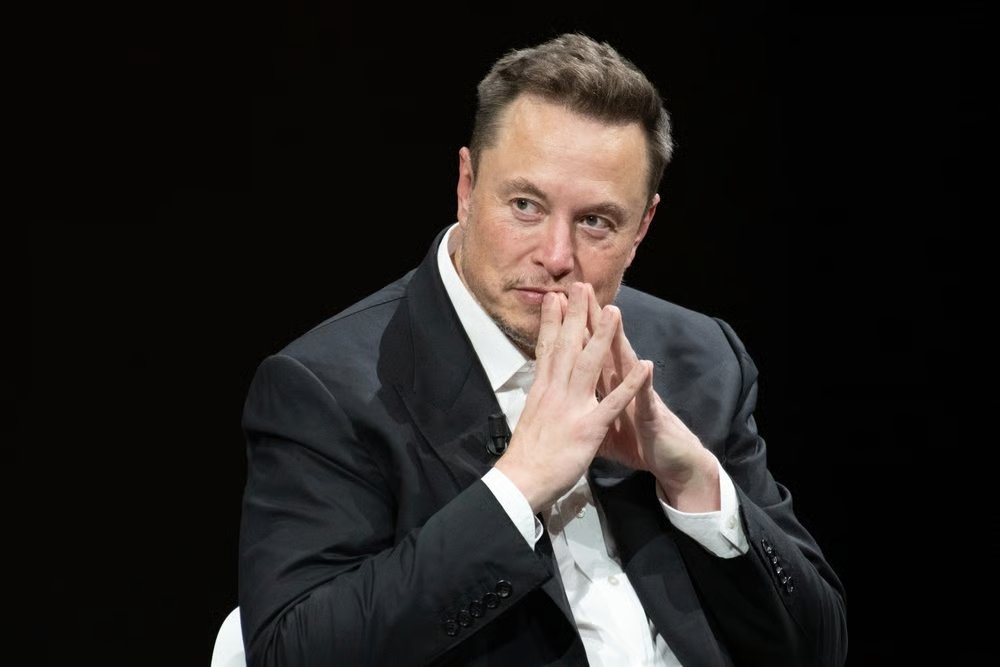
Big ideas tend to sound smooth until someone asks what gets lost along the way. Tesla CEO Elon Musk is doing exactly that, shifting the spotlight from rockets and AI to something less flashy but just as consequential — culture.
Speaking at the WELT Economic Summit last August, Musk made it clear this wasn’t about rejecting global connection. It was about what happens when connection turns into sameness.
“There are great things in every culture,” Musk said. He didn’t stop there. “We don’t want German culture to disappear. We don’t want French culture to disappear.”
Don’t Miss:
Musk continued by widening the lens beyond Europe. “We don’t want Korean culture, Japanese culture, or American culture to disappear, or any culture anywhere,” he said.
Then came the warning that anchored his argument. “This is why we should be cautious about a global melting pot: every place would become the same, with no unique cultures left, making the world worse,” Musk said. “I think that most people would agree it’s better to not have cultures disappear.”
Musk then pointed to what he sees as the underlying pressure. “Currently, with low birth rates, multiculturalism, and globalism, we’re seeing the dilution and destruction and death of individual cultures — which is terrible for the future,” he said.
The throughline is simple but loaded. In Musk’s view, cultural differences aren’t friction points. They’re assets, built over centuries and worth protecting.
Trending: Caught With Nothing Saved for Retirement? These 5 Game‑Changing Tips Could Still Save You
The demographic piece backs up part of what Musk is pointing to.
Germany’s fertility rate fell to 1.35 children per woman in 2024, according to Destatis. Among German citizens, it dropped further to 1.23. Across the European Union, the average came in at 1.34, well below the roughly 2.1 needed to maintain population levels without immigration.
That gap shifts the equation. In countries like Germany, population growth now depends heavily on immigration rather than native birth rates. Over time, that raises real questions about how cultural traditions are passed down.
Musk didn’t argue for shutting doors. His focus stayed on balance — keeping cultural identity intact while the world becomes more connected.