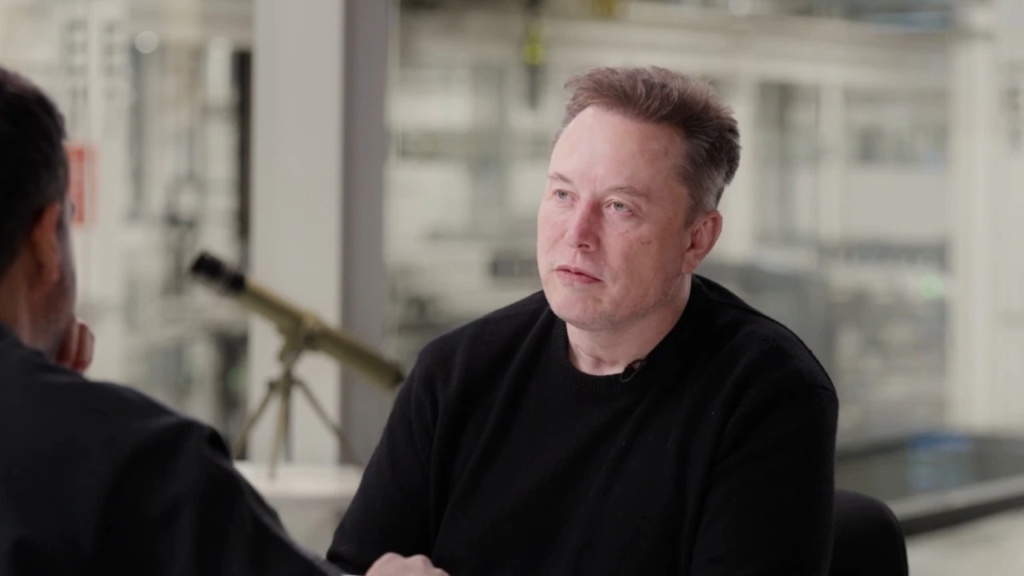
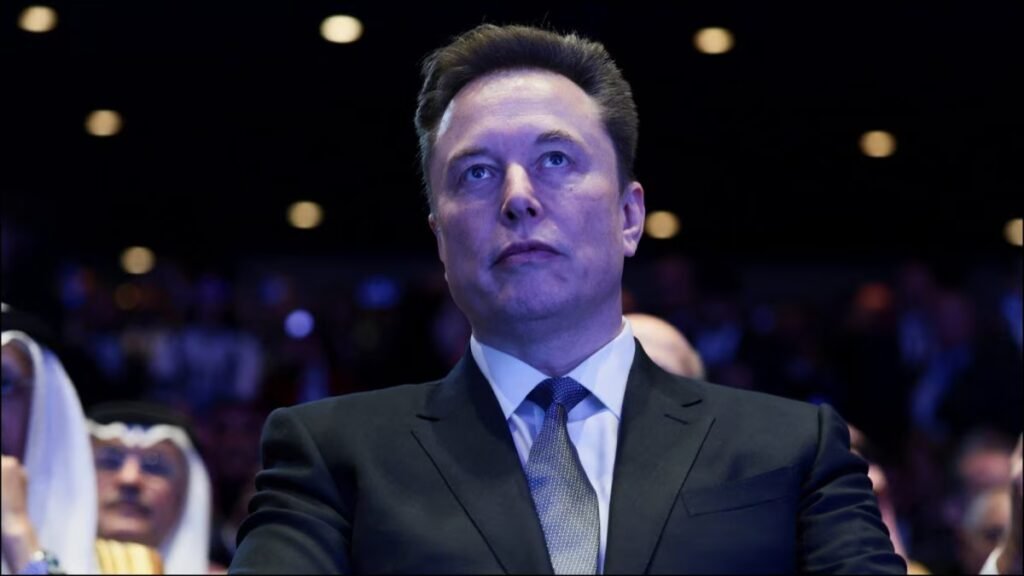
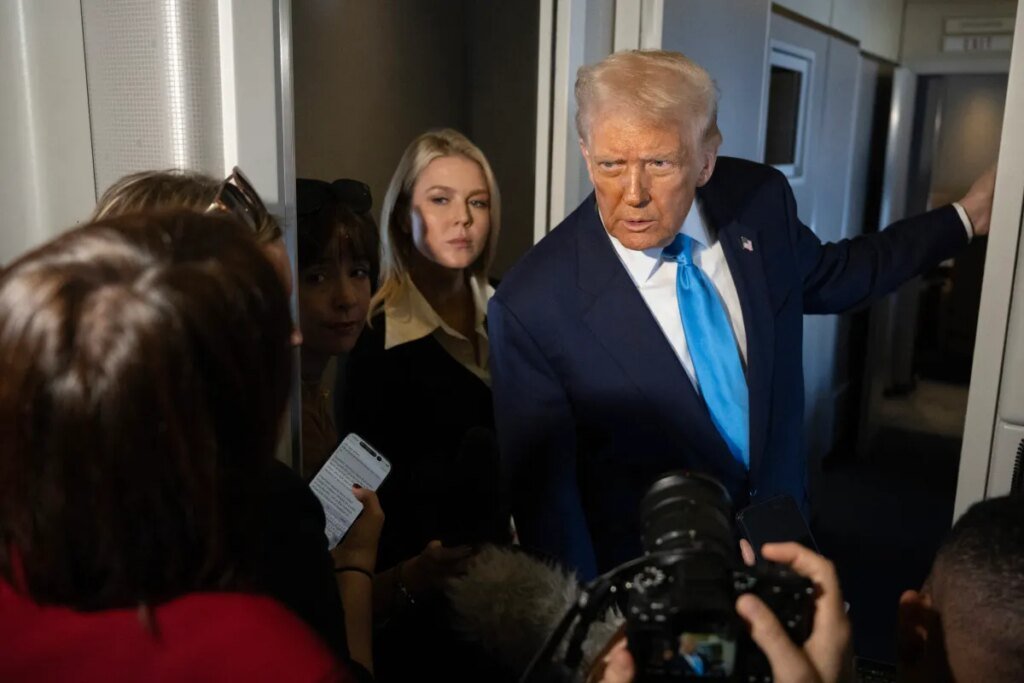
On the Monday, December 1, 2025 episode of The Excerpt podcast: Elon Musk’s DOGE, the Department of Government Efficiency, has been dismantled with eight months still left on its charter. USA TODAY Politics Reporter Kathryn Palmer joins USA TODAY’s The Excerpt to break down its demise.
Hit play on the player below to hear the podcast and follow along with the transcript beneath it. This transcript was automatically generated, and then edited for clarity in its current form. There may be some differences between the audio and the text.
Podcasts: True crime, in-depth interviews and more USA TODAY podcasts right here
Dana Taylor:
After less than a year, the Department of Government Efficiency, better known as DOGE, is done. The controversial cost-cutting initiative was initially led by the equally controversial tech billionaire, Elon Musk. Did DOGE succeed in what it set out to do?
Hello and welcome to USA Today’s The Excerpt. I’m Dana Taylor. Today is Monday, December 1st, 2025.
While much has been made of the steep cuts in the number of federal employees, there was also what Musk called a mandate from President Donald Trump to, “delete the mountain,” of government regulations and remake the government with AI. Here to dive into all things DOGE is USA Today Politics Reporter Kathryn Palmer. It’s good to have you back, Kathryn.
Kathryn Palmer:
Thanks so much for having me.
Dana Taylor:
Now, I asked if DOGE succeeded in what it set out to do, but before we get to that, can you give me an idea of the scope of what President Trump tasked the Department of Government Efficiency with doing?
Kathryn Palmer:
Kind of stepping back, rewinding all the way to 2024, this agency and this effort was really born out of this bromance between Trump and tech billionaire Elon Musk. The pair used to be very tight. Musk was one of Trump’s biggest campaign bankrollers. He often appeared in some campaign events with him. And in this closening relationship between the two, you could see that there was this connection that they shared over a complaint, which has been common among MAGA and with Republicans, that the federal government is too large. It’s too bloated, it is inefficient.
So last year, as the pair are getting closer, they’re finding commonalities, Musk is sidling up more to the campaign, you see the pair are tossing back this idea of this agency. Even the name itself is very Musk coded, DOGE after the meme cryptocurrency coin, Dogecoin. So this agency was created in January. It was an executive order, and what it essentially did is it codified and organized this effort that the pair were talking about and really agreeing on to slash government waste. And in this executive order, it said this body, this agency, which was created by refashioning an executive agency that already existed, was to eliminate, “waste, bloat, and insularity in the federal bureaucracy.”
Dana Taylor:
So as we said, DOGE began with Elon Musk at the helm. Didn’t stay that way though. When and why did Musk leave?
Kathryn Palmer:
Yeah, so one of the things to note is this agency, when it was created, it was very ambitious in this charter that Trump signed, it was supposed to be an 18-month agenda. But if we can think back to what the headlines were, what the main conversations were, January, February, March of 2024, a lot of it was DOGE. This agency came out the gate really, really hard.
DOGE began with Elon Musk at the helm. Musk was the brains behind the whole thing. He really owned DOGE and became nearly synonymous with the agency itself before even it was created, before it was an executive agency. Elon Musk was everywhere, and he was loud, and that started to backfire on him. His presence started to really grate some other administration officials. And this really culminated in a dramatic falling out between Musk and the president. And this was over Trump’s massive tax and spending bill, the Big Beautiful Bill, as it was called for many months.
Musk took great almost offense by this. He complained quite loudly that he thought it was irresponsible, that it was adding to the federal deficit. And he found that to be hypocritical and at odds with this agency that he was running, that he had created alongside Trump and here comes this signature tax bill. And Musk just slammed this bill continuously and it led to a falling out between Trump and Musk. And by the end of May, Musk was on his way out. It was an 18-month mandate, and here we are. It’s not summer of 2026, and DOGE is effectively done.
Dana Taylor:
The agency at times ran roughshod over those who attempted to stand in its way. What happened there? How did DOGE deal with the opposition?
Kathryn Palmer:
It seemed like every single week, there was announcement of new layoffs, new buyouts, new alleged thousands, millions of dollars saved by cutting government contracts, new actions by this agency that was just created. So DOGE really came out the gate hard and fast, and pretty much almost immediately there was massive legal pushback. And in several of these cases, federal judges ruled there was executive overstep, that some of these things that DOGE was doing really dove into the territory of Congress. There were massive protests and a ton of public outcry, especially among the thousands of government workers whose careers and livelihoods were completely upended.
Dana Taylor:
So yes, DOGE terminated tens of thousands of federal workers, but then we also saw that some were asked to return.
Kathryn Palmer:
Yeah. February, March, April, the administration went on a firing and layoff spree. It was just deluge at one point of announcements of different federal agencies that were seeing complete slashes in their workforce, some agencies that essentially just ceased to exist after these announcements by DOGE. And yes, like you said, tens of thousands of people, and that’s not to be understated, working across the government lost their jobs and forced exit early. It was havoc, especially in places where there are these HQs of various government agencies.
And buyouts were offered right out the gate to all 2.3 million federal employees. DOGE came online and 2.3 million people were told, “Hey, maybe you should consider leaving.” And these agencies are still trying to settle after all this. And as you said, it ended up backfiring on them. They kind of took the slash and burn approach and said, “We’re going to offer all these buyouts,” but then a couple months later, we’re talking late summer, early fall, you had several of these agencies say, “Hey, actually we’re way too understaffed now. We can’t deliver on some of our core principles, on some of our core mechanisms.”
And these are for agencies that impact our daily lives very deeply. We’re talking about the IRS, Social Security Administration, National Park Service. It was really big in destabilizing, and it ended up being too much for several of these agencies to handle. So right around September, there was an ask from some of these agencies, “Hey, can you guys actually come back?”
So that’s just a bit of another element of embarrassment to DOGE’s very wide and ambitious promises and really aggressive actions earlier in the year, only a couple months later to the situation where we’re at now in which you have several agencies trying to claw back some of these employees in order to just keep running efficiently. You have Musk essentially gone from the White House. And you have DOGE now with this latest announcement, not a centralized agency, not anything like it was when it was created earlier in the year.
Dana Taylor:
Was DOGE successful in slashing the federal budget with that specific part of its mandate? I know there were questions about bookkeeping. What happened there? Did they come close to meeting the goals they laid out?
Kathryn Palmer:
In a word, no. They did not. When DOGE first came online, either officially or when Musk and Trump were basically telling everyone, “Hey, we’re going to follow through with this campaign promise,” Musk was promising cuts that were quite large. At one point, he started with saying, “We’re going to cut $2 trillion from the federal government in its first year.” Then some time passed and he said, “Oh, it’s going to be $1 trillion.”
These public remarks just started to trickle down even more, these promises that he was making, not only to Trump, but also to the American people, including many people who supported Trump in the election, who wanted to see some cutting back of federal resources, who agreed with the president that the government was too large. Has this website that it was updating pretty continuously, saying that it was listing out these line items of government contracts that it was canceling, of various savings it was implementing.
And there has been a lot of criticism of that number, the self-reported savings. But even according to numbers, those self-reporting figures that are rather opaque, DOGE is saying as of November 23rd that it’s only reached $214 billion in savings. Compare that to even the most conservative of estimates of promises that Trump was making, saying that DOGE is going to save $1 trillion. 214 billion is a fraction of that.
Dana Taylor:
I want to stick with DOGE no longer being a centralized agency. What does that mean exactly?
Kathryn Palmer:
DOGE was created, essentially reformulated, renamed an executive agency that already existed. It was DOGE for a couple of months, and now officials are referring back to its original name. It’s like DOGE as a centralized agency no longer exists. You have government officials who are saying or trying to push back against this and saying, “Sure, it’s no longer a centralized agency, but the spirit, the ethos of this still remains.” But compare that to earlier in the year when you had an actual agency, DOGE was an agency that was created with an 18-month charter by an executive order, and had at one point over 100 employees. Every time it announced something, it had massive impacts, was making decisions that were challenged in various federal courts, and now it’s just kind of quietly or attempted to quietly dissolve.
Dana Taylor:
Does the Trump administration’s mission of slashing the size of government remain the same with or without DOGE functioning as a centralized agency?
Kathryn Palmer:
Those efforts can still continue, but the point of it was that you had dozens of people who were committed to this effort. Now you no longer have that. So it’s really up for debate whether or not that’s going to continue.
Dana Taylor:
And finally, Kathryn, what’s the message we’re hearing from the Trump administration as DOGE winds down?
Kathryn Palmer:
Press Secretary Karoline Leavitt has really defended DOGE, even as reports from government officials confirm that there is no centralized leadership, that this agency no longer exists in the way that it did. One of the things we’re hearing too is this insistence by Trump administration officials saying, “Yeah, but the spirit of DOGE still lives on, this spirit of cost-cutting, this spirit of limiting government waste and bloat.” It remains to be seen if there’s going to be the same amount of slash and burn as DOGE implemented when it was a centralized agency.
Dana Taylor:
Right, Kathryn Palmer is a USA Today politics reporter. Thank you so much for joining me on The Excerpt.
Kathryn Palmer:
Thanks so much for having me.
Dana Taylor:
Thanks to our senior producer Kaely Monahan for production assistance. Our executive producer’s Laura Beatty. Let us know what you think of this episode by sending a note to podcasts@usatoday.com. Thanks for listening, I’m Dana Taylor. I’ll be back tomorrow morning with another episode of USA Today’s The Excerpt.