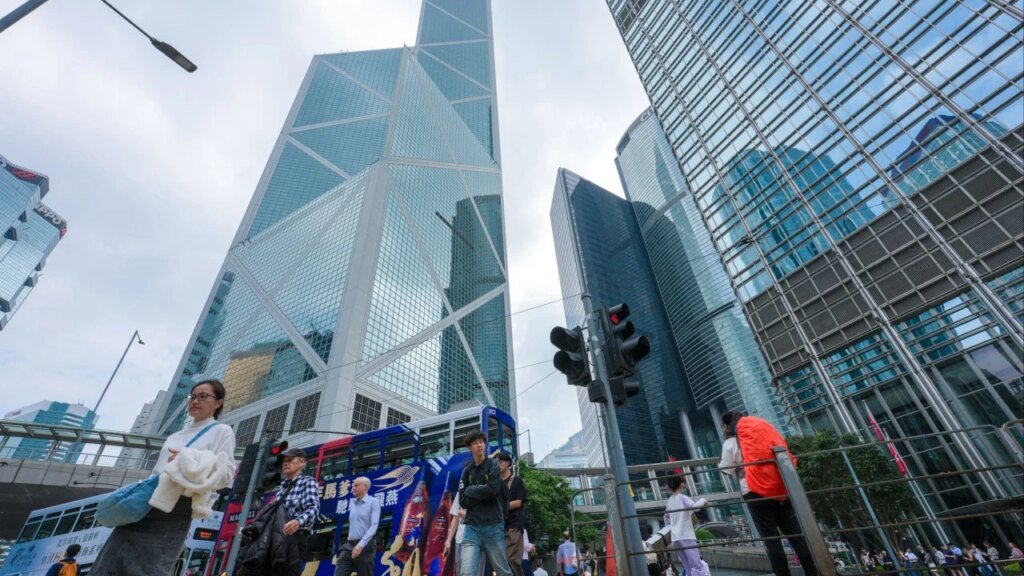
Hong Kong’s unemployment rate in February hit a five-month high of 4.5 per cent, with 157,900 people jobless.
The Post explains the types of financial assistance available from the government.
1. What subsidies can the unemployed receive?
People who qualify for the Temporary Unemployment Relief scheme will receive a one-off payment of HK$10,000 (US$1,280) three to four weeks upon approval. Residents have to meet the requirements set by the government and apply online. The application period will start on March 23 and last for three weeks.
2. Who can apply for temporary unemployment relief?
Applicants must hold a Hong Kong ID card, must have been at least 18 years old on October 1, 2021, and have ordinarily resident status in the city since October 1 until the date of submission of application.
The individual must also have worked in Hong Kong for at least one month between October 1 and December 31 last year, with a total monthly employment income of between HK$2,700 and HK$30,000.
The applicant should have been continuously unemployed for at least 30 days immediately preceding and including the date of application.
Alternatively, an employee will also be eligible even if they have been asked by their employer to temporarily stop work because the workplace is subject to social-distancing restrictions. In this case, the applicant’s last day at work at the premises should be at least 30 days before the application.
Jobless Hongkongers from 13 hard-hit business types to get HK$10,000
Jobless Hongkongers from 13 hard-hit business types to get HK$10,000
The 13 premises that have suspended operations amid the fifth wave are amusement game centres, fitness outlets, public entertainment venues, beauty parlours, karaoke establishments, mahjong-tin kau premises, swimming pools, bathhouses, places of amusement, party rooms, clubs or night clubs, massage establishments and sports facilities.
Tang Shing, a 27-year-old waiter, was laid off twice between October and February and also contracted Covid-19 last month. He said he would apply for the handout as Covid-19 patients like him and other unemployed residents were so poor it was as though they were “waiting for death”.
“People have no way to earn a living due to the strict measures, which will increase the crime rate in the long run,” he said.
Tang said even if he could receive the HK$10,000 subsidy, it would only be enough to cover less than a month’s expenses. On average, he spends HK$16,000 a month including rent and says he has been eating only one meal per day to save money.
3. Who is not qualified for the unemployment handout and why?
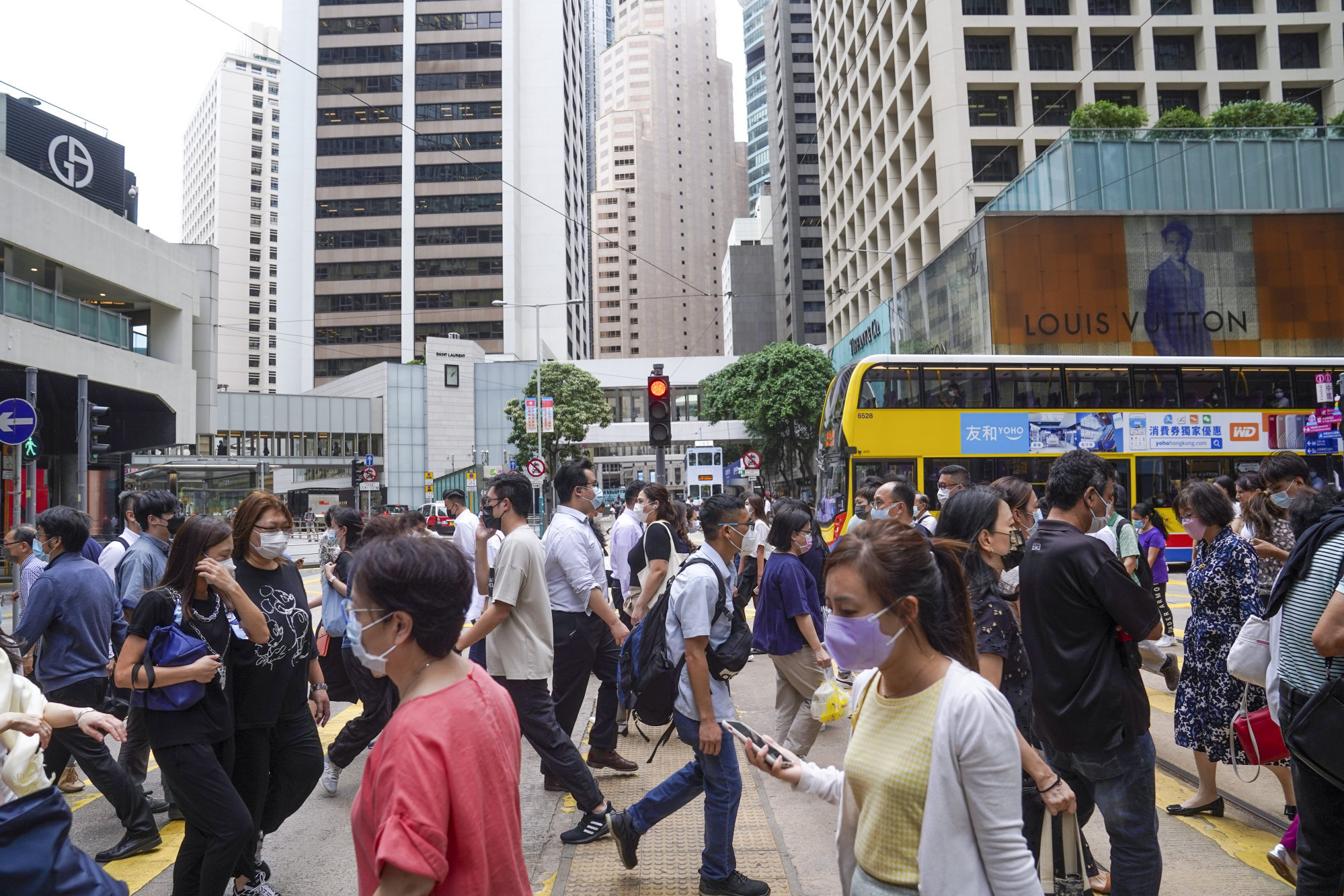
Residents who do not qualify for the subsidy include those who are retired, have quit their jobs on their own accord, who still have one paid job or more on the day of submitting the application and Comprehensive Security Assistance recipients.
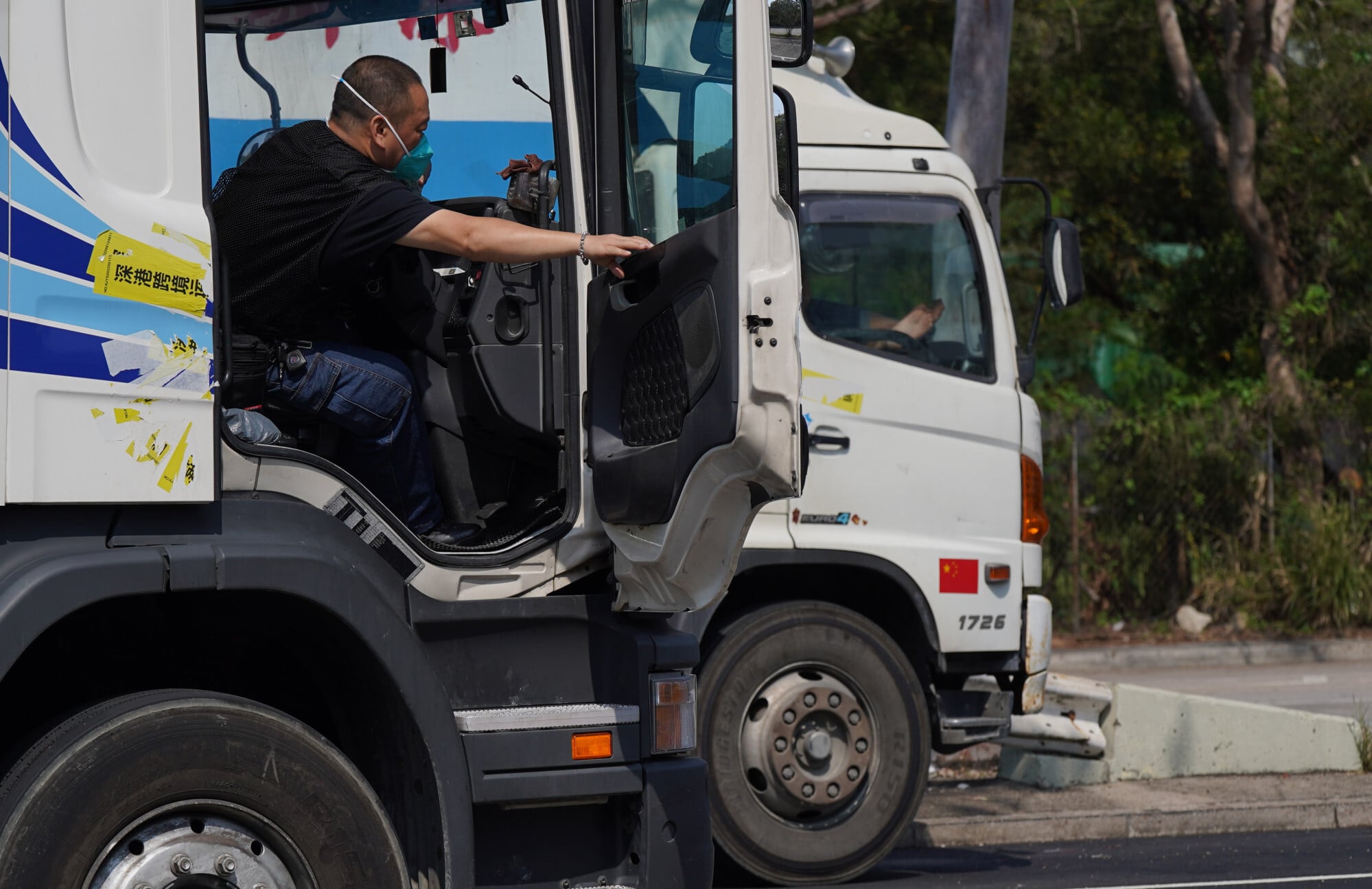
Those who benefited from the sixth round of anti-epidemic funding approved on February 15 are also not eligible. They include sports coaches, special interest class instructors hired by organisations supported by the Social Welfare Department, those in the tourism industry, cross-border truck drivers, private learning tutors, licensed pyrotechnics and special effects operators, school bus service providers and self-employed or freelance film producers.
4. Will residents who take up ‘casual jobs’ in the 30 days before application be ineligible for the relief?
Doris Ho, head of the Policy Innovation and Coordination Office, said cases of people who took on “casual jobs” while they were unemployed would be reviewed in a “lenient manner”.
Ho said she would not draw a strict line on who could be granted the subsidy because the government “[doesn’t] want to take the subsidy away from people just because they earned a couple hundred dollars” during their unemployment period.
“The advice is that they should apply,” she said, adding that applicants could detail particulars of individual circumstances in the self-declaration form.
5. How does the latest Employment Support Scheme work compared with the 2020 version?
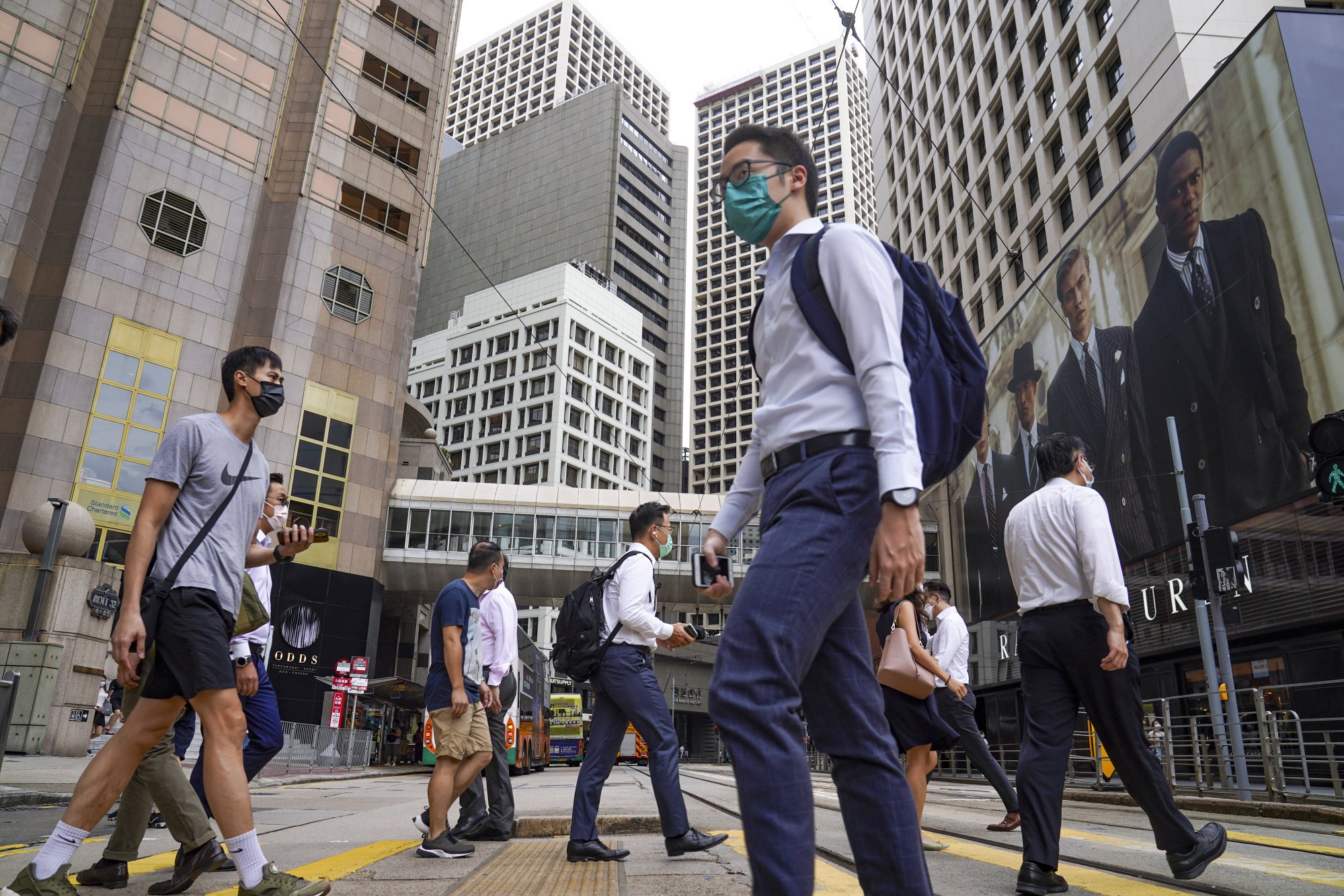
Through the new ESS, the government will give wage subsidies to SMEs affected by the fifth wave. The revised scheme will subsidise up to HK$8,000 per month for each eligible worker for three months between May and July, which is less than the maximum HK$9,000 monthly payout for six months under the previous scheme in 2020.
Employees who make more than HK$30,000 a month will not be eligible for the latest wage subsidy.
City leader Carrie Lam Cheng Yuet-ngor said the government would take a more targeted approach this time and focus on SMEs affected by the fifth wave. Bigger enterprises such as chain supermarkets would be excluded.
Private Hong Kong landlords offer rent relief to tenants hit by Covid-19 closures
Private Hong Kong landlords offer rent relief to tenants hit by Covid-19 closures
Entrepreneurs like Marcus Ko, 38, who has been running a boxing gym in Kwun Tong for four years, will be eligible. Ko said the relief could ease his financial burden and that he planned to apply again after obtaining a HK$50,000 subsidy for six staff in the 2020 scheme.
Ko laid off one of his four employees recently after months of temporary closure. “I would love to ride out difficult times with my staff but I don’t have the ability,” he said.
Lam said applications for the ESS scheme could begin next month, although no fixed date had been set. The revised scheme is expected to cost the government about HK$31 billion, around one-third of the HK$90 billion payout in 2020.
“Employers now know the government will pay for part of their employees’ salaries for May, June and July … Now they know that help is coming, they can take that into account when making plans,” Ho said.