Investors tracking Asia will face thinner liquidity conditions this week, with mainland China, Hong Kong and Singapore operating on curtailed schedules, while US markets also observe a public holiday at the start of the week.
With queries rising over when the Chinese New Year 2026 is and whether trading continues during the festive break, exchange calendars confirm that mainland bourses will remain fully shut for an entire week.
Mainland China Markets Closed For Full Week
According to official exchange calendars, both the Shanghai Stock Exchange (SSE) and the Shenzhen Stock Exchange will suspend trading from Monday, February 16, through Monday, February 23, 2026, for the Chinese New Year 2026 holiday.
Trading is scheduled to resume on Tuesday, February 24, 2026.
The week-long closure marks the most significant annual interruption for the Chinese stock market, coinciding with nationwide festivities known as the Spring Festival.During this period, equities, bonds and derivatives trading on mainland exchanges remain halted, affecting domestic investors and global funds seeking direct China exposure.
Hong Kong To Operate On Shortened Schedule
With mainland China offline, Hong Kong is expected to function as the primary regional venue for China-linked trading activity. However, the Hong Kong Exchanges and Clearing (HKEX) will also operate on a reduced schedule.
HKEX has announced:
- Half-day trading on Monday, February 16 (Lunar New Year’s Eve)
- Full market holidays from Tuesday, February 17, through Thursday, February 19
- Normal trading to resume on Friday, February 20
This shortened window may lead to increased volatility as investors adjust positions ahead of and immediately after the holiday break.
Singapore And US Markets Also Affected
The Singapore Exchange (SGX) has scheduled:
- A half-day session on February 16
- Full market holidays on February 17 and February 18
Meanwhile, US markets will remain closed on Monday due to Presidents’ Day, further contributing to a temporary reduction in global liquidity.
Market analysts say the overlapping closures could lead to thinner trading volumes in Asia-Pacific markets throughout the week.
Why The Lunar New Year Impacts Markets
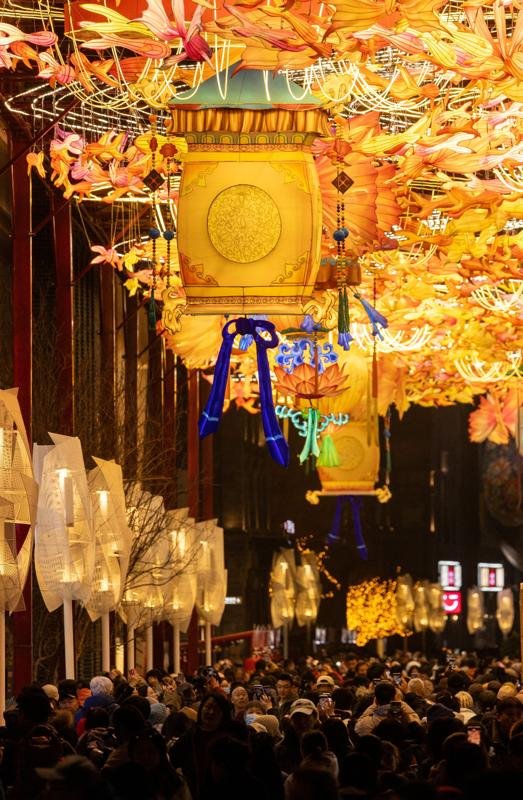
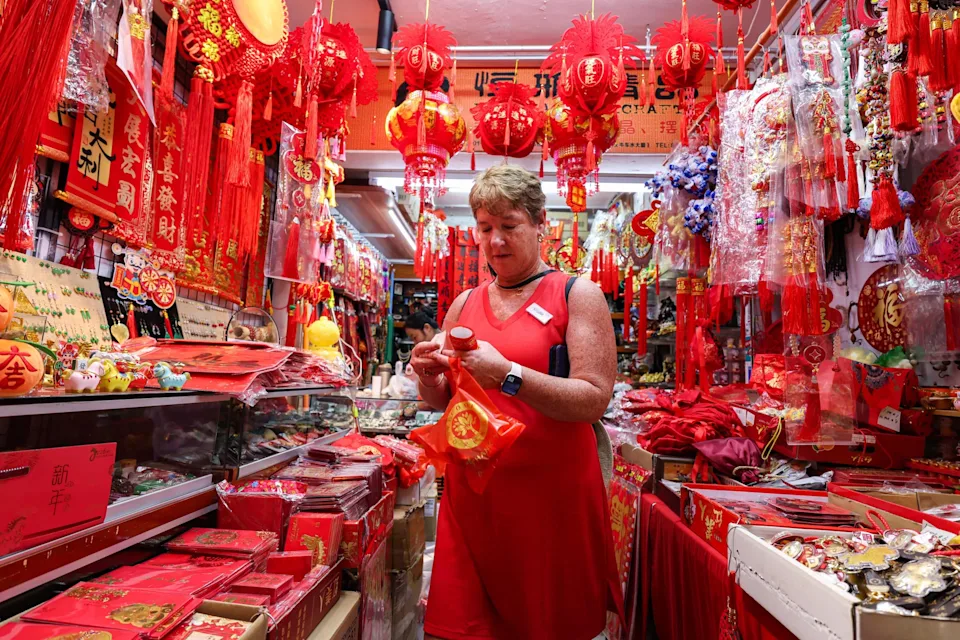
The lunar new year, also widely referred to as the Spring Festival, is China’s most important traditional celebration. It marks the beginning of a new year on the lunar calendar and typically falls between late January and mid-February.
In 2026, the Chinese New Year begins on February 17.
The holiday is characterised by large-scale domestic travel, family reunions, cultural rituals and extended public holidays. To accommodate nationwide celebrations, financial markets, government offices, and many businesses suspend operations for about a week.
Given China’s role as a key driver of global trade, commodities demand and regional investment flows, the shutdown of the Chinese stock market often has ripple effects across Asia and beyond.
Commodity markets, shipping data and currency movements are also closely monitored during this period, as liquidity patterns shift temporarily.
What Investors Should Watch
Analysts note that pre-holiday sessions often see position adjustments, profit-booking and cautious trading ahead of the break.
With mainland exchanges closed, foreign investors seeking China exposure may turn to Hong Kong-listed shares, exchange-traded funds or offshore derivatives.
Post-holiday trading can sometimes see pent-up demand or reactionary moves, depending on global developments that occur during the week-long pause.
Investors are advised to monitor geopolitical developments, commodity prices, and global equity trends while mainland markets remain offline.
FAQs
When is Chinese New Year 2026?
Chinese New Year 2026 begins on February 17.
Will Hong Kong markets remain open during the holiday?
Hong Kong will operate on a shortened schedule, with a half-day on February 16 and full closures from February 17 to February 19. Normal trading resumes on February 20.