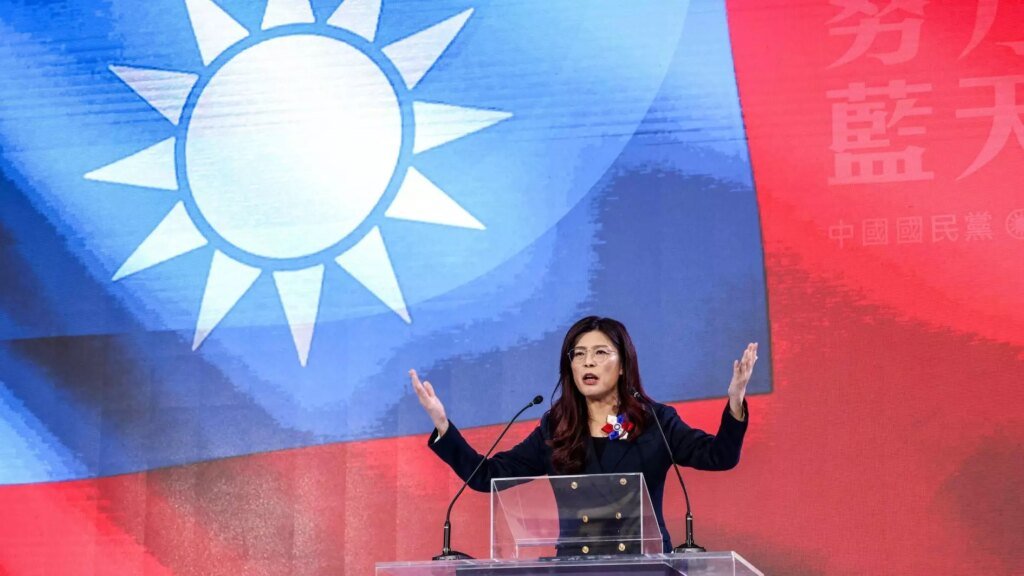
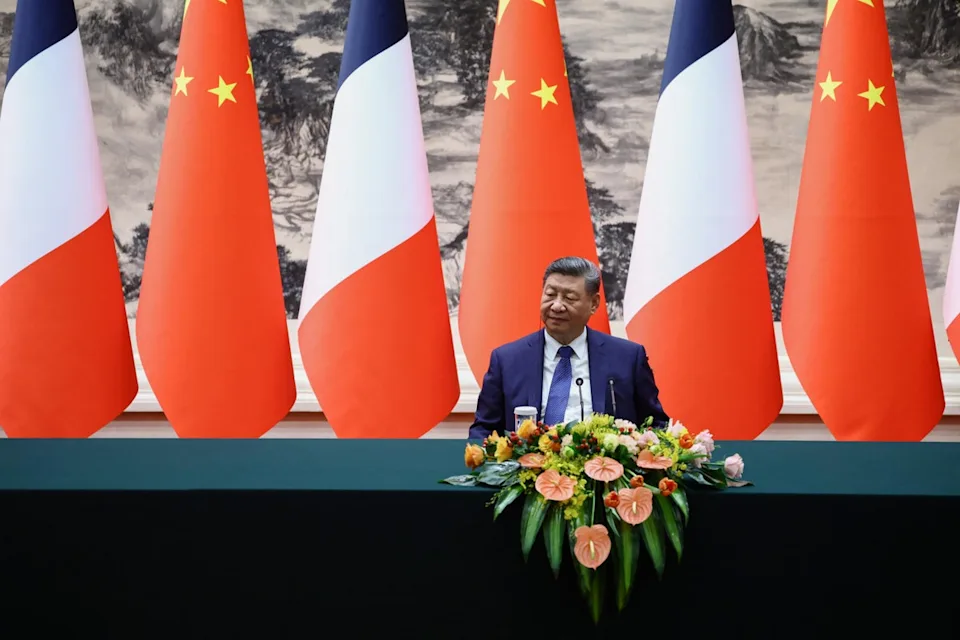
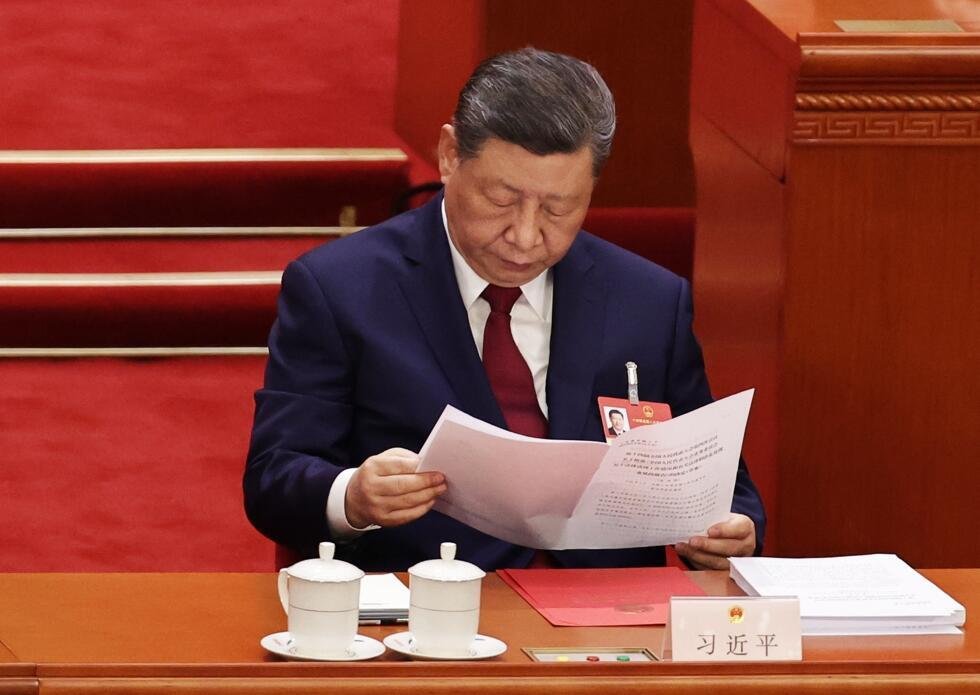
Wang said the fundamental way to resolve navigation issues in the Strait of Hormuz is to achieve a ceasefire as soon as possible, adding that China has always advocated political settlement of hotspot issues through dialogue and negotiation.
The foreign ministers’ call came ahead of a U.N. Security Council vote next week on a Bahraini resolution to protect commercial shipping in and around the Strait of Hormuz.
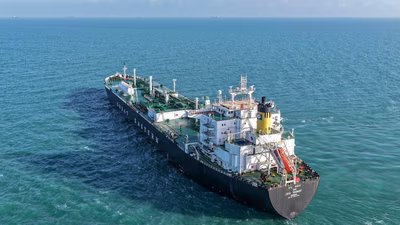
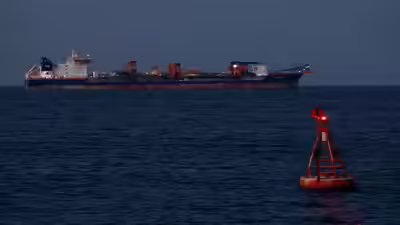
Iran has effectively shut the Strait of Hormuz, which normally carries about a fifth of the world’s total oil trade, in retaliation for U.S.-Israeli attacks that began on February 28.
Recent U.S. intelligence reports warn that Iran is unlikely to open the Strait of Hormuz any time soon because its grip on the world’s most vital oil artery provides the only real leverage it has over the United States, Reuters reported.

The finding suggests that Tehran could continue to throttle the strait to keep energy prices high as a means of pressuring U.S. President Donald Trump to find a quick off-ramp to the nearly five-week-long war that remains unpopular with U.S. voters.
The reports also provide the latest indication that the war, intended to eradicate Iran’s military strength, may actually increase its regional sway by showing Tehran’s ability to threaten the key waterway.Trump has sought to downplay the difficulty of reopening the Strait of Hormuz, which carries a fifth of the world’s oil trade. On Friday, he appeared to suggest that he could order U.S. forces to reopen the passage.
Iran’s out-gunned Islamic Revolutionary Guard Corps has used various tactics to make commercial transit through the waterway too dangerous or uninsurable since Trump and Israeli Prime Minister Benjamin Netanyahu launched their war on February 28.
From attacking civilian vessels and releasing mines to demanding passage fees, Iran has effectively blocked traffic through the strait, sending world oil prices soaring to multi-year highs and causing fuel shortages in countries reliant on Gulf oil and gas.
Rising energy costs risk fueling inflation in the U.S., posing a political liability for Trump as he faces dismal poll numbers and his Republican Party girds for mid-term congressional elections in November.