Published on
March 1, 2026

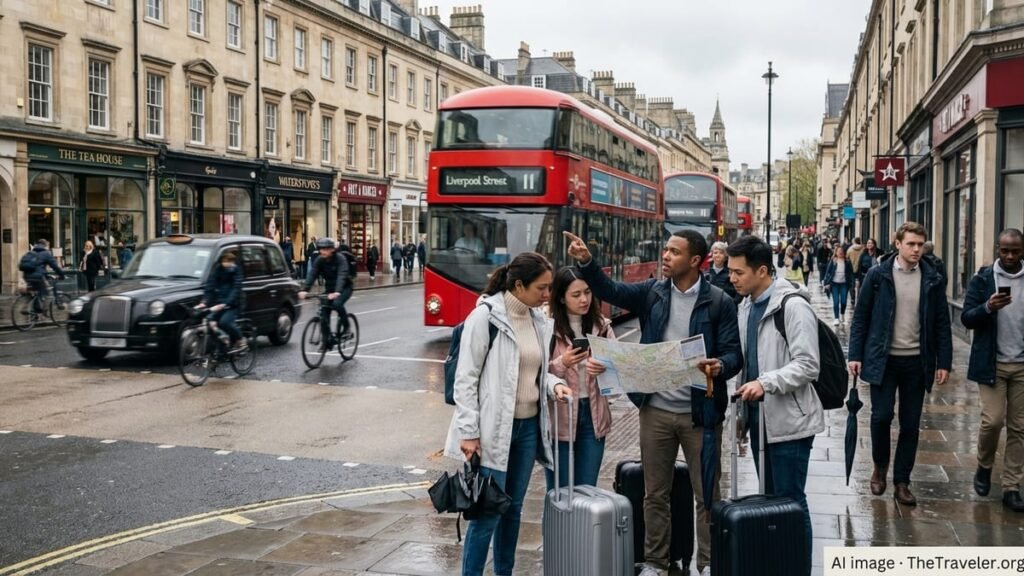
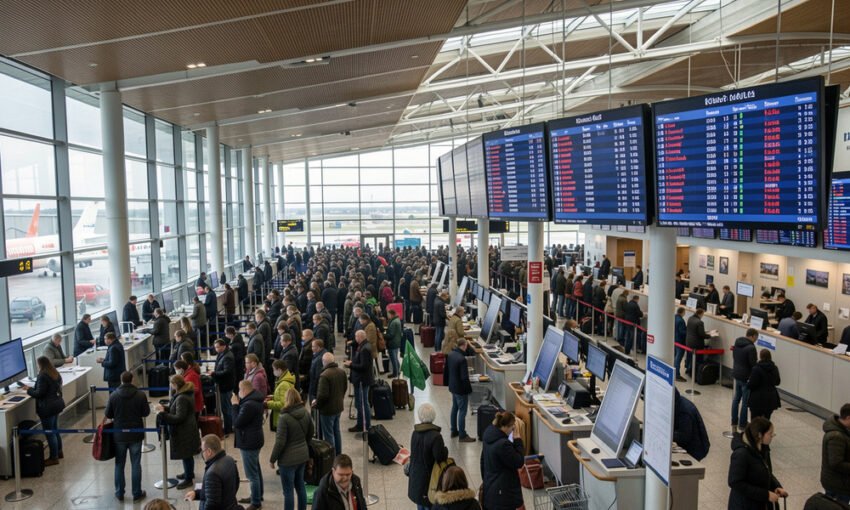
Image generated with Ai
China’s new visa-free policy marks a pivotal moment in its evolving international relations and tourism landscape. Extending visa exemptions to citizens of the United Kingdom and Canada reflects the country’s broader ambitions for openness and cross-border engagement. However, this policy shift is not merely a diplomatic gesture, it represents a strategic move to reposition Hong Kong as a dynamic gateway in China’s travel resurgence.
China’s Growing Visa-Free Access and Global Impact
Over the past two years, China has been systematically expanding its visa-free access for citizens from multiple countries, demonstrating a clear intention to simplify travel and foster stronger global ties. The recent inclusion of the United Kingdom and Canada, following high-level diplomatic visits, adds to a growing list of over 80 countries that now benefit from China’s more open visa policies. Since December 2023, China has offered unilateral visa waivers to numerous European and Asian nations, underscoring the country’s desire to present itself as a welcoming destination for international visitors.
This shift aligns with China’s post-pandemic recovery efforts, where inbound tourism reached impressive levels in 2025. A remarkable 30 million visitors took advantage of visa-free arrangements, contributing to a nearly 50% increase in international arrivals. The numbers speak for themselves: there is a clear resurgence in global interest in China as a destination that combines ancient culture with modern innovation.
Hong Kong’s Role as a Key Connector
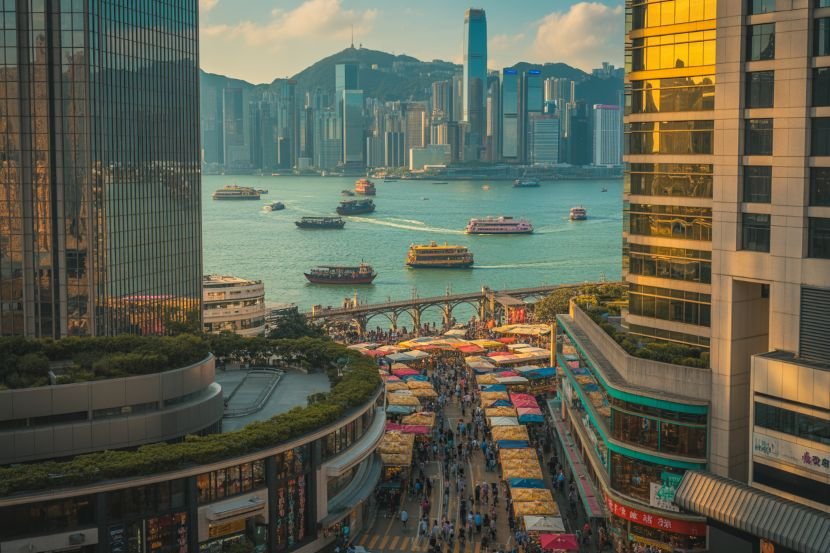
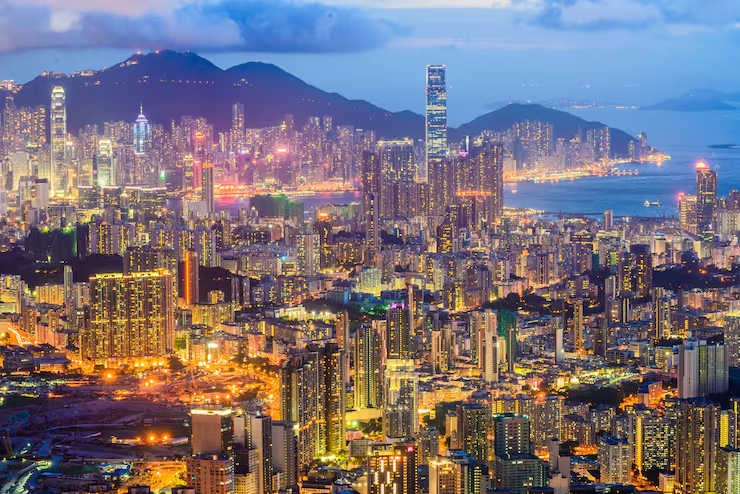
For Hong Kong, this shift presents an invaluable opportunity to reignite its status as a major tourism hub. Operating under the “one country, two systems” framework, the city serves as a critical link between China and the international community. Its unique legal framework, business environment, and deep cultural ties with the mainland position it as an ideal starting point for travelers exploring China.
Advertisement
Advertisement
Hong Kong is well-equipped to leverage its strategic location, established infrastructure, and vibrant cultural scene. To capture the increasing influx of international visitors, the city must promote itself as the natural first stop for travelers seeking to explore China. This could be achieved through innovative marketing campaigns and enhanced collaborations with cities in the Greater Bay Area, including Shenzhen, Zhuhai, and Guangzhou. The Hong Kong-Zhuhai-Macao Bridge and high-speed rail networks offer seamless connectivity, making it easier than ever for travelers to explore both Hong Kong and neighboring cities.
Enhancing Hong Kong’s Position as a Tourism Gateway
To effectively capitalize on the growing demand for travel to China, Hong Kong must position itself as a “superconnector” for international events and cultural exchanges. The city already boasts a mature MICE (Meetings, Incentives, Conferences, and Exhibitions) sector, which could be further utilized to host global forums and business events in collaboration with nearby mainland cities. By building on its strengths as a cultural and culinary destination, Hong Kong can appeal to travelers seeking both luxury and authenticity.
Advertisement
Advertisement
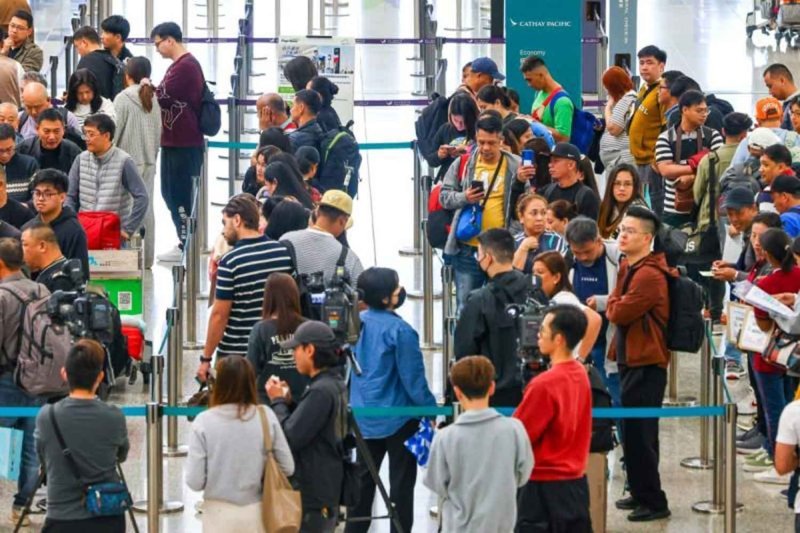
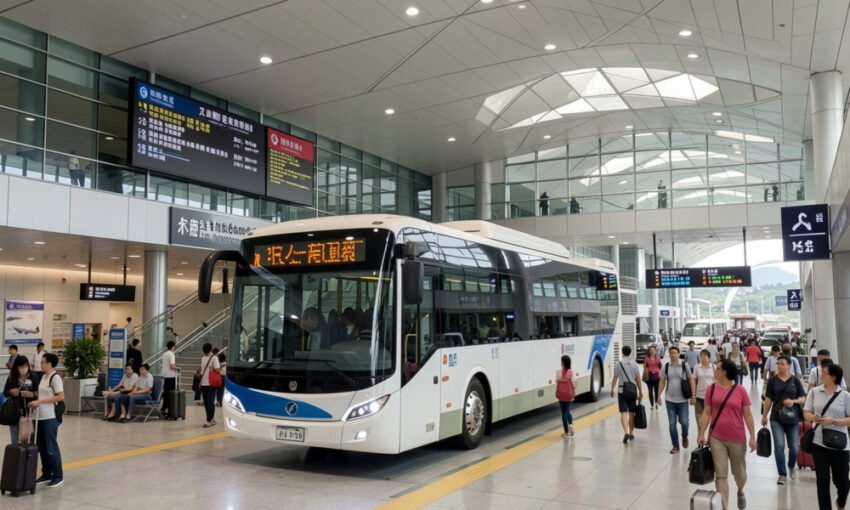
Additionally, Hong Kong International Airport (HKIA), one of the busiest transit hubs in the world, presents an untapped opportunity to convert stopover passengers into tourists. With millions of travelers passing through HKIA annually, creating attractive stopover packages and offering short-stay experiences could be key in drawing more visitors into the city. These efforts could transform a brief stopover into an unforgettable exploration of Hong Kong, enticing travelers to return for a longer visit in the future.
The Global Impact of Open Travel
China’s growing network of visa-free countries aligns with its broader goal of fostering mutual understanding and cooperation. As more international travelers experience China firsthand, they become informal ambassadors of the country, sharing their positive experiences and dispelling misconceptions. This exchange of ideas and experiences is essential in combatting outdated perceptions of China that are often shaped by limited or biased narratives. Personal encounters with China’s vibrant culture, bustling cities, and warm people provide a powerful counter-narrative, fostering deeper global engagement.
Advertisement
Advertisement
For Hong Kong, this new wave of travelers offers the chance to redefine its role on the global stage. By aligning its tourism strategy with China’s larger vision for openness, Hong Kong can play a central part in this new era of travel. The city’s appeal lies not just in its ability to offer visitors a window into China’s dynamic growth, but in its position as a bridge between cultures, offering the perfect introduction to the mainland and a gateway to the rest of Asia.
Strategic Coordination for Long-Term Success
To harness the full potential of this new tourism landscape, Hong Kong must coordinate efforts across various sectors, from government policy to private enterprise. Effective collaboration between tourism authorities, local businesses, and mainland cities will be crucial in creating seamless travel experiences for international visitors. Hong Kong’s ability to capitalize on its unique status as a cultural and logistical connector will determine how well it can position itself as a premier global travel destination.
Through this alignment, Hong Kong can not only boost its tourism economy but also contribute to China’s broader diplomatic and cultural outreach efforts. As the world turns its gaze toward China’s modern resurgence, Hong Kong stands poised to reclaim its role as the gateway to one of the world’s most dynamic and welcoming countries.
Conclusion
China’s visa-free policy represents a powerful opportunity for Hong Kong to reinvent itself as a global tourism hub. With a strategic focus on connectivity, cultural exchange, and targeted marketing, Hong Kong can leverage its unique position to capture the growing wave of international visitors eager to explore China. By positioning itself as the starting point for travelers’ journeys in China, Hong Kong can help shape the future of global tourism and contribute to deeper, more meaningful cross-cultural engagement.