5 View gallery
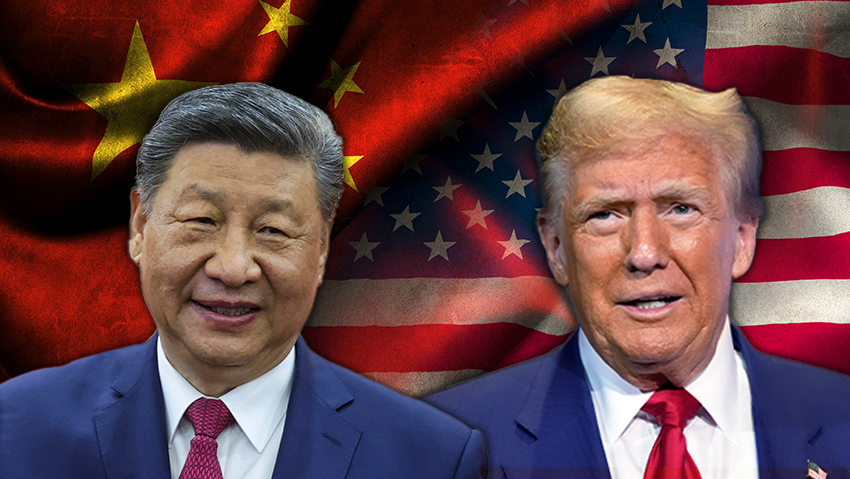
Trump and Xi Jinping. The US president is pressing Beijing to use its influence over Tehran
(Photo: shutterstock’ AFP / JOHN HAMILTON / US DEPARTMENT OF DEFENSE, AP PhotoAlex Brandon8)
In comments released as part of a summary of his meeting with UAE President Mohammed bin Zayed, Xi did not directly mention Trump or the United States, but said international law cannot be applied selectively or ignored when it is inconvenient. The remark was widely seen as a pointed reference to Trump, who earlier this year said he does not need international law and would decide when it applies.
During the war, Trump called on several countries, including China, to send naval forces to help reopen the Strait of Hormuz, a strategic route through which about a fifth of global oil consumption passes and which Iran had blocked as economic leverage. China ignored the call to act against its ally Iran and, unlike many affected countries, continued importing oil as Iranian “shadow fleet” tankers — used for years to evade U.S. sanctions — kept transiting the strait. According to the BBC, more than 58 million barrels of oil have left Iran’s Kharg Island since March 1, most of it bound for China.
Trump announced the naval blockade after Iran continued restricting traffic in Hormuz even following a temporary ceasefire. The blockade applies only to Iranian ports, and the United States has also said it would work to clear mines Iran placed in the strait. Still, Iran could target vessels using drones, cruise missiles and fast boats, and without an agreement, shipping is unlikely to fully normalize.
The blockade is widely seen as an attempt to pressure China to use its leverage over Tehran. China’s energy sector is highly diversified and largely domestically supplied, allowing it to avoid major economic damage so far despite rising global oil prices. It also maintains strategic reserves estimated to cover at least 100 days.
U.S. Navy warns over radio not to breach Iran blockade, says vessels could be seized


However, the war’s effects are increasingly being felt in China. Fuel prices have risen, airlines have increased fares due to higher jet fuel costs, and transportation prices have climbed about 10%. Bloomberg reported last week that China has already allowed refineries to tap strategic reserves due to the prolonged conflict.
Oil accounts for about 18% of China’s energy consumption, and the closure of Hormuz has already had an impact. Roughly half of China’s imported oil and about one-sixth of its imported natural gas come from Gulf states. Iranian oil makes up about 13% of China’s imports, but a strictly enforced U.S. blockade could still hurt China’s economy, especially if prolonged.
“With more Chinese interests at stake, the US may be able to get China more involved in pushing Iran toward a negotiated solution,” Yun Sun, director of the China program at the Stimson Center in Washington, told CNN. “China will resort to diplomatic pressure, including bilateral and multilateral to push for the speedy lifting of the blockade.”
5 View gallery
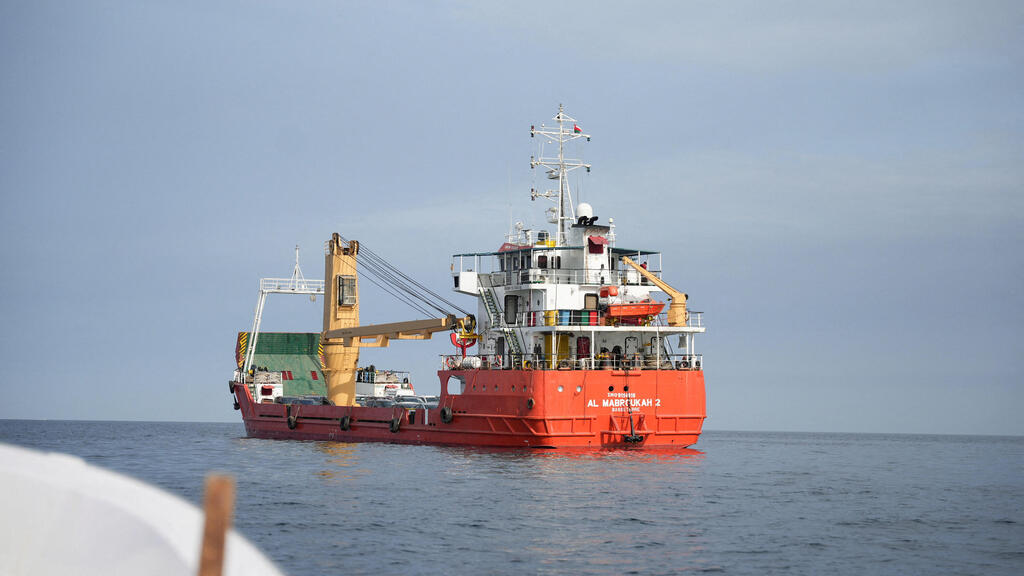
Ships in the Strait of Hormuz this week, off Oman’s Musandam coast. Iran claims it has broken the blockade, though the assertion remains unverified
(Photo: Reuters)
There are signs the pressure may already be having an effect. China said its foreign minister, Wang Yi, spoke with his Iranian counterpart Abbas Araghchi and urged him to ensure freedom of navigation in Hormuz. According to China’s state news agency Xinhua, Wang called for safeguarding Iran’s sovereignty while also ensuring the safety and freedom of international shipping. Araghchi, in turn, expressed appreciation for China’s efforts to ease tensions and said Tehran expects Beijing to play a positive role in promoting peace and ending the war.
China has reportedly been involved in efforts to secure the temporary ceasefire. Pakistani officials told The Guardian last week that Beijing played a “significant role” in last-minute talks that led to the truce, just before Trump’s deadline and threats to strike Iranian infrastructure. According to the report, China encouraged Iran to accept the ceasefire and offered guarantees for the safety of its representatives in talks held in Islamabad. While the report was not independently confirmed, Trump himself has said China played a central role in persuading Tehran.
5 View gallery
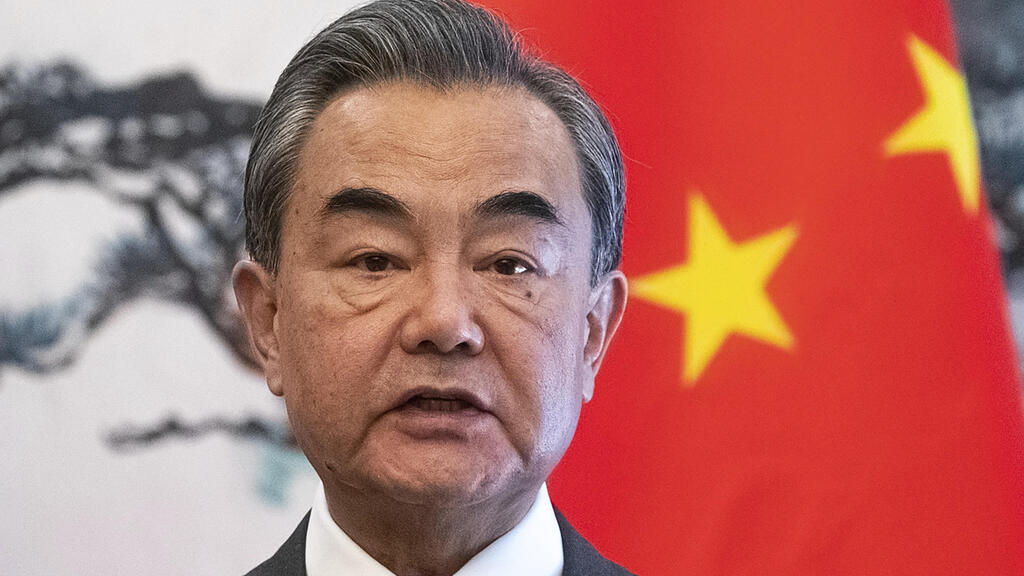
Foreign Minister Wang Yi, who spoke with his Iranian counterpart Araghchi, calls for ensuring freedom of navigation in the Strait of Hormuz
(Photo: Roman Pilipey/Pool Photo via AP, File)
Trump’s decision to impose the blockade has angered Beijing and appears at odds with his recent efforts to stabilize relations ahead of a planned visit to China next month. The trip, now scheduled for May 14-15 after being delayed by the war, would be the first visit by a U.S. president to China since Trump’s first term in 2017. According to The New York Times, Trump hopes to finalize a trade deal during the visit, with Treasury Secretary Scott Bessent already outlining potential economic initiatives with Chinese counterparts.
5 View gallery
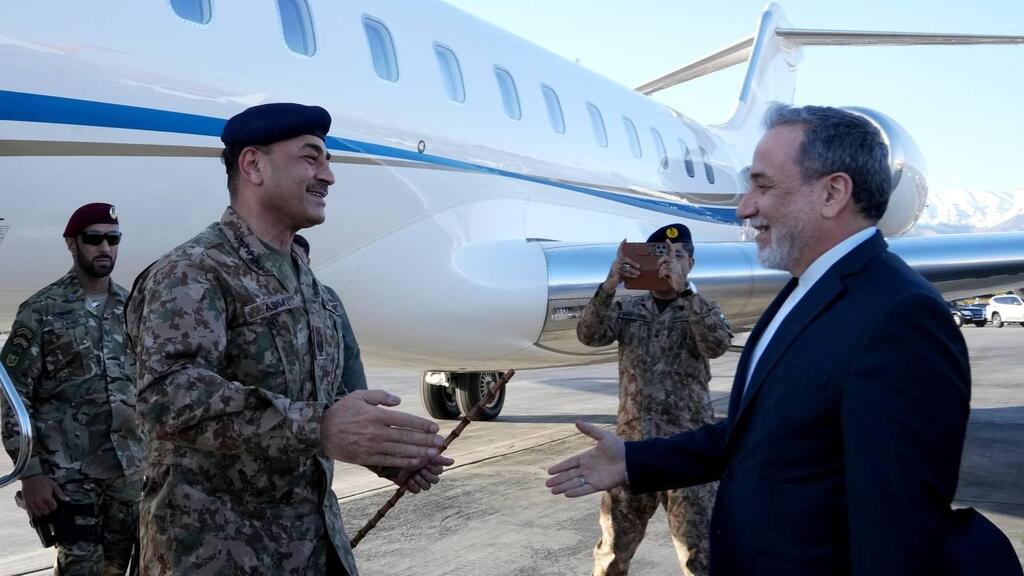
Foreign Minister Araghchi and Pakistan’s army chief Asim Munir in Tehran; Munir plays a key role in efforts to end the war
Analysts say both sides currently have an interest in maintaining a degree of détente after last year’s trade tensions. Kurt Campbell, a former deputy secretary of state in the Biden administration and now chairman of The Asia Group, told The New York Times that Trump has created a situation in which two of his central objectives clash — controlling cargo through the strait, including Chinese shipments, while also seeking a smooth and positive visit to Beijing.
Reports that U.S. intelligence warned China may be preparing — or has already sent — shoulder-fired air defense missiles to Iran have also threatened that détente, though Beijing has firmly denied the claims. Trump has threatened to impose 50% tariffs on China if it supplies weapons to Iran, but said in an interview with Fox News that Xi had sent him a “beautiful letter” pledging not to do so.
In a post on Truth Social, Trump repeated his claim that China had agreed not to supply weapons to Iran and said Beijing would benefit from U.S. efforts to reopen the Strait of Hormuz. He added that he expects a warm reception from Xi during his upcoming visit and emphasized that while cooperation is preferable, the United States remains ready for conflict if needed.
5 View gallery
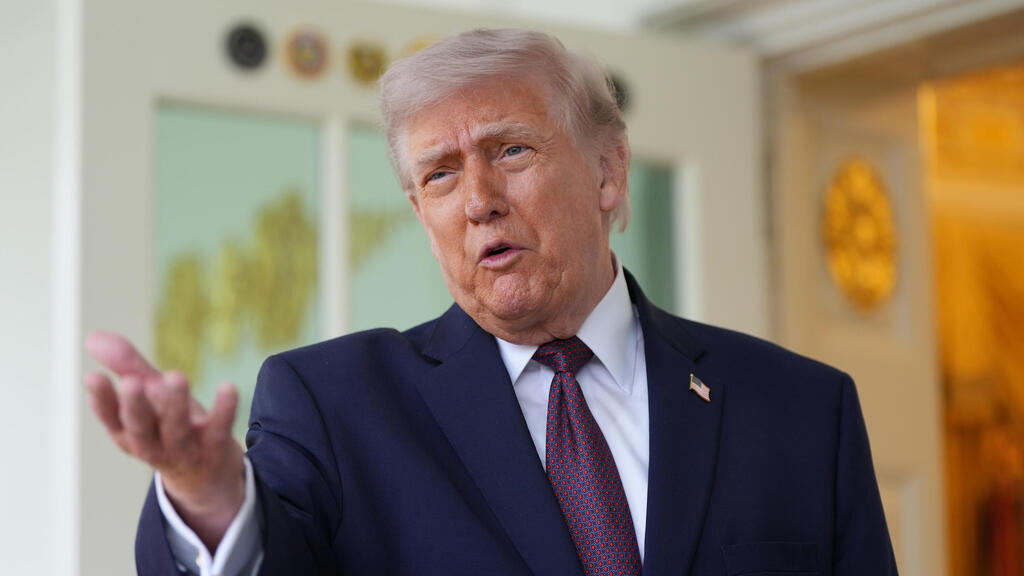
Trump says Xi pledged not to send weapons to Iran and expects a warm welcome during his China visit
(Photo: AP Photo/Alex Brandon)
Beyond U.S. pressure, China has a clear interest in preventing a renewed escalation. Iranian attacks on Gulf states threaten Chinese-built infrastructure across the region. A recent analysis by the University of Virginia estimated that assets worth $6.5 billion — including ports, power plants, desalination facilities and refineries in Qatar, Oman, the UAE, Saudi Arabia, Israel and Iran — have been damaged or are at risk.
Since Trump’s return to the White House and the disruption he has caused in global order and U.S. alliances, China has sought to project itself as a stable global power. As part of that effort, Xi this week met with Spanish Prime Minister Pedro Sánchez, UAE President Mohammed bin Zayed, Russian Foreign Minister Sergey Lavrov and Vietnamese leader To Lam.
Sánchez, a prominent critic of Israel whose stance has drawn Trump’s ire, praised Xi, saying China is among the few global actors capable of playing a central diplomatic role in ending the war in Iran.