
Chinese authorities have told domestic companies to stop using cybersecurity software from a number of U.S. and Israeli firms, including Palo Alto Networks and Check Point, citing national security concerns, Reuters reported on Wednesday.
The notice, which sources familiar with the matter said was issued in recent days, is part of Beijing’s broader push to replace Western technology with domestic alternatives as tensions with Washington intensify over trade and technology supremacy.

Among the U.S. companies affected are Broadcom-owned VMware, Palo Alto Networks, and Fortinet. Israeli firms include Check Point, Reuters reported. The sources, who spoke anonymously due to the sensitivity of the issue, said Chinese regulators were concerned that foreign software could collect and transmit confidential information abroad. Reuters was unable to confirm how many Chinese companies received the directive.
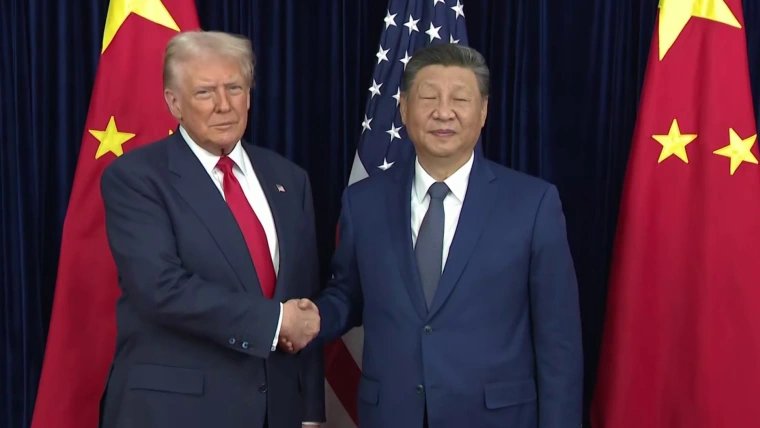
The move comes as the United States and China prepare for a visit by President Donald Trump to Beijing in April, underscoring the political and economic stakes tied to foreign technology in China. Analysts note that Western cybersecurity tools, which often have broad access to corporate networks and devices, can be perceived as potential vectors for espionage or sabotage.
Several of the affected companies have built a substantial presence in China. Fortinet operates three offices on the mainland and one in Hong Kong, while Palo Alto Networks has five, including one in Macau. Check Point lists offices in Shanghai and Hong Kong, and Broadcom maintains six locations in the country.
The ban marks another episode in a long-standing effort by Beijing to reduce foreign influence in critical technology sectors, including semiconductors, artificial intelligence, and cybersecurity. The Chinese government’s largest domestic cybersecurity providers include 360 Security Technology and Neusoft.
Reuters also noted that the affected companies have previously accused China-linked actors of cyberattacks. Last month, Check Point reported a hacking operation allegedly tied to Chinese sources targeting a European government office. In September, Palo Alto Networks documented a separate campaign aimed at diplomats worldwide. China has denied such allegations.














![The US Commerce Department on Tuesday opened the door for Nvidia to sell advanced artificial intelligence chips in China with restrictions [File]](https://charm-retirement.com/wp-content/uploads/2026/01/1768363621_1x1_spacer.png)
