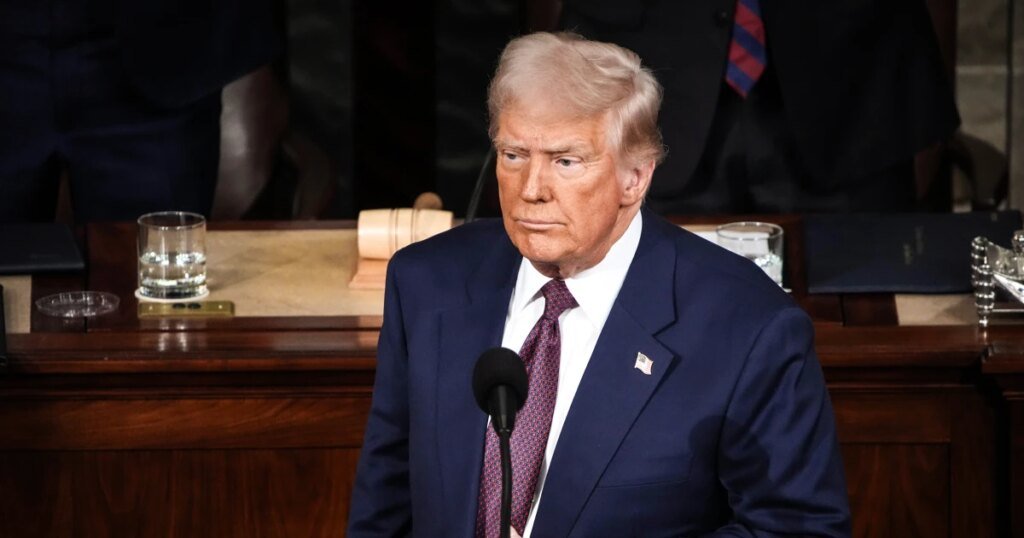
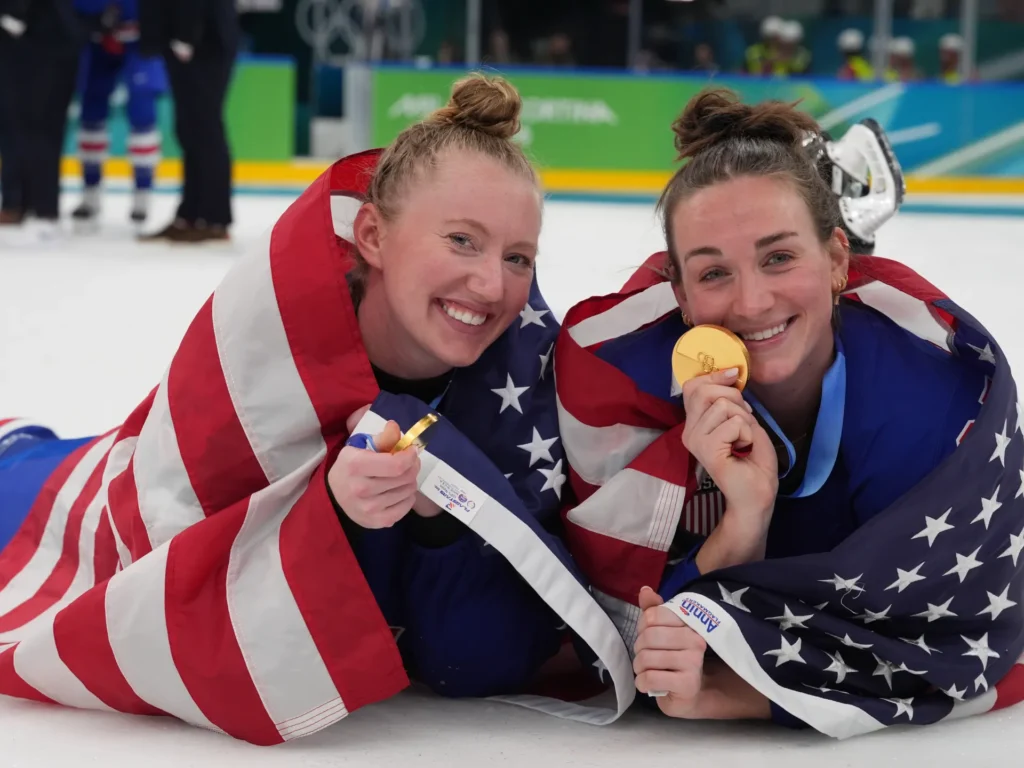
In the midst of what could be looked at as the most dishonest, polarizing and combative administration in United States history, more and more people feel powerless in the face of the total lack of accountability of our supposed “public servants.” Justice used to be a guaranteed truth, but it has become a distant fantasy. This has forced people to look for other means of hope outside the one in Washington D.C., including industries with direct ties to the administration, like the American film industry, also known as Hollywood.
Since the 1970s, the cultural expectation for celebrities has been to push against government injustice, which is congruent with the mission of art as a concept. Punk music would inform the listeners about war crimes, and action films could ironically pose as warnings against the moral corruption of violence. Hollywood, while being a distributor of impactful art, can easily water it down just as much as it can hoist it.
This means that art can exist without Hollywood, but the inverse could not be true. Hollywood is a business, and celebrities are willing to be as transactional as they want regarding their fans.
Let’s take a look at the celebrities who recently crafted complicated and underinformed cryptocurrency schemes into consideration, like Logan Paul or Richard Karn. Cryptozoo – Paul’s side business – notoriously bankrupted many of its users while he continued to peddle the “I grinded so you don’t have to” mentality of making money.
Celebrities are always looking for their next grift, so it is natural that when the recent influx of celebrities denounced President Donald Trump – most notably Billie Eilish and Mark Ruffalo’s coalition for their recent Artists4Ceasefire campaign – the general public questioned whether they were doing it for virtuous reasons. Eilish, specifically, underwent a controversy involving an indigenous tribe criticizing her recent comments during the Grammy Awards, when she claimed that “nobody’s illegal on stolen ground.” The problem with blanket statements like that one is that, while they might be ethically well-intentioned, they will inevitably lead to others calling out hypocrisy. This specific example drew criticism from the Tongva tribe, who claimed that Eilish’s $20 million dollar mansion resides on top of former Tongva territory. This situation is similar to when outspoken celebrities criticized climate change inaction while pumping carbon into the atmosphere, like Taylor Swift or Leonardo DiCaprio.
Ironically, celebrities have also utilized their positions to gain political favor in the past. When the line between a celebrity’s influence and a politician’s influence could be blurred to the degree that celebrities start running for office, it reframes how impactful a celebrity’s influence really is.
Fortunately, it is not a celebrity’s job to educate the public about current events, nor is it their job to guide the public. Even though they have the influence to make an impact through social channels and the average citizen could probably name more actors and musicians than senators and lawmakers, politicians thankfully have more sway in Congress. These are artists, and it is well within their rights to be as outspoken as they so choose to be, but they should not feel betrayed when obvious hypocrisy is shown.