Published on
March 13, 2026

Image generated with Ai
Egypt has raised its visa-on-arrival fee from $25 to $30 for a 30-day single-entry permit, effective March 1, 2026, as part of efforts to bolster revenue for airport infrastructure upgrades and security enhancements amid surging tourism numbers. While the $5 increment appears modest, it carries notable implications for tourists and businesses, potentially inflating costs for group tours, corporate travel, and packaged holidays where visas are handled in bulk, and prompting many to opt for the unchanged $25 e-visa option for greater convenience and predictability. This adjustment particularly affects key source markets, including the United States, United Kingdom, Canada, and Brazil, where growing post-pandemic interest in Egypt’s archaeological wonders—such as the Pyramids of Giza and Luxor temples—has driven visitor recovery, though the hike could introduce minor budgeting hurdles or deter budget-conscious or last-minute travelers in these regions.
Egypt Increases Visa-on-Arrival Fee for International Travelers: What It Means for Tourists and Businesses
In a significant development for international travelers heading to Egypt, the Ministry of Tourism has raised the cost of the 30-day visa-on-arrival from USD 25 to USD 30, effective March 1, 2026. This adjustment has sparked discussions about the potential impacts on key international markets, including major travel sources such as Brazil, the United States, Canada, and the United Kingdom. While the change might seem nominal, experts argue that it will likely have broader consequences, particularly for travelers in large groups and business sectors relying on streamlined travel arrangements.
A Modest Hike with Big Implications
While the USD 5 increase may appear modest at first glance, travel professionals note that this additional cost could have a ripple effect on group tours and packaged holidays. Many large travel groups, including those arriving through major tourist hubs like Cairo or Hurghada airports, typically purchase visas in bulk. For these travelers, the increase could significantly impact overall package pricing, making it an issue for tour operators and group organizers.
Advertisement
Advertisement
For instance, a 40-person incentive group might face an additional cost of up to USD 200. This is a notable concern for organizations that manage corporate travel, especially those operating in industries with frequent trips to Egypt, such as energy, consulting, and agribusiness. Travel managers are being urged to revise budgeting strategies and ensure that per-diem rates and cash-advance systems reflect the updated visa fees to prevent any confusion or financial strain for employees once they arrive.
Increased Demand and Tourism Trends from Brazil
Brazil is one of the countries expected to be affected by the fee increase, particularly as tourism to Egypt from this market has surged in recent years. Brazilian tourists have been increasingly drawn to Egypt’s rich archaeological heritage, with many seeking to visit the country’s famous landmarks such as the Great Pyramids of Giza and the temples of Luxor. Flight connectivity through key transit hubs like Istanbul and Dubai has further fueled the demand for Egyptian tourism, contributing to a post-pandemic recovery in the number of Brazilian visitors.
Advertisement
Advertisement
The visa price hike may slightly dampen this momentum, though, with travel experts suggesting that it could deter some potential visitors from Brazil, particularly those booking last-minute trips or on a tight budget. As the number of Brazilian tourists to Egypt is recovering to around 80% of pre-pandemic levels, the price increase could prove to be a small but noticeable obstacle for some travelers.
A Shift Toward E-Visa for Convenience and Cost Efficiency
For frequent travelers to Egypt, such as employees of multinational companies based in Brazil, switching to Egypt’s e-visa platform may become a more appealing option. The e-visa, which remains at USD 25, can be applied for online and billed centrally, which could streamline the visa process for corporate travelers and save both time and money. The e-visa also offers the advantage of allowing travelers to complete the process in advance, eliminating the need to pay cash at the airport and potentially avoiding long lines at manual counters.
Advertisement
Advertisement
For businesses, this option represents a more predictable and efficient approach to handling visa expenses for employees traveling to Egypt. However, corporate-mobility managers will need to review their travel policies to ensure they account for these changes. Employees should also be informed about the differences between the visa-on-arrival and e-visa options, so they can make informed decisions and avoid any confusion upon arrival.
The Role of Third-Party Facilitators
For travelers, particularly from Brazil, working with third-party visa facilitation services such as VisaHQ might be the most convenient way to navigate Egypt’s visa process. These services allow applicants to complete Egypt’s e-visa forms online in their native language, pay for the visa in local currency, and track the status of their application in real time. This added convenience can help mitigate the inconvenience of paying in cash at the airport and simplify the entire visa process.
By using a third-party service, Brazilian travelers can avoid unexpected costs and minimize the risk of delays or mistakes in the visa application process. In addition, these services often provide an option to track every step of the approval process, offering added peace of mind.
Investment in Airport Infrastructure and Security Measures
From the Egyptian government’s perspective, the visa fee increase is a necessary step to fund upgrades to airport infrastructure and security measures. With the high season approaching, Egyptian officials are focused on improving passenger services to handle the expected influx of travelers. The revenues from the visa increase will be directed toward installing biometric-entry gates at Cairo International Airport and Sharm el-Sheikh, both of which are critical hubs for international arrivals.
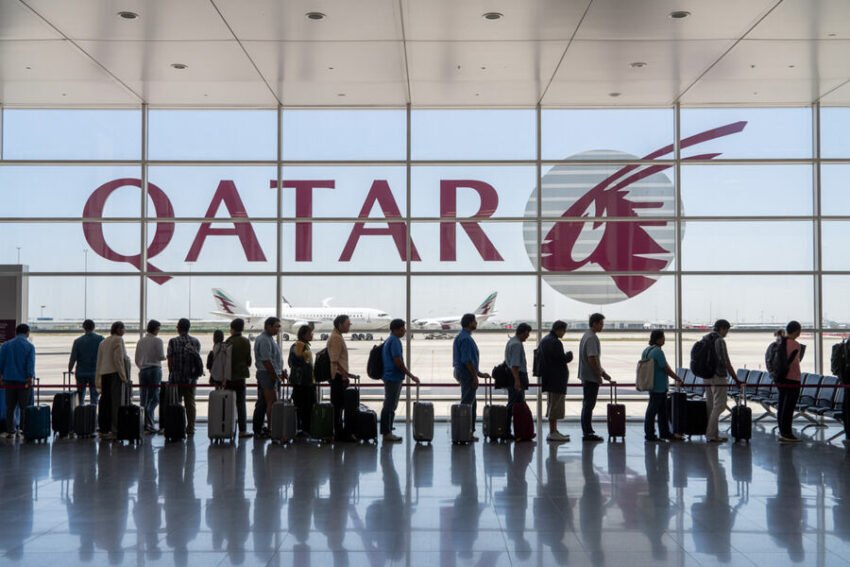
These improvements are aimed at enhancing efficiency and security, ensuring a smoother experience for passengers in the long run. However, the new systems may lead to longer processing times initially as passengers get accustomed to the new procedures. Travel insurers and tour operators are already warning travelers that queue times at visa payment counters might increase, particularly during high-demand periods such as Easter and the peak travel season in July.
Preparing for the Changes
As the new visa policies take effect, travelers from Brazil and other countries are encouraged to plan ahead and verify whether their tour operators have included the updated visa fee in the price of their travel packages. Some tourists may find that they need to pay the visa fee on arrival, either by cash or card, depending on their package and the terms of their travel arrangements.
For companies arranging last-minute trips for employees, it is advisable to account for potential delays at immigration counters due to the implementation of the new system. Adding extra time for immigration processing could help mitigate the impact of any queues at visa-on-arrival counters, allowing travelers to proceed with minimal disruptions to their schedules.
Egypt’s decision to increase the visa-on-arrival fee reflects both the country’s growing demand for tourism and the need for continued investment in airport infrastructure and security measures. While the USD 5 increase may seem like a small change, it could have significant implications for travelers, particularly those in large groups or corporate sectors. To minimize any disruptions, travelers are encouraged to explore the e-visa option, use third-party facilitators, and stay informed about changes to their travel policies. By planning ahead and staying prepared for potential delays at immigration, tourists can ensure a smooth and enjoyable visit to Egypt’s historical and cultural landmarks.