Dementia is a growing global concern, affecting millions of individuals and their caregivers. With projections indicating that dementia cases will triple by 2050, the World Health Organization (WHO) has issued comprehensive guidelines emphasising the link between heart health and brain health.
These recommendations focus on lifestyle changes that can significantly lower the risk of cognitive decline and dementia, including Alzheimer’s disease and vascular dementia, reports Harvard Health Publishing.
Lifestyle changes to reduce dementia risk

According to the WHO, adopting key protective health habits can help prevent or slow cognitive decline. The guidelines highlight the following lifestyle modifications:
Regular physical activity: Engaging in at least 150 minutes of exercise per week can significantly reduce the risk of dementia. Research shows that individuals who maintain an active lifestyle are less likely to develop Alzheimer’s or other forms of dementia, even if they have mild cognitive impairment.
Adopting a plant-based diet: A diet rich in fruits, vegetables, whole grains, healthy fats, and seafood has been associated with a lower risk of cognitive decline. The WHO particularly recommends the Mediterranean-style diet while advising against the consumption of processed grains, added sugars, sodium, and saturated fats.
Avoiding unhealthy foods: Processed foods containing white flour, high sugar levels, and unhealthy fats contribute to inflammation, which can damage blood vessels in the brain. The WHO also discourages the use of vitamin or supplement intake for brain health, as there is no conclusive evidence supporting their effectiveness.
Quitting smoking and limiting alcohol consumption: Both habits have been linked to an increased risk of cognitive decline. Individuals with existing cognitive concerns are advised to minimize alcohol intake and stop smoking to preserve brain health.
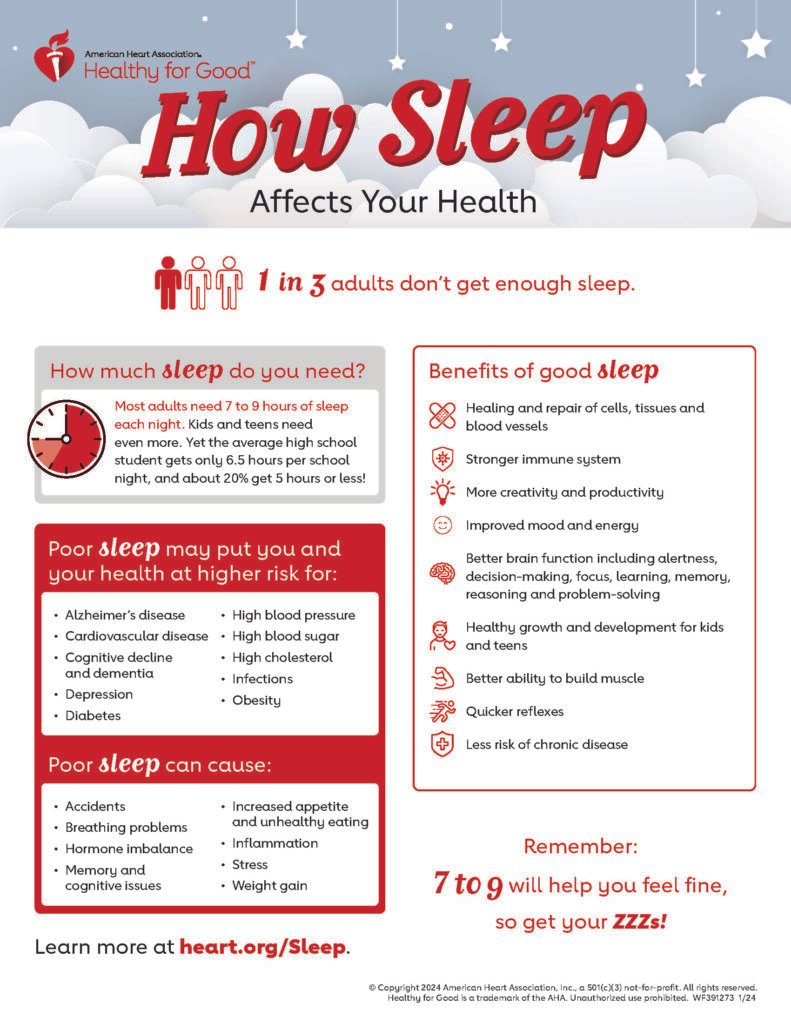
Additional lifestyle factors that may help include maintaining positive relationships, staying socially engaged, and ensuring adequate sleep.
The link between heart health and cognitive function
The WHO’s new guidelines underscore the connection between heart health and brain function. Research indicates that conditions that damage the arteries of the heart—such as high blood pressure, high cholesterol, diabetes, and obesity—also impact the brain’s blood vessels. This can lead to reduced blood flow and oxygen delivery to brain cells, increasing the risk of vascular dementia and Alzheimer’s disease.
Emerging studies reveal that Alzheimer’s patients often experience diminished brain blood flow, which may hinder the clearance of harmful proteins associated with the disease. Maintaining good cardiovascular health through exercise and proper nutrition may thus enhance brain blood circulation and reduce the likelihood of dementia.
For individuals with a family history of dementia or mild cognitive impairment, the WHO’s recommendations offer hope. By embracing a heart-healthy lifestyle, they can lower their risk of developing dementia.
The key takeaways from the WHO guidelines are:
- Engage in at least 150 minutes of exercise per week.
- Consume a plant-based diet with five or more servings of fruits and vegetables daily.
- Avoid processed grains, added sugars, excess sodium, and saturated fats.
- Quit smoking and reduce alcohol consumption.
- Prioritise quality sleep and social engagement.
As the prevalence of dementia continues to rise, these preventive measures serve as a crucial strategy to safeguard both brain and heart health. By making informed lifestyle choices today, individuals can work towards a healthier future, reducing the burden of dementia on society.