What’s going on here?
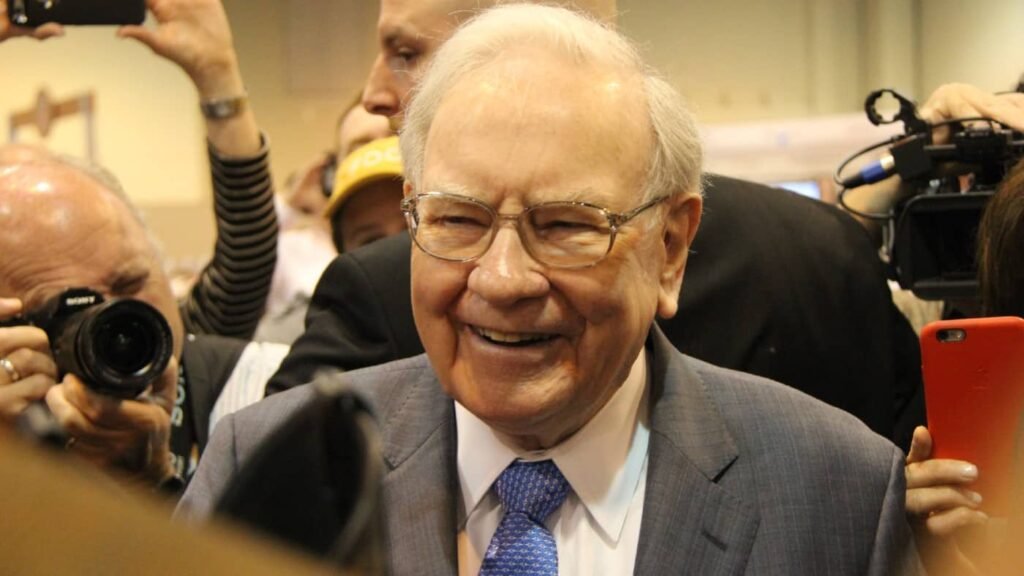
Warren Buffett’s Berkshire Hathaway sold about $1.5 billion of Bank of America shares, trimming its stake.
What does this mean?
Berkshire still owns about 999 million shares – a stash that’s valued at over $42 billion. And the conglomerate is nowhere near saying goodbye to Buffett’s favorite bank stock: with such a small adjustment, it’s more likely just tweaking the asset mix. After all, the Berkshire and Bank of America love affair goes way back: Buffett’s firm bought its first $5 billion stake in 2011, in the still-unstable days after the global financial crisis. And it’s been adding to its pile ever since, until now.
Why should I care?
Zooming in: It’s not you, it’s Berkshire.
Buffett’s firm sold a slice of another major holding – Apple – earlier this year. But the iPhone maker is still 40% of its US-listed assets, thanks in part to a strong rally over the past few months. The problem for Berkshire is that it’s not finding much to buy. See, today’s lofty share valuations have meant big-cap stocks are priced too high to meet Buffett’s strict criteria. Meanwhile, smaller companies, even if they look cheap, just won’t cut it, since they can’t offer a stake hefty enough for such a big fish. So Berkshire’s left sitting on a huge, $190 billion cash pile. Most of that is held in short-term government bonds, earning around $10 billion a year – not bad for a risk-free investment.
The bigger picture: Money out, money in.
Higher interest rates empty the pockets of most folk as mortgage payments and borrowing costs jump. And when groceries and other stuff become more expensive, that just adds to the pressure. But for investors, a more than 5% return on cash is pretty tempting when inflation is around 2% to 3%. That’s one reason there’s been record flows into money market funds, which offer those higher interest rates.