Last Updated:
It is the first high-level interaction between the two warring neighbours since Pakistan launched Operation Ghazab lil-Haq against alleged terror hideouts in Afghanistan on Feb 26




The Afghanistan-Pakistan ties have been tense since October 2025. (File)
Pakistan and Afghanistan will on Wednesday meet in China’s Urumqi under a trilateral mechanism hosted by Beijing.
It is the first high-level interaction between the two warring neighbours since Pakistan launched Operation Ghazab lil-Haq against alleged terror hideouts in Afghanistan on February 26.
Quoting a senior Foreign Ministry official, who asked not to be named due to the sensitive nature of negotiations, Dawn reported that the meeting is not a “mediation effort per se”.
It said the meeting is focused on sharing perspectives on the latest escalation. No major outcomes are expected, though China is pushing for confidence-building measures, such as reopening trade routes, it added.
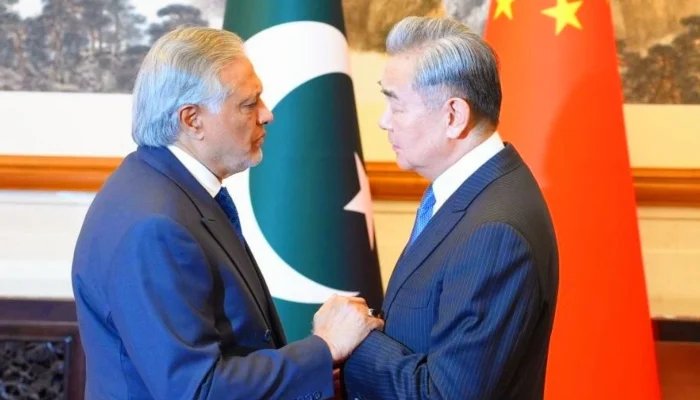
Another official, familiar with the development, said Beijing requested Deputy Prime Minister Ishaq Dar, who was in the Chinese capital on Tuesday, for Pakistan’s participation as Kabul had asked for assistance from the Chinese in bringing Islamabad to the table.
Diplomatic channels had completely frozen after the operation and China stepped in to save their investments both sides.
The meeting
Pakistan is represented by a high-powered delegation led by an Additional Secretary level officer from Afghan Desk, accompanied by military and intelligence officials. Afghanistan has sent officials from its interior and foreign ministries plus its intelligence directorate.
According to sources in Islamabad and Kabul, China is not just hosting but actively facilitating the meeting.
China is worried if Afghanistan stops controlling East Turkestan Islamic Movement (ETIM), a major spillover is possible in China These talks are exploratory, according to local media in Islamabad.
The central focus is creating a mechanism to address Pakistan’s and China’s demands regarding TTP sanctuaries and ETIM activities. China’s involvement shows its strategic interest in regional stability linked to CPEC and Xinjiang security. Beijing’s role as facilitator will help China-Pakistan-Afghanistan trilateral framework and shows China’s growing influence in Afghan affairs, say local sources.
What Indian intelligence sources say
For the Taliban regime, it provides an opportunity to ease international isolation while maintaining deniability on TTP support. Pakistan’s military and ISI facing sustained pressure on the western border with Afghanistan and internal challenges in Balochistan. Pakistan may attempt to push cross-border terrorist elements towards Indian territory in Jammu and Kashmir as a deflection tactic, said Indian intelligence sources.
Beijing’s facilitation of the Urumqi meeting serves its own interests in to curb ETIM threats and protecting CPEC-related stability. China is also worried about India’s growing engagement with Taliban elements, they said.
With PTI inputs
April 01, 2026, 17:15 IST
Read More