Published on
January 13, 2026

A significant shift in premium domestic air travel within the United States has been set in motion as American Airlines continues to expand operations with the Airbus A321XLR, an aircraft positioned at the center of its long-term fleet and revenue strategy. The aircraft has already been introduced on the flagship JFK–Los Angeles corridor, a route long associated with business travel, entertainment industry movement, and high-end leisure demand. Through the careful deployment of the Airbus A321XLR, a stronger focus has been placed on passenger comfort, operational efficiency, and premium cabin consistency across the most competitive transcontinental markets.
This expansion has been designed to benefit not only corporate travelers but also the broader travel and tourism ecosystem that connects major coastal cities. With new services planned between New York, San Francisco, Boston, and Los Angeles, improved connectivity has been positioned as a catalyst for tourism flows, convention travel, and international connections. At the same time, future international potential has been embedded into the strategy, with routes planned to the United Kingdom and potential expansion into Brazil as aircraft deliveries increase. Through this measured rollout, American Airlines has reinforced its intent to modernize premium travel while aligning narrowbody efficiency with long-distance comfort.
Strategic Introduction of the Airbus A321XLR
The Airbus A321XLR has been introduced by American Airlines as its most premium narrowbody aircraft to date. The jet has been specifically configured for long domestic sectors where comfort, privacy, and productivity are considered essential. By placing the aircraft on flagship transcontinental routes, a clear emphasis has been placed on maximizing yield while maintaining flexibility in fleet deployment.
The aircraft has been positioned as a replacement for older premium narrowbody types, allowing modernization without the higher operating costs typically associated with widebody aircraft. As a result, premium service consistency has been strengthened across key domestic routes in the United States.
New Transcontinental Routes Strengthening U.S. Connectivity
Two major new transcontinental routes have been added to the Airbus A321XLR network, further reinforcing American Airlines’ presence in high-demand business and leisure markets.
From May 7, service between JFK and San Francisco has been scheduled with the Airbus A321XLR. This route has long been recognized as one of the most competitive business corridors in the United States, supporting financial services, technology, and international connections through both hubs.
From July 2, the aircraft has been scheduled to debut on the Boston to Los Angeles route, timed deliberately to coincide with peak summer travel demand. This addition has been designed to support both corporate travel and leisure tourism between the East Coast and West Coast, particularly during a season of increased domestic movement.
Due to limited early aircraft deliveries, the A321XLR has not been assigned to every daily frequency on these routes. Passengers have therefore been advised to verify aircraft assignments during booking to ensure availability of the new premium cabin experience.
Cabin Design Focused on Premium Comfort
The Airbus A321XLR cabin has been designed around the expectations of high-yield travelers while remaining accessible to leisure passengers seeking upgraded comfort. The aircraft has replaced the older A321T fleet, which previously served premium coast-to-coast markets.
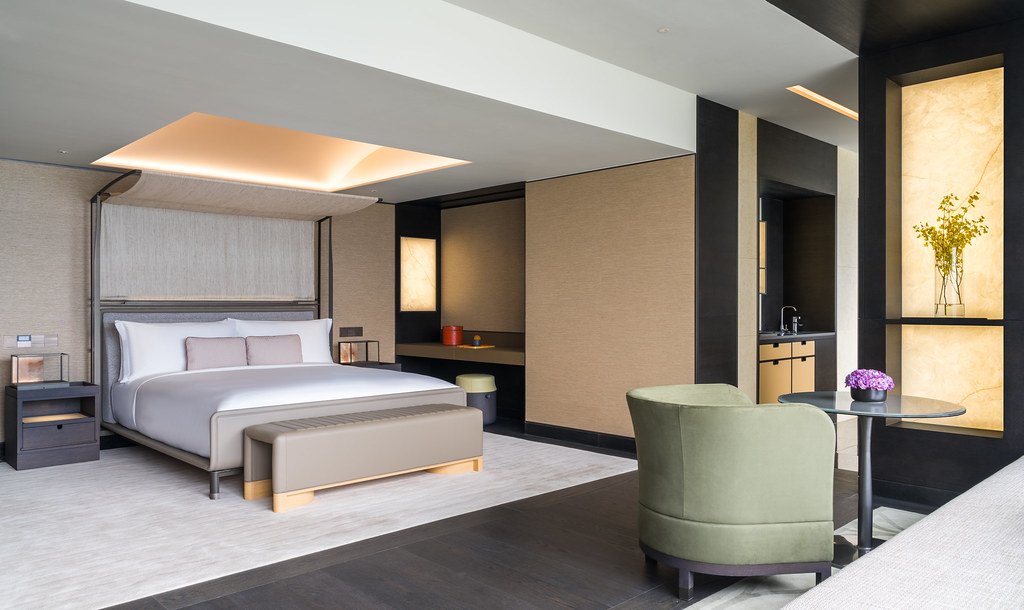
Unlike the retired configuration, the new aircraft has removed international-style first class while retaining a strong premium emphasis. Each A321XLR has been fitted with 20 Flagship Suites featuring lie-flat seating, sliding privacy doors, and updated in-flight technology. This configuration has allowed privacy and comfort to be delivered in a narrowbody format suitable for long domestic flights.
In addition to the Flagship Suites, 12 premium economy seats have been installed, bridging the gap between the front cabin and the main cabin experience. The refreshed main cabin has been equipped with Bluetooth-enabled entertainment screens, reflecting evolving passenger preferences for personal device connectivity.
Enhancing the Travel and Tourism Experience
The expansion of Airbus A321XLR routes has been positioned as more than a fleet upgrade. Improved premium connectivity between major cities such as New York, Los Angeles, San Francisco, and Boston has been aligned with broader travel and tourism goals.
These cities serve as gateways for international visitors arriving in the United States, as well as departure points for outbound tourism to destinations across Europe and South America. By improving comfort and reliability on domestic feeder routes, smoother international connections have been enabled, benefiting inbound tourism flows from the United Kingdom and other European markets.
For leisure travelers, the introduction of modern aircraft on popular routes has enhanced the overall journey experience, particularly for long-distance domestic trips that previously required older cabin products.
Future Domestic and International XLR Deployments
American Airlines has confirmed that additional premium domestic routes will be added to the Airbus A321XLR network as more aircraft are delivered. One confirmed future deployment includes flights between JFK and John Wayne Airport in California’s Orange County, a market known for strong premium demand linked to corporate and leisure travel.
Beyond the domestic market, the extended range of the A321XLR has been identified as a key enabler for long-haul international flying. Service to Edinburgh in the United Kingdom has already been announced to begin in March, marking a significant milestone for narrowbody transatlantic operations.
Further destinations in Europe and Brazil have been placed under consideration, highlighting the aircraft’s role in supporting international tourism growth while maintaining cost efficiency.
Premium Route Strategy and Revenue Optimization
The deployment of the Airbus A321XLR has been guided by a focused premium route strategy. Routes such as JFK–SFO, JFK–LAX, and BOS–LAX have consistently attracted business travelers willing to pay for lie-flat seating and enhanced onboard service.
By concentrating the aircraft on these corridors, unit revenue improvement has been targeted while fuel efficiency gains have been realized compared with widebody operations. This approach has also allowed American Airlines to standardize premium service offerings across its most visible domestic routes.
As older aircraft types are phased out, fleet simplification has been supported, reducing maintenance complexity while delivering a consistent passenger experience.
Fleet Growth and Long-Term Vision
With 50 Airbus A321XLR aircraft on order, the type has been positioned as a central pillar of American Airlines’ premium growth strategy. Over time, the fleet will gradually replace older transcontinental aircraft while opening new opportunities for long-range routes previously considered uneconomical with narrowbody jets.
This long-term vision has been aligned with evolving travel patterns, where passengers increasingly value direct routes, modern cabins, and seamless domestic-to-international connections.
Bottom Line
The Airbus A321XLR has emerged as a transformative asset within American Airlines’ network, reshaping premium domestic travel across the United States while laying the groundwork for expanded international connectivity to the United Kingdom and Brazil. Through carefully selected routes, enhanced cabin design, and a clear premium focus, the aircraft has supported both business travel and tourism growth.
As deliveries continue and new markets are added, travelers can expect increased access to modern aircraft designed for comfort, efficiency, and long-distance performance. The expansion reflects a broader commitment to elevating the travel experience while supporting the evolving demands of global tourism.