Instead of requiring passports to be repeatedly presented, cameras for facial scanning were installed at the checkpoints, where passengers’ biometric scans would be matched to the passport image shared from their digital wallet or app.
Security, privacy and consent were prioritised through the trial, Air New Zealand said, ensuring participants were fully aware of when, how and with whom their information was shared.

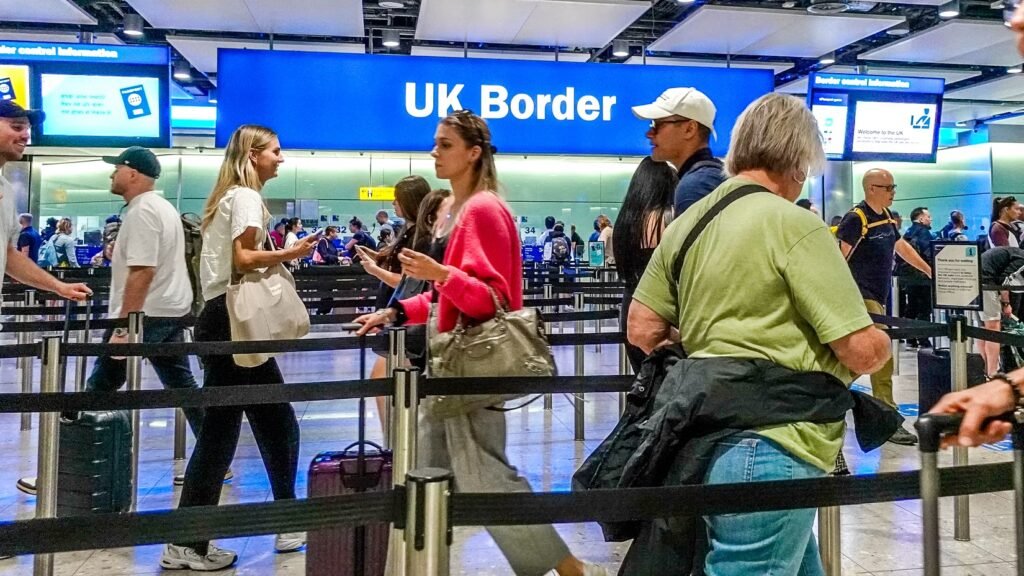
Currently, passengers have to present their passports at various points during check-in, boarding, transit and arrival.
The airline said the technology would be used to simplify airport journeys and reduce the “time-consuming and fragmented” approach currently undertaken by processing teams, where separate checks are conducted by airlines, airports, border agencies and partner airlines.
“Our ambition is to make travel easier from start to finish. That means fewer document checks, less time queueing and a smoother experience overall,” chief customer and digital officer Jeremy O’Brien said.
“This trial shows how digital identity could help create a more seamless journey, while also improving security through encrypted data and customer-controlled information sharing.”
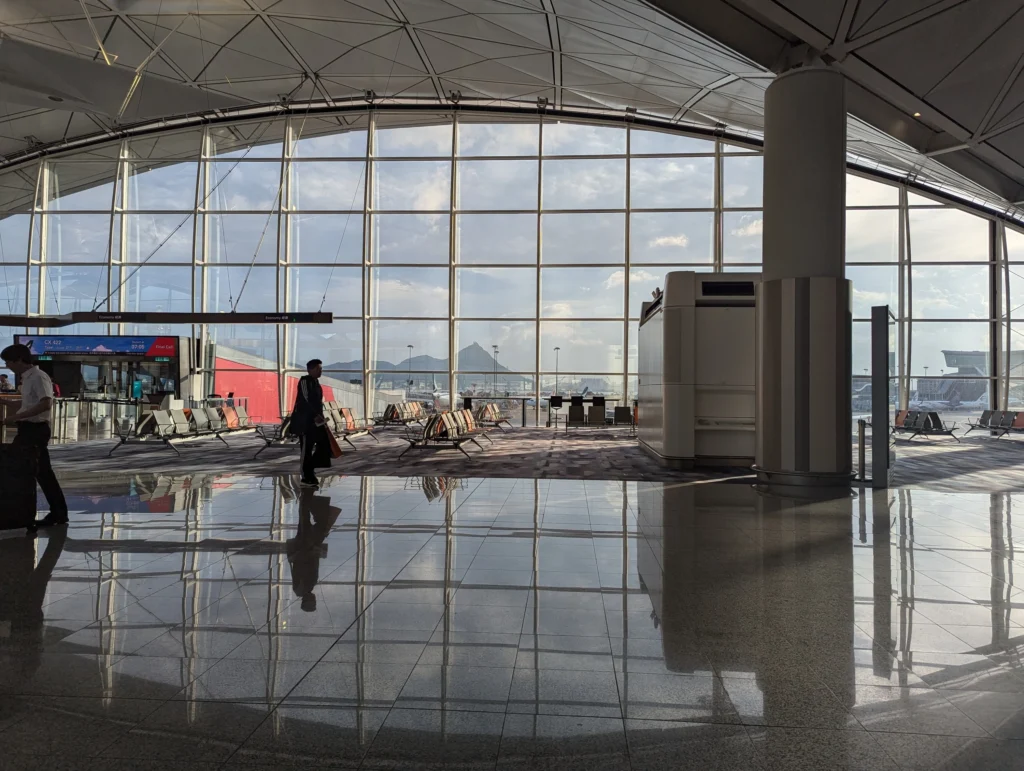
Hong Kong International Airport was engaged for the trial, in which end-to-end biometric processing was rolled out in 2022 as part of its world-first Flight Token initiative.
Other systems integrated into it were the New Zealand Traveller Declaration, which customers could fill out via Air New Zealand’s app or website, the IATA Travel Directory‘s biometric services, and the airline’s check-in operations.

Air New Zealand said it would continue working with government agencies and partners to develop and refine the system before its eventual network-wide rollout.
It made digitisation of its services a key goal after severe disruptions to the aviation industry during the Covid-19 pandemic.
Nikhil Ravishankar, now Air NZ’s chief executive, led its mission to become the world’s top digital airline when he was chief digital officer. He was appointed to the top role in July last year.
Around the same time, he announced that the airline had signed a deal to work directly with OpenAI, the company behind ChatGPT, which would enable its team to test new products and services using artificial intelligence before they’re put to humans in a focus group.
Sign up to The Daily H, a free newsletter curated by our editors and delivered straight to your inbox every weekday.