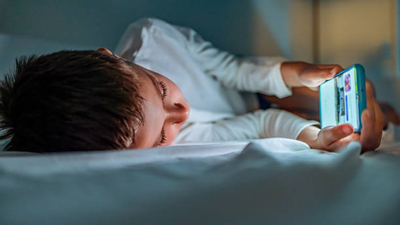
Researchers at AIIMS have found something that a lot of parents probably don’t want to hear: letting your baby watch your phone might actually increase the risk of autism. The study, presented by the Department of Pediatric Neurology, shows a real connection between screen exposure in very young children and autism diagnosis later on.Children under 18 months who got heavy screen time, basically, babies whose parents were glued to their phones around them, were significantly more likely to develop autism by age three. The correlation was particularly noticeable in boys, though girls showed symptoms too.“For autism spectrum disorder, especially for screen time, a lot of research has been done,” said Dr. Shefali Gulati, Head of the Department of Pediatric Neurology at AIIMS. “We found that children who had more screen time at one year old showed higher autism prevalence by age three.”
What makes this worse is that it’s preventable
The thing is, this isn’t just theoretical. The AIIMS team actually measured the difference between children with autism and without. The autistic children consistently had earlier, longer exposure to screens. Dr. Gulati was clear about one thing: personal interaction matters. A lot. She said, “The more we interact with the child individually, that is very important.” Basically, your baby needs you, not your phone. They need to see your face, hear your voice, watch how you react. That’s how they learn to be human.
What is autism, anyway?
Autism spectrum disorder is a developmental condition that affects how a child’s brain processes information and interacts with the world. It impacts their ability to understand language, read social cues, and communicate. Autistic children might struggle with things that seem obvious to other kids—like knowing when someone’s joking, or understanding why their behavior bothers people, or just following unwritten social rules.The thing is, autism exists on a spectrum. Some kids are mildly affected. Others have severe challenges. Some autistic kids never speak. Others talk constantly but don’t understand why people keep walking away from them mid-conversation. It’s not one thing. It’s a range of differences in how the brain works.
Signs you might want to get checked
Early symptoms can be subtle. You might notice your baby doesn’t make eye contact or respond to their name by 12 months. They might not point at things or play with toys in typical ways. Some autistic kids repeat the same movements over and over, spinning, hand-flapping, lining things up. They might get really upset by small changes in routine. Loud noises can be genuinely painful for them.Speech can be delayed or unusual. Some kids mix up pronouns, talking about themselves in the third person. Others use words but don’t understand what they mean. Social interaction is usually the biggest struggle—they might not understand why they can’t just walk up and take a toy from another kid, or why everyone got upset when they said something they thought was funny.
What parents should actually do
Dr. Gulati’s advice is straightforward: reduce screen time gradually. Don’t suddenly yank the phone away—that’ll just stress everyone out. But start cutting back. And when guidelines say no screens for kids under 18, they mean it. That’s not being overprotective. That’s based on actual research.And if you see signs that worry you, get them checked. Don’t assume they’ll grow out of it. Early intervention helps. A lot. Talk to a pediatric neurologist or developmental pediatrician. Getting diagnosed early means getting help early, and that makes a real difference.Dr. Gulati ended with something important: “Every child, whether they have difficulty or autism, has a right to a dignified life.” These kids need the right support, the right people around them, and honestly, parents who put the phone down and actually talk to them.(With inputs from ANI)