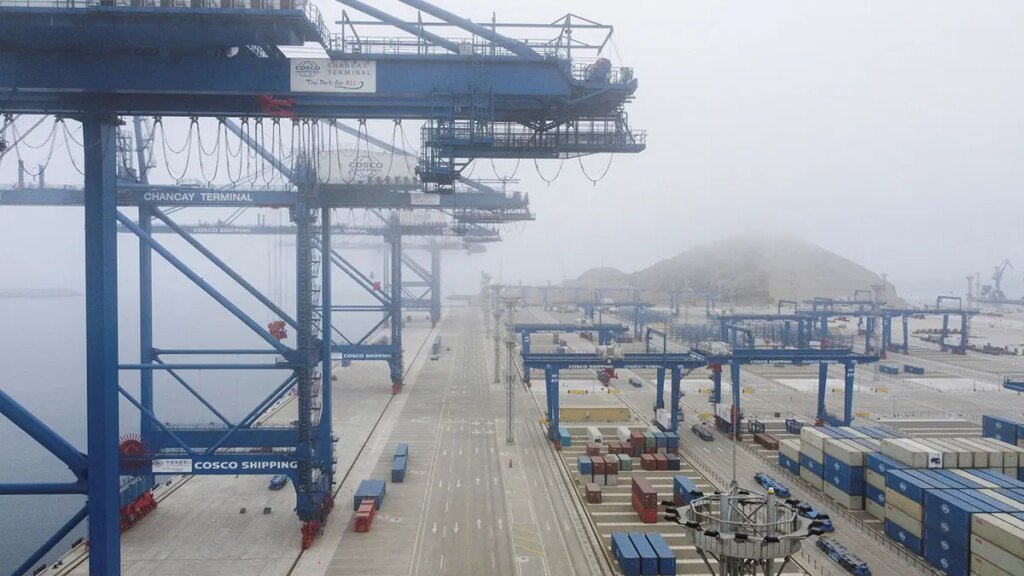
The inaugural report by the ONE Data initiative found that many low- and middle-income countries – particularly in Africa – are now transferring more funds to China in debt payments than they receive in fresh financing from the world’s second-largest economy. The swing has coincided with a surge in net financing from multilateral institutions, which have become the main source of development finance once debt-service outflows are taken into account.
Multilateral lenders increased net financing by 124% over the past decade and now provide 56% of net flows, equivalent to $379 billion between 2020 and 2024, the analysis found.
“The fact that there’s less lending coming in, but that previous lending from China still needs to be serviced – that’s the source of the outflows,” said David McNair, executive director at ONE Data.
In 2020-24, the most recent period for which data is available, Africa saw the largest impact, with an inflow of $30 billion in 2015-19 turning to an outflow of $22 billion. The data does not include cuts that took effect in 2025. The closure of the U.S. Agency for International Development last year and a drop in allocations from other developed countries has already hit developing economies, especially in Africa.

Once 2025 data becomes available, it is likely to show a large drop in Official Development Assistance flows, said McNair.
He said the trend was “a net negative” for African nations, as many governments face difficulties funding public services and investment – but would at the same time promote domestic accountability as governments rely less on external financing.
The report also highlighted a broader decline in bilateral finance flows and private external debt – also trends likely to be exacerbated by aid cuts from 2025 onwards.