From the green and purple Northern Lights in Iceland to glowing blue clouds in Denmark, here is the list of seven destinations that offer sights you m…
 1/8
What if your next holiday came with a view of a sky that was not blue? Around the world, there are places where the sky becomes an attraction in itself. From the green and purple Northern Lights in Iceland to glowing blue clouds in Denmark, these destinations offer sights you may not get to see every day. If you love unusual natural wonders, these seven places deserve a spot on your travel bucket list.
 2/8
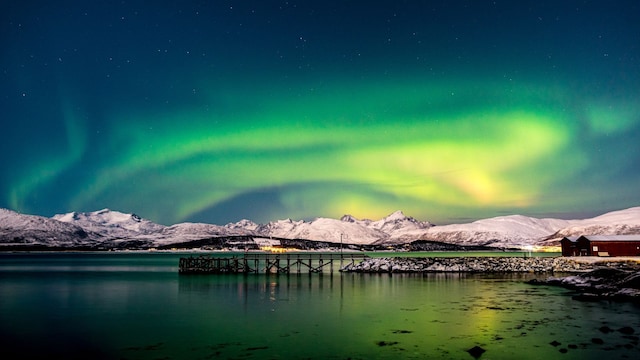
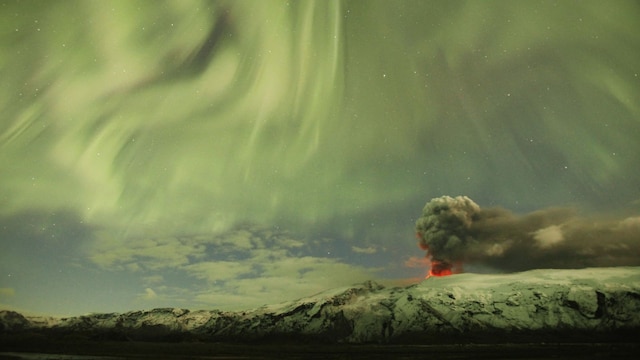
Iceland | Iceland is among the popular destinations for watching the Northern Lights, also known as the Aurora Borealis. The night sky lights up in shades of green, purple, pink and sometimes red. You can watch this colourful view from places such as Thingvellir National Park, Lake Myvatn and Jokulsarlon Glacier Lagoon. The best time to visit Iceland for the Northern Lights is between September and April, when the nights are dark enough to see them. (Image Reuters file)
 3/8
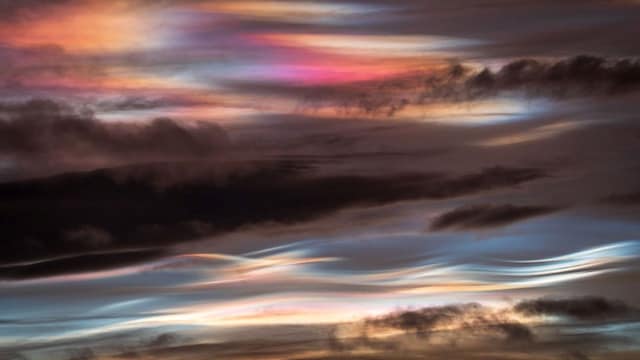
Norway | Norway is one of the places where you may spot a rare cloud formation called nacreous clouds, also known as mother-of-pearl clouds. These clouds appear high in the atmosphere and shine in shades of pink, purple, green and blue. Their bright colours make them look almost like a rainbow spread across the sky. You can look for them in northern Norway and other parts of Scandinavia. The best time to see them is during the cold winter months, especially around sunrise and sunset. (Image Shutterstock)
 4/8
Hawaii | Hawaii is known for a rare sight called the green flash. It happens just as the Sun disappears below the horizon at sunset or appears above it at sunrise. For a few seconds, the top part of the Sun can appear green instead of its usual orange or red colour. You can look for the green flash from west-facing beaches and coastal viewpoints across Hawaii. The Mauna Kea area on the Big Island is also known for sightings. You can view it during clear weather. (Image Shutterstock)
 5/8
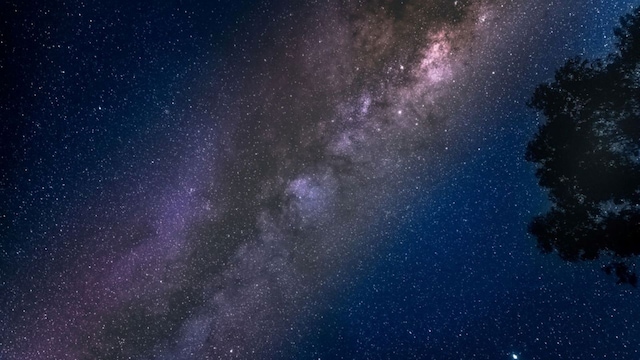
Chile | The Atacama Desert in northern Chile is famous for its clear and dark night skies. You can see thousands of stars, bright planets and the Milky Way stretching across the sky. You can explore the night sky around San Pedro de Atacama. April to November is generally a good period for clear skies. (Image Shutterstock)
 6/8
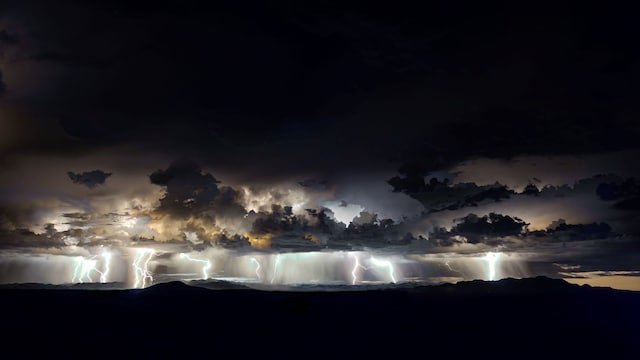
Venezuela | Lake Maracaibo in Venezuela is known for a natural phenomenon called Catatumbo Lightning. The area experiences frequent thunderstorms, with lightning lighting up the night sky for hours. The repeated flashes appear white, pink and purple. You can watch this in the southwestern part of Lake Maracaibo, particularly around the mouth of the Catatumbo River. Lightning can occur throughout the year, but the activity changes with the seasons. (Image Shutterstock)
 7/8
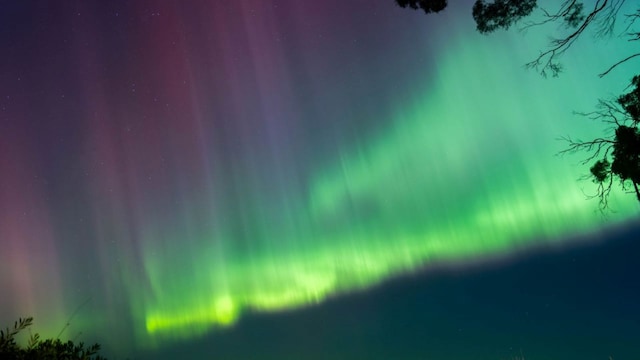
Australia | Tasmania in Australia is one of the places where visitors can watch the Southern Lights, also known as Aurora Australis. The night sky can glow in shades of pink, purple, red and green. The colourful display happens when charged particles from the Sun interact with gases in Earth’s atmosphere. You can try spotting the lights from Bruny Island, Cradle Mountain and other dark areas around Tasmania. The best time to visit is during the winter months, between June and September. (Image Shutterstock)
 8/8
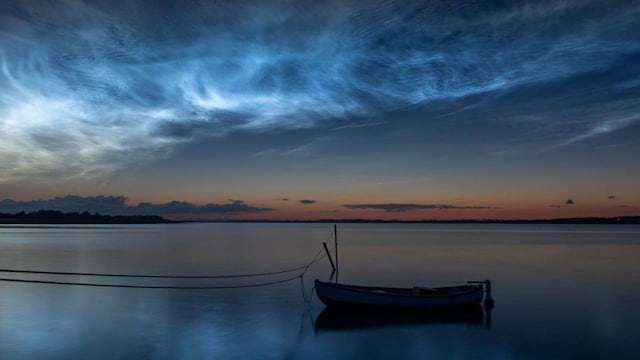
Denmark | Denmark is among the places where visitors can spot a rare type of cloud called noctilucent clouds. These clouds appear in bright electric-blue and silver shades against the dark sky. They form much higher-than normal clouds, at around 80 kilometres above the Earth’s surface. You can look for these clouds in different parts of Denmark, including areas around Billund. The best time to see them is between May and August, when they are more commonly visible in the Northern Hemisphere. (Image Shutterstock)