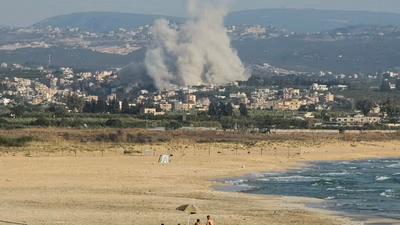
Russia’s oil processing rates have plunged to the lowest in more than two decades as Ukraine continues to strike refineries, according to Rystad Energy, heaping pressure on the country’s domestic fuel supplies.

Refinery runs totaled between 2.6 million and 2.7 million barrels a day as of Monday, roughly halving since Oct. 30, said Viktor Kurilov, a senior oil analyst at the research and intelligence firm. That has taken crude-processing rates back below multiyear lows seen during previous waves of attacks earlier this year.
Ukraine has been striking Russian fuel-producing plants almost daily after launching a fresh round of attacks late last month, aiming to curb Moscow’s energy revenues and increase the cost of war for ordinary Russians. There’s no sign of an end to the war, with the Kremlin hitting critical facilities in Ukraine, including power plants, gas infrastructure, ports and residential buildings.
For Russia, the recent strikes risk further hurting its domestic fuel market, which has faced several shortages since the summer. President Vladimir Putin on Tuesday said the situation on the domestic oil-product market “remains challenging,” as he vowed to respond to the ongoing attacks on refineries.
Russia has classified almost all oil-related data following its full-scale invasion of Ukraine in 2022. That makes it difficult to assess the extent of drone-related damage to the nation’s crude processing.
Rystad calculates Russian refinery runs by monitoring crude-supply chains, tanker tracking, satellite images and industry sources. Its estimate doesn’t include the impact of strikes on two refineries in the Samara region on Wednesday.
Ukraine has attacked at least 18 refineries since late October, according to a Bloomberg tally based on statements from officials in both nations and people familiar with the incidents. However, not all of the nameplate capacity of refineries hit may be affected, since some continued to process at reduced rates following earlier drone strikes or quickly resumed operations after attacks.
Also Read: Trump’s energy ceasefire ignored, Russia-Ukraine continue attacks on oil refineries, energy infra?
Authorities are doing everything possible to keep the domestic market supplied with fuel, and “the situation is quite tense,” Tass reported Deputy Prime Minister Alexander Novak as saying on Wednesday.
The drop in crude-processing rates is already visible at Russia’s gas stations. Average weekly retail prices for gasoline rose 0.5% in the Nov. 17-23 period, the Federal Statistics Service said late Wednesday. That’s the biggest weekly increase since early September.
Also Read: Ukraine Pauses Strikes on Russian Refineries After Pressure From U.S.
Russia has already taken a raft of measures to tackle tight supplies, including export restrictions on jet fuel and gasoline, the import of fuels, and working to move supplies to regions where they’re needed most. Some diesel supplies to global markets have been allowed following an agreement with US President Donald Trump.
The refinery strikes have also forced Moscow to divert crude that it can’t process into the export stream, lifting overseas crude sales and helping to stoke a supply surplus.