Stock investors have been dumping software names this year, fearing that AI will eat their lunch. Lenders are catching up.
Software stocks held steady on Tuesday while chip stocks sank about 8%. It was a rare calm day for a group that’s been pummeled in 2026.
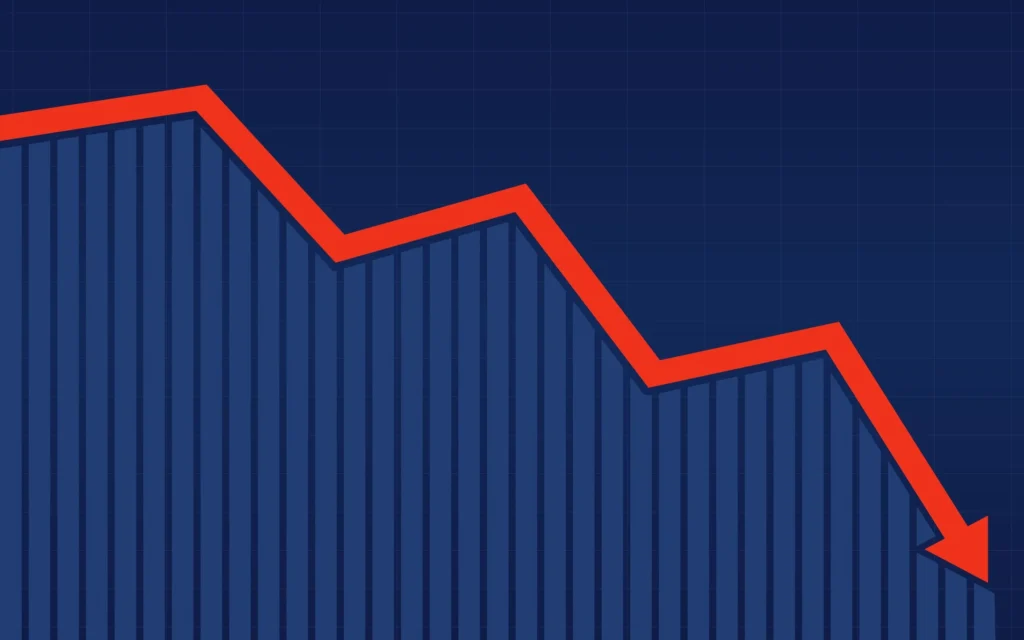
Salesforce (CRM), Adobe (ADBE), ServiceNow (NOW), HubSpot (HUBS), and Intuit (INTU) are down roughly 25% to 60% this year. The iShares software ETF (IGV) is down about 10%, while semiconductors as a group (SOXX) are still up about 28%.
Now the pain is spreading to the debt market. “Software is being hit by a double whammy of AI disruption and rates staying higher for longer,” Apollo chief economist Torsten Sløk wrote on Tuesday.
(Disclosure: Yahoo is a portfolio company of funds managed by affiliates of Apollo Global Management.)

Software borrowers are paying up for AI risk
Yields on software leveraged loans have climbed above 13%, up from about 9% at the start of the year. These are loans to companies that already carry lots of debt, often owned by private equity firms.
Yields on leveraged loans overall are still under 10%. In January, software borrowers paid about 1 percentage point more than average. Now it’s more than 3 points.
That’s the price lenders are charging for AI risk.

A debt wall built in the zero-rate era
Private equity firms loaded up on software in the easy-money years. At the 2022 peak, software was more than 30% of all buyout deal value.
Many of those deals ran on seven-year loans written in 2021 and 2022, when rates were near zero. They came with minimal amortization, meaning borrowers pay back little of the principal along the way.
So the money comes due mostly at once.

That builds a maturity wall, a pile of debt due at about the same time. Software’s hits in 2028 and 2029.
About $65 billion of software loans mature in those two years, by Yahoo Finance’s reading of Apollo’s data. About $45 billion of it is rated B- or lower, deep in junk territory.
Rolling those loans over isn’t getting easier. Software’s 2028 wall has shrunk just 10% this year, versus 22% for the rest of the market, Sløk wrote on Nov. 12.
Money isn’t getting cheaper, either. The Fed raised rates in September, and Polymarket bettors see about a 96% chance of another hike on Dec. 9.

Tailwind or trap?
HubSpot co-founder Brian Halligan, back as CEO after five years away, sees AI as a boost. “HubSpot, I think … is going to get a real tailwind from AI,” he told Yahoo Finance on Tuesday.
Not everyone is convinced, including Bill Gunderson of GCG Advisory Partners, who told Yahoo Finance Tuesday that much of software has become a slow-growth trap.