Donald Trump has renewed his warning of possible military action against Iran after the New Year if negotiations fail to produce an agreement.
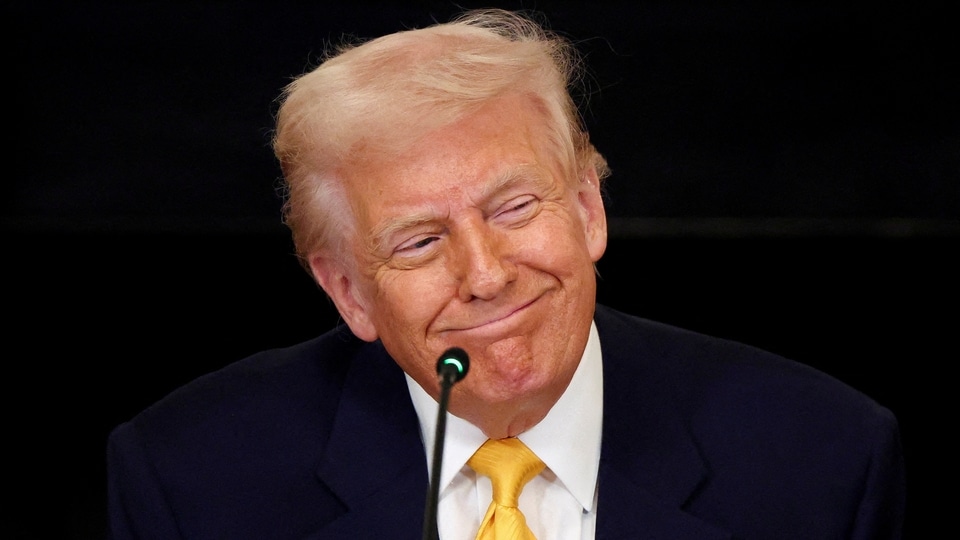
The US President is leaning toward military strikes on Tehran should diplomatic efforts fall short, Fox News reported on Sunday, as he expressed frustration over what he described as Iran’s lack of progress in the talks.
Trump mocks Iran’s negotiating approach
Trump branded Iranian negotiators “professional tap dancers,” accusing them of prolonging discussions without making meaningful commitments toward a deal.
“They talk all the time. All they do is talk, but it’s all BS,” Trump was quoted as saying by Fox News. “I hope Iranian tankers try to test the blockade. They will all be at the bottom of the sea, like Iran’s navy,” he said.
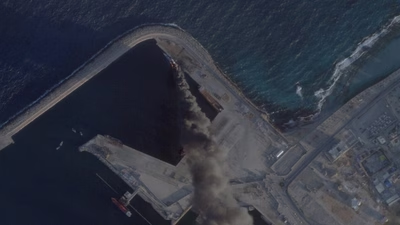
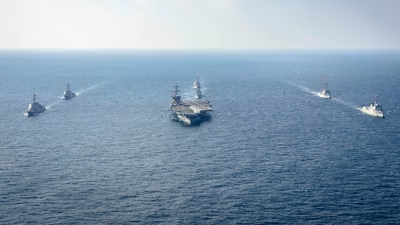
The comments come amid Washington’s ongoing naval blockade of Iranian ports and escalating tensions in the Strait of Hormuz, with Trump forecasting further reciprocal attacks between US and Iranian forces.
Also read | Trump blames Democrats midterms victory for stock market wipeout, claims he predicted it
Iran FM Abbas Araghchi lays out Iran’s conditions
Meanwhile, Iranian Foreign Minister Abbas Araghchi said on Saturday that Tehran could facilitate the reopening of the Strait of Hormuz, provided Washington agreed to reasonable terms consistent with international law.
“Our position is clear: as long as Iran’s demands are not met, the discussion on the Strait of Hormuz and its opening is pointless,” Araghchi said.
“At the same time, we have always affirmed our readiness for dialogue, just as we are ready to defend ourselves,” he added.
Tehran’s reported demands include a halt to fighting on all fronts, the unfreezing of Iranian assets, the lifting of oil-related sanctions and an end to the US blockade of its ports.
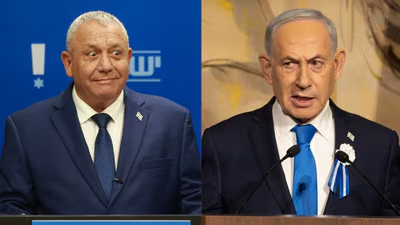
Also read | IDF’s intelligence officials warned Netanyahu against unilateral Israeli attack on Iran: Report
Iran has restricted maritime traffic through the Strait of Hormuz since the war broke out, disrupting a vital shipping corridor that carries roughly 20% of the world’s oil supply.