Want to bookmark your favourite articles and stories to read or reference later? Start your Independent Membership today.
Already a member?
Log in
A Hong Kong teenager has been sentenced to eight years in prison for throwing sulphuric acid over a Singaporean tourist in a premeditated attack that left her with second-degree burns and permanent scarring.
Anson Kew, now 19, was 17 when he ambushed 36-year-old Jiang Wen as she was getting into a private car in Wan Chai on 9 June 2025. He had been promised HK$10,000 (US$1,280) for carrying out the assault.
Handing down the sentence at the High Court on 29 October, judge Andrew Chan Hing-wai said the attack had caused a “lifelong impact” on Ms Jiang.
The court heard that Kew had surveyed the location several days before the assault. Dressed in black and wearing a hat and face mask, he approached Jiang and threw corrosive liquid over her three times, striking her face and limbs, according to The Standard.
Jiang screamed in pain and collapsed as the chemical began burning her skin. Kew fled the scene.
The liquid was identified as sulphuric acid. According toThe Standard, it had a concentration of nearly 70 per cent.
Medical reports showed that the chemical burns covered between 10 and 11 per cent of Ms Jiang’s body, including her face, feet and upper limbs, according to the South China Morning Post (SCMP) and Channel News Asia (CNA).
She spent 61 days in hospital, undergoing several operations to remove damaged tissue and receive skin grafts. She subsequently returned to Singapore to continue her treatment.
The judge said Ms Jiang had suffered lasting physical and psychological consequences. She was diagnosed with post-traumatic stress disorder, experienced insomnia and required medication. The attack also left her with permanent, visible scars, The Standard reported.
Kew pleaded guilty on 15 October to one count of throwing corrosive fluid with intent to cause grievous bodily harm.
In sentencing him, Judge Chan adopted a starting point of 12 years’ imprisonment before reducing the term by a third to account for his guilty plea, according to SCMP.
Citing a background report, the judge said Kew had admitted to a probation officer that the assault was a “paid job”, for which he had been promised HK$10,000.
“He admitted that he committed the offence not because of anything but for the desire for money,” Chan said, according to SCMP.
The judge described Kew as “money-oriented” and questioned his willingness to change, saying his prospects of rehabilitation were limited.
The court heard that Kew had a history of offending from an early age. He was convicted of theft at 14 and subsequently breached a probation order, resulting in his placement at a detention facility for young offenders.
He left school after Secondary 4, at around 16, and later developed a drug habit, according to the background report.
Although he denied being a member of a triad group, the judge said he was satisfied that Kew had effectively joined one. Judge Chan also noted that the assignment to attack Ms Jiang had come through his associates.
Kew surrendered to police two days after the assault but refused to answer questions. He did not provide an explanation for targeting Ms Jiang, and the court did not establish whether the two knew each other, according to SCMP.
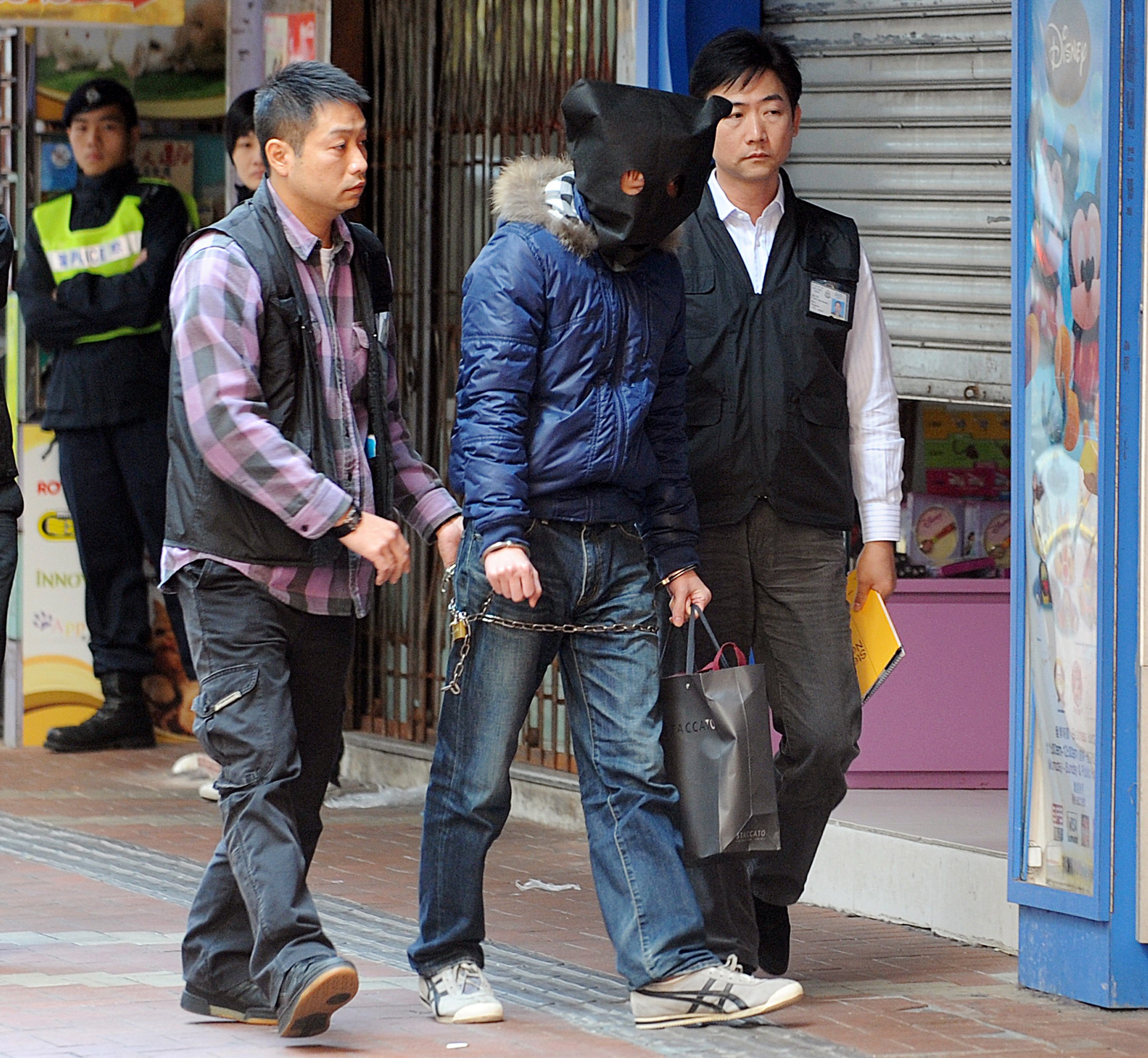
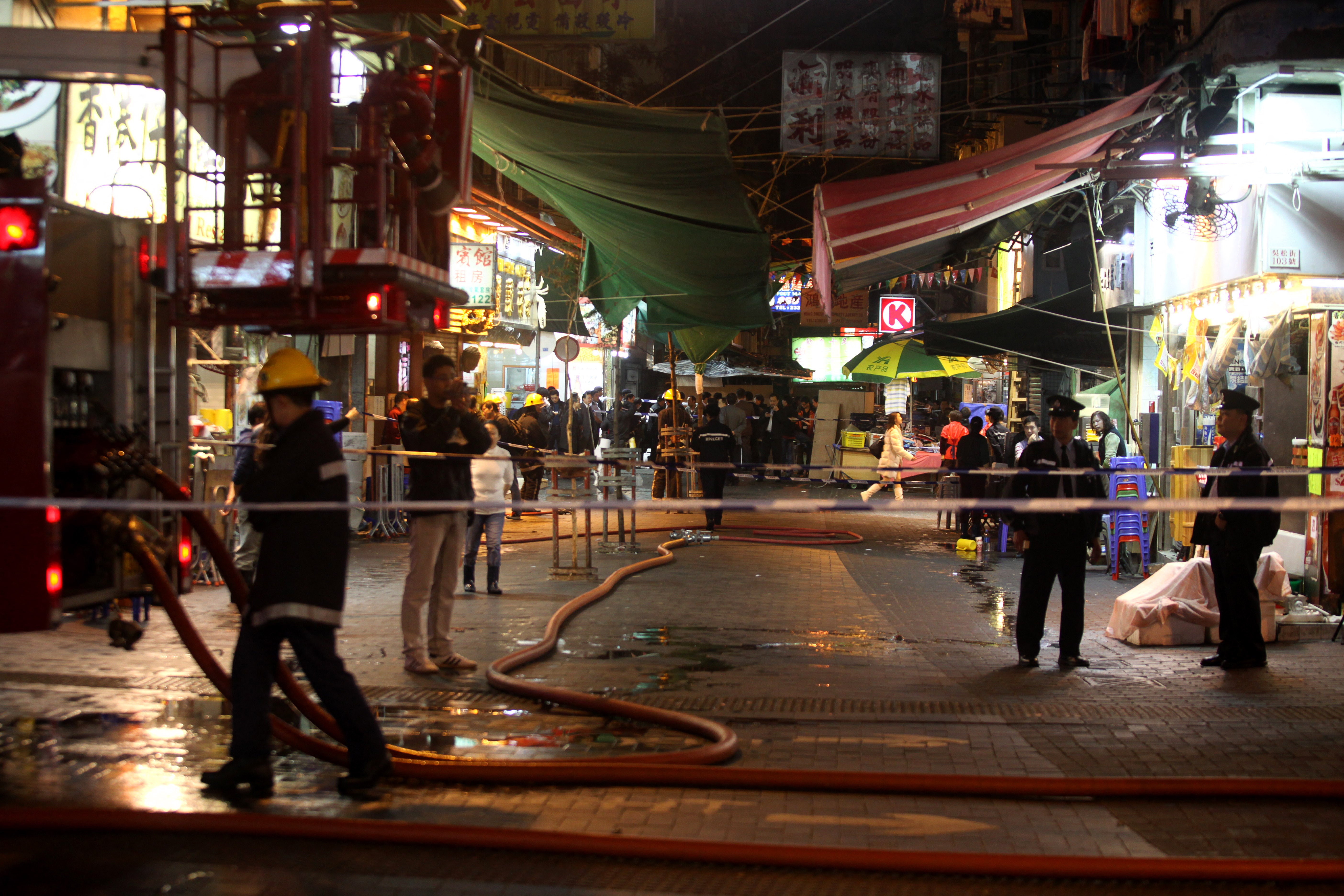
Hong Kong has a difficult history with acid attacks, including an infamous series of incidents that injured more than 100 people between December 2008 and early 2010.
In December 2008, two bottles containing corrosive liquid were thrown from a building into a crowded pedestrian area in Mong Kok, injuring 46 passers-by, according to Hong Kong police. A similar attack in the same area in May 2009 injured another 30 people, the South China Morning Post reported at the time.
In January 2010, at least 30 people, including children and tourists, were injured when two bottles of corrosive liquid were thrown into a crowd near Temple Street in Kowloon.
Police eventually offered a HK$300,000 reward for information about the attacks, and despite multiple arrests being made in 2010 the crimes remain unsolved.