or 10 years we’ve been studying the question: What makes a country a safe place to travel?
The result of our research has been our annual list of the World’s Safest Places. This year’s list, part of a comprehensive survey of the safety attitudes of American travelers, reflects what those travelers consider the safest countries in the world in 2027, based on their actual experiences with those countries.
Through our research, we’ve seen the components of a safe destination shift over the years, as Millennials have passed the live-to-travel torch to Gen Z.
Despite everything, though, the desire to travel remains strong, and the desire to travel to a safe destination remains stronger still. And in this era of heightened tensions and higher prices, it persists.
Here are the safest countries for travelers in 2027:
The Safest Countries in 2027
- Canada
- New Zealand
- Australia
- Iceland
- Japan
- Austria
- Ireland
- Netherlands
- Denmark
- Portugal
- Norway
- Switzerland
- Italy
- Spain
- Germany
Just for comparison, here is the 2026 list:
- Netherlands
- Australia
- Austria
- Iceland
- Canada
- New Zealand
- United Arab Emirates
- Switzerland
- Japan
- Ireland
- Belgium
- Portugal
- France
- United Kingdom
- Denmark
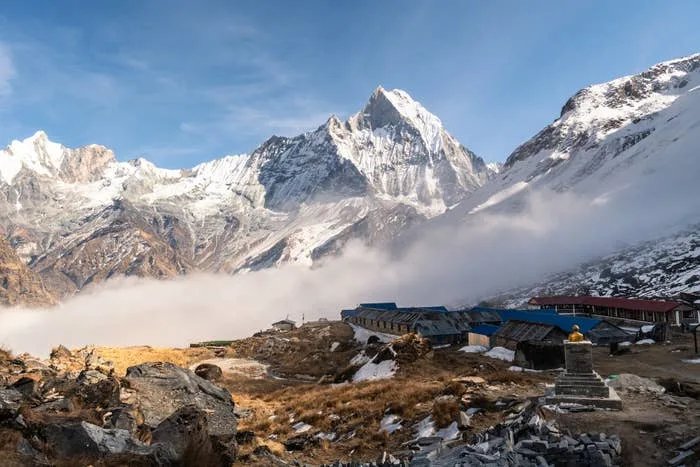
 Photo by Kyle Glenn on Unsplash
What You Need to Know About the World’s Safest Countries
Changes
Last year, the United Arab Emirates was rated as the seventh-safest country. Now it’s 16th – and it could have been even lower if we only surveyed travelers who had been to the UAE in the last year, as opposed to the last five years.
This was also a good year for Scandinavian countries. Denmark, Norway, and Sweden all made big moves up the rankings.
In fact, the top condition for moving up the rankings was being located in Europe, which says a lot about the current state of world travel safety. The sure things are the safe things.
However, there’s a mitigating circumstance we need to mention with this year’s rankings, namely …
History and methodology
For just about as long as we’ve done the Safest Places rankings, we’ve used a weighted index that gives the most weight to our own research but also incorporates other indices and information, including the Global Peace Index, data from Numbeo, and an average of the GeoSure Global scores of the major cities in each country.
The wrinkle is that other safety ratings have come along since we created our index, and they have enough statistical validity to be included.
This additional data didn’t cause major changes in the rankings, as the final results closely mirror our own survey research. But they added depth.
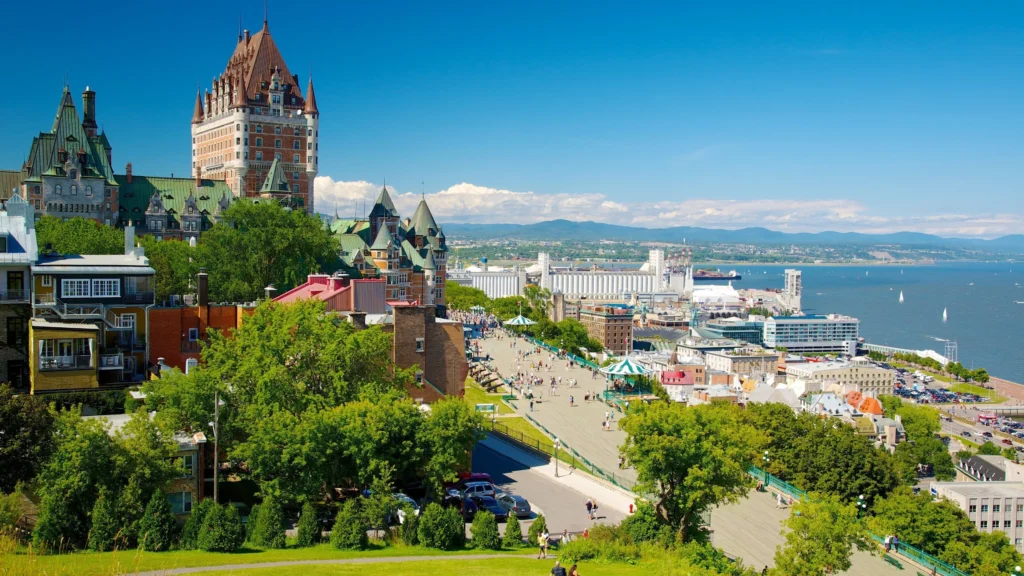
 Photo by Tsunami Green on Unsplash
Caveat
The survey results are from a point in time. If something major is happening in a country during the time the survey is open, that affects the ratings. If something happens subsequently, that doesn’t affect the ratings.
So for instance, attacks on Kuwait happened during the survey period. They probably affected the UAE’s safety rankings – and rightly so.
Even if you’re going to the safest place on earth, it’s a good idea to take additional steps to protect yourself and stay ahead of travel-safety issues.
These include things like:
One big thing our research has turned up over the last several years in that Gen Z loves to travel. They crave experiences, go to different destinations, take risks, but they also acknowledge the threats posed to their travels by a changing environment and geopolitical climate.
In terms of their love of travel, Gen Z isn’t too different from the Millennials that precede them.
At similar life stages Millennials had many of the same travel behaviors but saw fewer threats, because they were doing their globetrotting pre-COVID.
However, because Gen Z is the next great generation of travelers we thought it would be fun to include their perspective for each of the world’s safest countries.
Now, who’s ready for the big reveal?