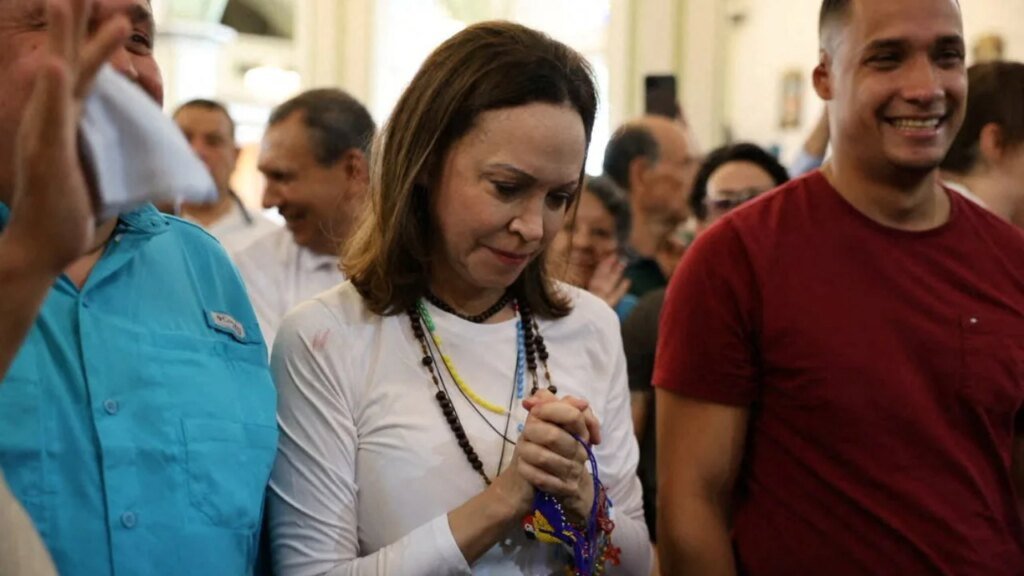
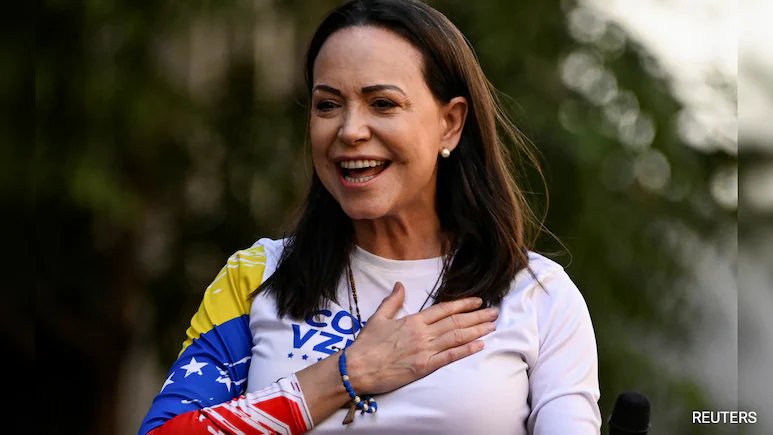
Opposition leader María Corina Machado arrived in Venezuela Sunday, challenging a government she has vowed to oust and that has forged close ties with the Trump administration. Though the U.S. has supported Machado, it also has worked closely with interim President Delcy Rodríguez on oil deals.
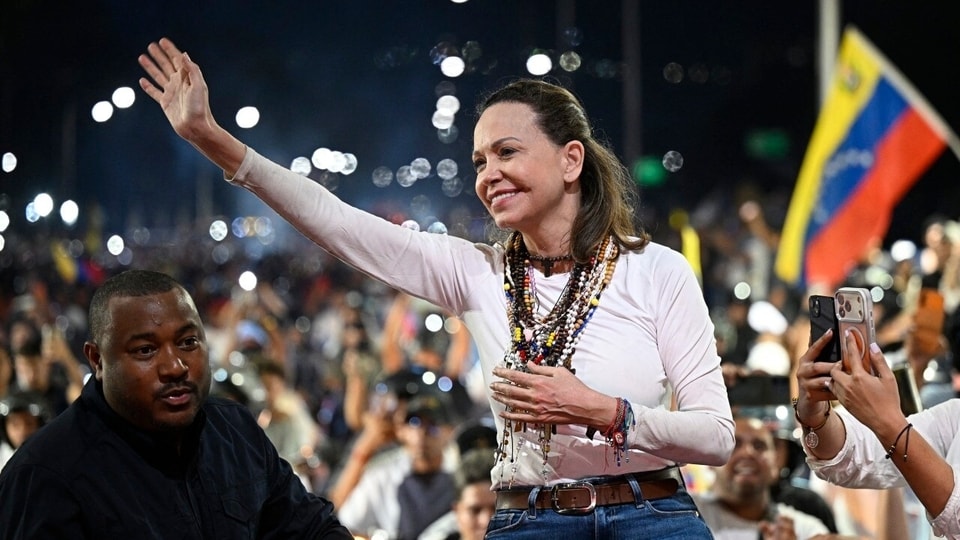
Here’s what Machado’s return, after nearly 11 months outside the country, might mean for Venezuela.
What is Machado’s goal?
Machado says she wants free and fair elections to end the rule of Rodríguez, who has been running the country since her former boss, Nicolás Maduro, was overthrown by U.S. forces on Jan. 3. Machado says that U.S.-backed transition talks are moving too slowly.
A September Meganalisis poll showed that Machado would defeat Rodríguez—or any other politician—handily in an election, gathering 61% of the vote to less than 7% for other contenders.
What is her strategy to bring about new elections?
In August, Machado told The Wall Street Journal that she hoped to revive the nationwide movement that turned out voters en masse in 2024, when Maduro lost an election the U.S. said he had stolen. Her plan now calls for crisscrossing 23 states, going to even the smallest communities, to talk to Venezuelans and reboot her campaign—this time to press for new presidential elections in 2027.
How will Machado stay safe in a country ruled by a government whose leaders revile her?
Officials in the Venezuelan government have made little secret of their hostility for Machado. In February, as Machado planned her return from Washington, Rodríguez warned that she would have to “answer to Venezuela” for backing the January raid that netted Maduro. “We’re waiting for her,” Diosdado Cabello, the interior minister, said in June.
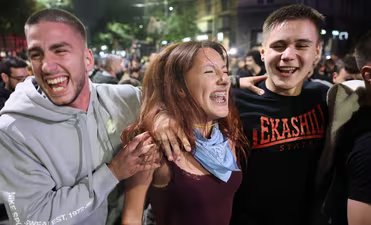
Though the U.S. has told Rodríguez not to move against Machado, supporters have expressed concern about her safety. Her campaigning style—as evidenced by her return on Sunday—is to wade into crowds, hugging and talking with followers, potentially opening herself up to danger.
Machado can’t count on security services controlled by her opponents, so for now, she depends on private security, made up in part by former Venezuelan servicemen, said two people familiar with the matter.
What do Venezuelans want?
After an economic collapse that drove more than eight million people abroad, Venezuelans are eager for stability and economic relief.
A nationwide DatinCorp poll of 1,200 potential voters in August found that 51% of respondents considered inflation, low wages and unemployment the country’s most urgent problems. But they also want democracy. Asked which step should come first in a transition, 35% chose free and fair elections, just a notch above those who prioritized rebuilding the economy. The majority of respondents in the September Meganalisis poll believe elections are urgent and want to see the current government voted out of power.
How does Machado view the growing ties between Rodríguez and Trump?
In August, the U.S. and Venezuelan governments agreed to give a company run by a Venezuelan businessman close to regime figures the right to develop lucrative oil deposits. Machado has warned that deals like this aren’t in the best interest of Venezuelans.
“Delcy Rodríguez represents chaos,” Machado told the Journal in August. Machado’s solution is a presidential election, contending that only after a democratic government is in power will foreign companies make the large investments needed for Venezuela to rebuild its economy and lure back the millions of people who fled.
This explanatory article may be periodically updated.