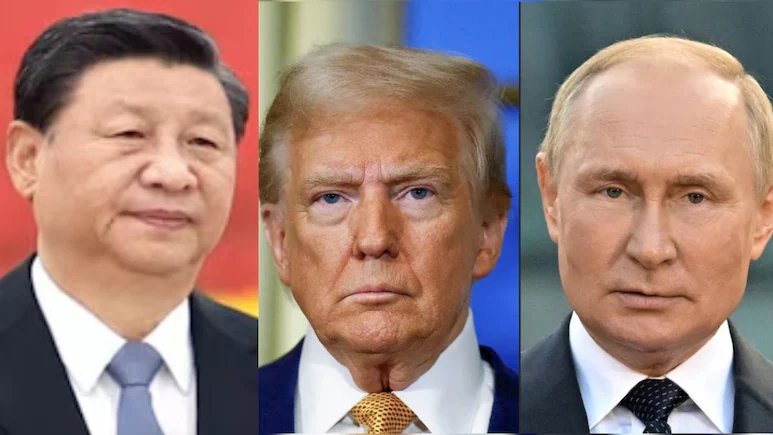
Several US lawmakers and politicians have accused President Donald Trump of “surrendering” to Russian President Vladimir Putin after he signed an executive order waiving sweeping sanctions and tariffs aimed at Russia’s energy revenues.

Senator Richard Blumenthal, who helped draft the Lindsey Graham Act along with late Senator Lindsey Graham, said Trump was turning his back on “the majority of Americans, their representatives in both houses of Congress, and our European allies.”
“These waivers have nothing to do with our national security, and everything to do with sucking up to Vladimir Putin. I hope my Republican colleagues will join me in condemning this craven, cowardly action,” he wrote on X.
The legislation authorised Trump to impose duties of up to 100 per cent on major buyers of Russian oil and gas. His decision to waive the sanctions follows a deal with Putin under which Russia would supply diesel in exchange for relief from US sanctions.
Republican Representative Don Bacon criticised Trump’s decision, saying the US President was “prolonging the war, not ending it”.
Democratic Representative Don Beyer called the move Trump’s “latest surrender to Putin”. He said it “defies clear congressional intent of legislation designed to punish Russia for its illegal war of aggression.”
“Trump has proven he will twist this law and abuse the powers it conferred on him, and while he has let the tariff powers lie for the moment, the law as written also empowers Trump to weaponize new trade authorities against our allies and trading partners,” he added.
California Governor Gavin Newsom also reacted to Trump’s decision, saying that “someone” was getting “paid by Putin” in response to a social media post about the move.
Democratic Representative Teresa Leger Fernandez said Trump was “Putin’s puppet” in her reaction to the decision.
Why Trump waived new Russia sanctions, tariffs
Trump signed an executive order waiving the sweeping new sanctions package targeting Russia’s economy, telling Congress that the pause was in the national interest.
The President had signed the legislation only last month. His decision came two days before the deadline set by the law for implementing the measures.
The White House did not immediately explain why suspending the sanctions was in the national interest. The decision was published on its website late in the evening, with a notification stating that a report explaining the move had been submitted to Congress.
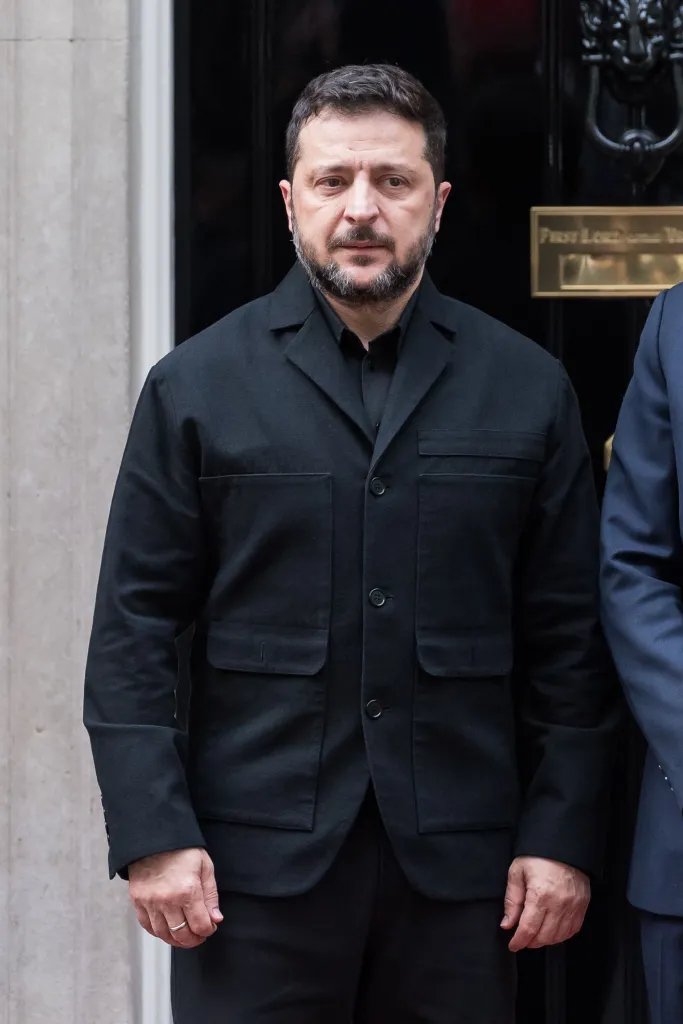
The decision also comes as Trump has increasingly criticised Ukrainian President Volodymyr Zelenskyy, blaming him for failing to reach an agreement with Putin to end the war.
Under an agreement reached last week, Trump said Russia would immediately supply more than 300,000 tons of diesel. Another 500,000 tons would follow in November, with a further 1 million tons supplied “immediately thereafter.”
Trump’s diesel deal with Putin has drawn criticism from both Republicans and Democrats. They argue that the arrangement will help Russia sustain its war against Ukraine without significantly affecting global fuel prices.
With inputs from agencies