The risk of developing dementia is increased by factors such as depression and a lack of vitamin D, according to new research.
The study found that a number of health issues – including suffering a stroke – can contribute to the risk of developing early onset dementia – before the age of 65.
Researchers in the UK and the Netherlands found that while genes can significantly increase the risk, so can lifestyle and environmental factors such as alcohol abuse, social isolation and lower socioeconomic status.
The findings suggest that changing your lifestyle could reduce the risk of the condition.
The study – conducted by the University of Exeter and Maastricht University in the Netherlands – identified 15 risk factors.

The risk of developing dementia is increased by factors such as a lack of vitamin D

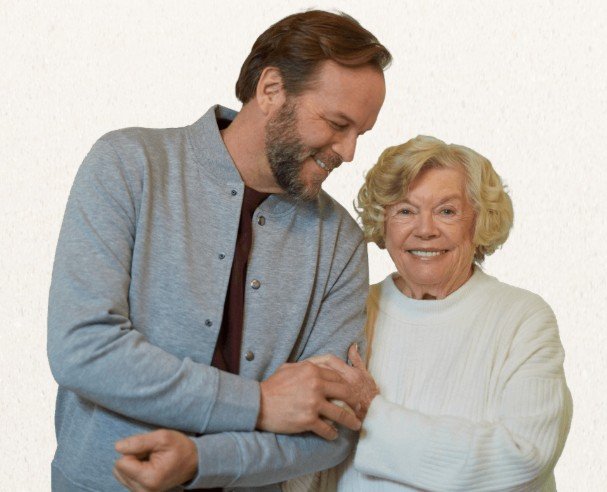
Researchers in the UK and the Netherlands found that while genes can significantly increase the risk, so can lifestyle and environmental factors such as alcohol abuse, social isolation and lower socioeconomic status. (stock image)
According to the Alzheimer’s Society, more than 70,800 people in the UK have early-onset dementia.
Although most people with the disease develop it after the age of 65, it can happen in younger people too, leading to symptoms such as memory loss and confusion, as well as difficulties with problem solving and language.
Published in Jama Neurology, the new research followed more than 350,000 people younger than 65 from the UK Biobank study.
The team analysed a broad range of risk factors from genetic predispositions, to lifestyle and environmental influences.
They say the findings challenge the notion that genetics are the sole cause of the condition, laying the groundwork for new prevention strategies.
The study identified 15 risk factors, which are similar to those for late-onset dementia, including hearing impairment, heart disease, social isolation and lower socioeconomic status.
Professor David Llewellyn, of the University of Exeter, emphasised the importance of the findings: ‘This breakthrough study illustrates the crucial role of international collaboration and big data in advancing our understanding of dementia.
‘There’s still much to learn in our ongoing mission to prevent, identify, and treat dementia in all its forms in a more targeted way.
‘This is the largest and most robust study of its kind ever conducted.
‘Excitingly, for the first time it reveals that we may be able to take action to reduce risk of this debilitating condition, through targeting a range of different factors.’

Health and lifestyle factors could increase risk of young-onset dementia
Dr Stevie Hendriks, researcher at Maastricht University, in the Netherlands, said: ‘Young-onset dementia has a very serious impact, because the people affected usually still have a job, children and a busy life.
‘The cause is often assumed to be genetic, but for many people we don’t actually know exactly what the cause is. This is why we also wanted to investigate other risk factors in this study.’
According to the findings, lower formal education, genes and lifestyle factors such as alcohol use disorder also significantly increase the risk of young-onset dementia.
Dr Janice Ranson, senior research fellow at the University of Exeter, said: ‘Our research breaks new ground in identifying that the risk of young-onset dementia can be reduced.
‘We think this could herald a new era in interventions to reduce new cases of this condition.’
Dr Leah Mursaleen, head of clinical research at Alzheimer’s Research UK, which co-funded the study, said: ‘We’re witnessing a transformation in understanding of dementia risk and, potentially, how to reduce it on both an individual and societal level.
‘In recent years there’s been a growing consensus that dementia is linked to 12 specific modifiable risk factors such as smoking, blood pressure and hearing loss.
‘It’s now accepted that up to four in 10 dementia cases worldwide are linked to these factors.
‘This pioneering study shines important and much-needed light on factors that can influence the risk of young-onset dementia.
‘This starts to fill in an important gap in our knowledge. It will be important to build on these findings in broader studies.’