One reason it’s so hard to interpret what’s going on with the U.S. job market these days? It is doing some puzzling things.

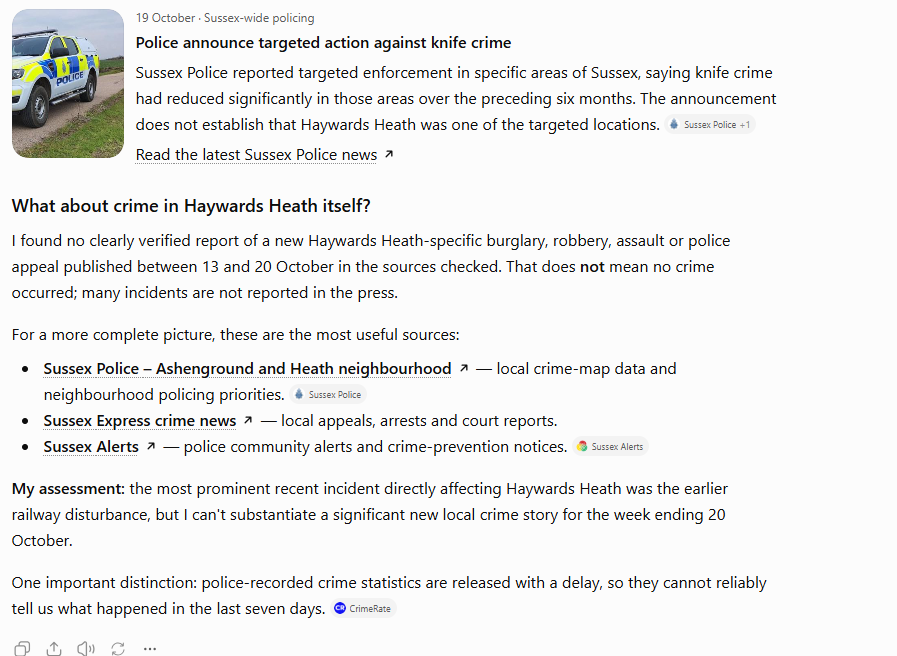
Start with unemployment. On Friday, the Labor Department reported that the unemployment rate held steady in April at 4.3%. That is low historically, but notably above the multidecade low of 3.4% it hit three years earlier.

In the nearly 80 years the Labor Department has been keeping records, whenever the unemployment rate has made a clear turn higher, a recession has always followed. “We’ve never had a period before where the unemployment rate has sort of just slowly increased for three years,” said Harvard University economist Lawrence Katz.
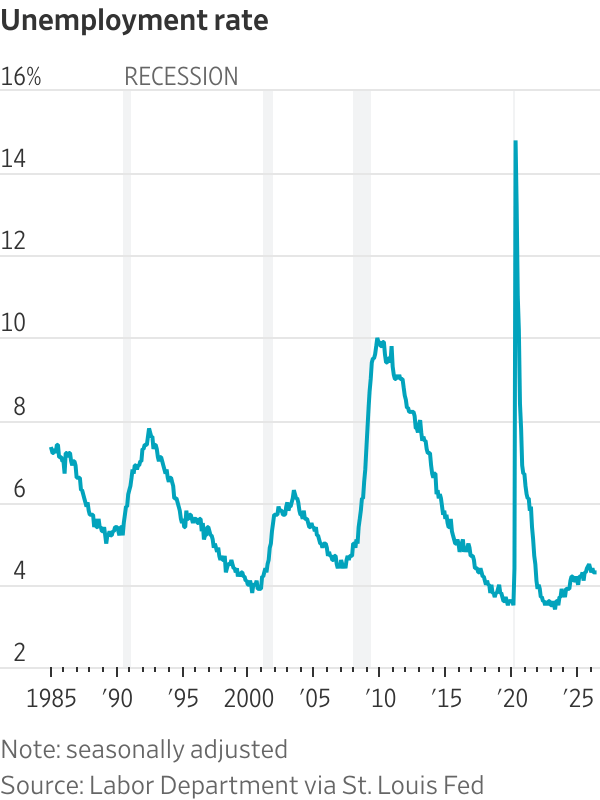
Meanwhile, there have been some eye-catching layoffs from companies like Meta. According to outplacement firm Challenger, Gray & Christmas’s tally, announced job cuts in the tech sector ran 33% higher in the first four months of this year versus last year.
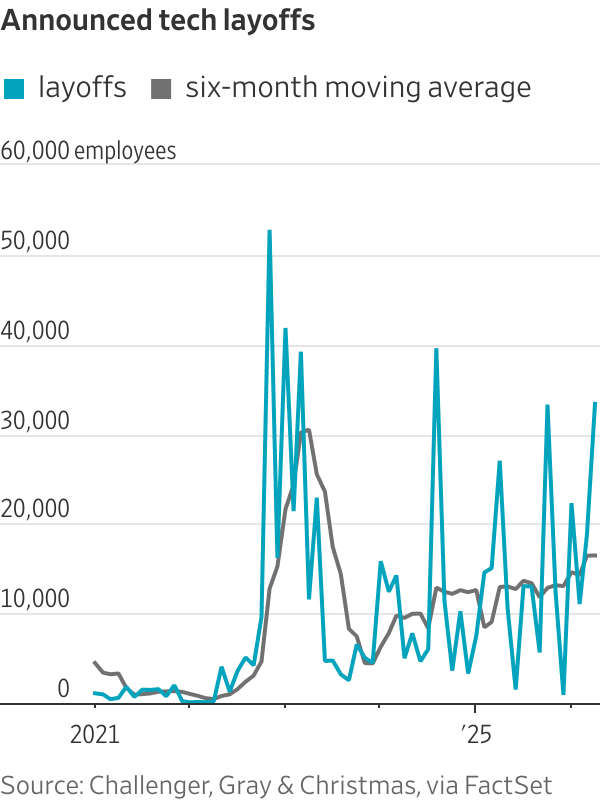
But overall, big, private-sector layoff announcements so far this year have been cooler than last year. More important, broader measures of firing activity, such as the monthly layoff figures the Labor Department gathers and the notices employers are required to file before doing large job cuts, have been running cool.
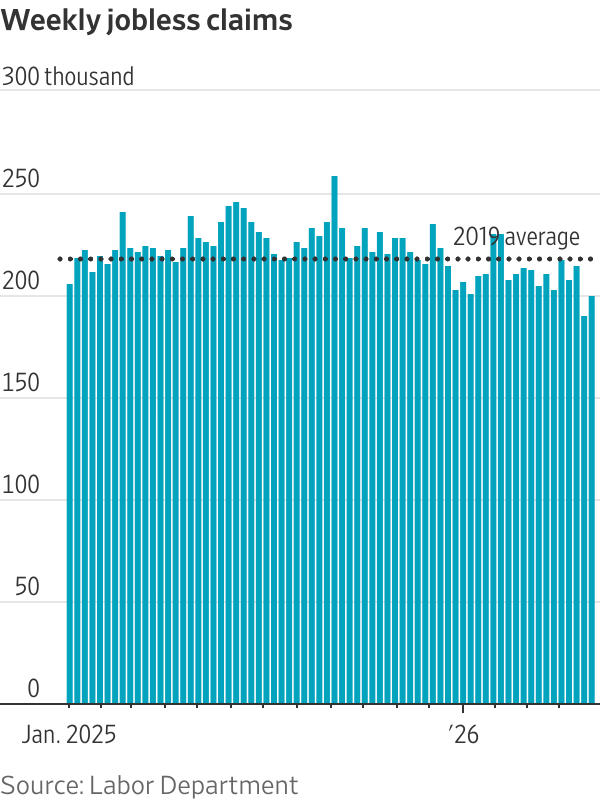
Then there are the weekly initial jobless claims figures. These typically turn sharply higher when the labor market deteriorates, providing an early indication that trouble is coming. They have remained remarkably low. On Thursday, the Labor Department reported a seasonally adjusted 200,000 new claims were filed for unemployment benefits in the week ended May 2. By comparison, claims averaged about 218,000 during the prepandemic year of 2019, when the job market was unambiguously strong.
The slow pace of firing has been paired with a low rate of hiring, however. Confusion about what is going on in the economy as a result of tariff actions and, more recently, the war in Iran, could be playing a part there. So could the evolution of artificial intelligence, which could be making employers uncertain about what the shape of their workforces will look like in the years ahead.
The result has been a job market without much movement. The sum of job separations (which includes people leaving their job for any reason) and hires as a share of overall employment is well below where it was before the pandemic hit.
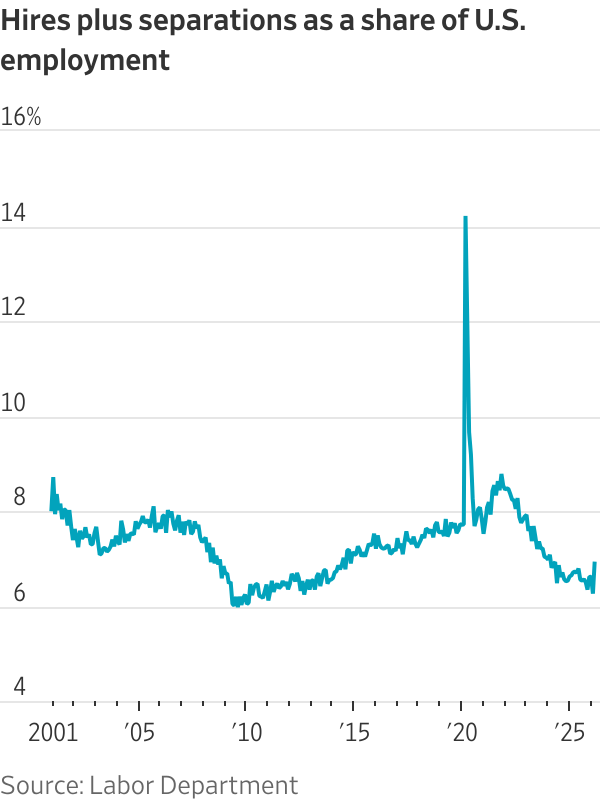
The low rate of hiring and firing isn’t a problem if you are secure in a job you like. But for people entering the labor force, like new high-school and college graduates, it is daunting. Workers trying to find better jobs are probably also out of luck.
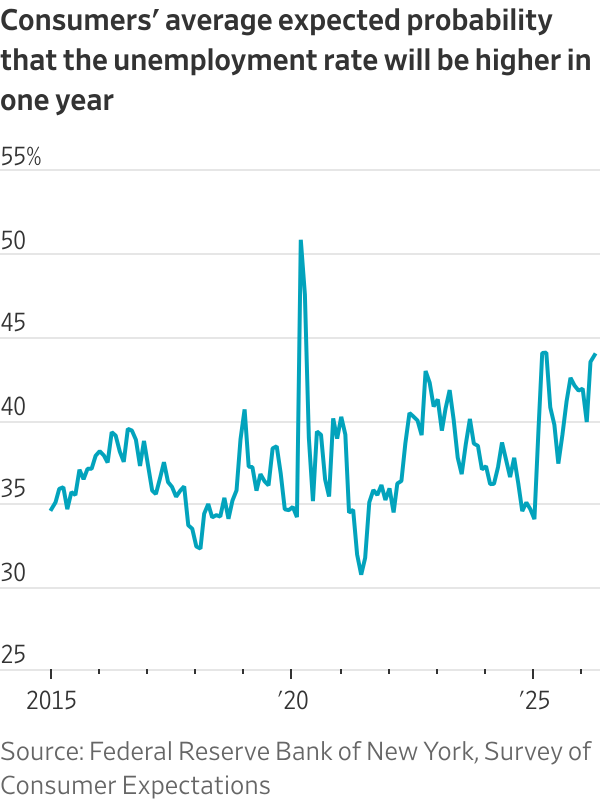
It’s a dynamic that could be feeding into dissatisfaction with the job market—and a sense that it is getting worse. The New York Fed reported Thursday that, on average, U.S. consumers it polled in April put a 44% chance on the unemployment rate going higher over the next year. That was just fractionally lower than April of last year, when tariff concerns were at the fore.
The slow pace of hiring might not just reflect a lack of demand from employers, however, but also a lack of supply. America’s population is aging and, with the youngest baby boomers turning 62 this year, more people are entering their retirement years. Layer on top of that sharp immigration restrictions, and the country isn’t adding a lot of potential workers. The Congressional Budget Office estimates that the population between the ages of 25 to 64 will actually edge lower this year, and will grow only slowly in the years ahead.
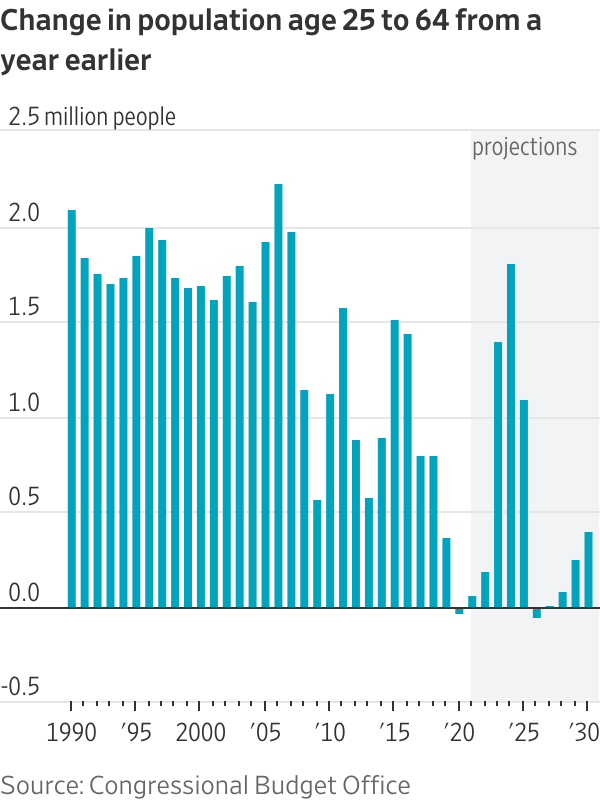
As a result, what counts as a “good” jobs report might need to be redefined. With less population growth, the economy can get by with fewer new jobs each month without unemployment rising.
One consequence of that: Months when the economy happens to lose jobs, such as February, could be an increasingly frequent occurrence that doesn’t necessarily signal the labor market is in trouble.
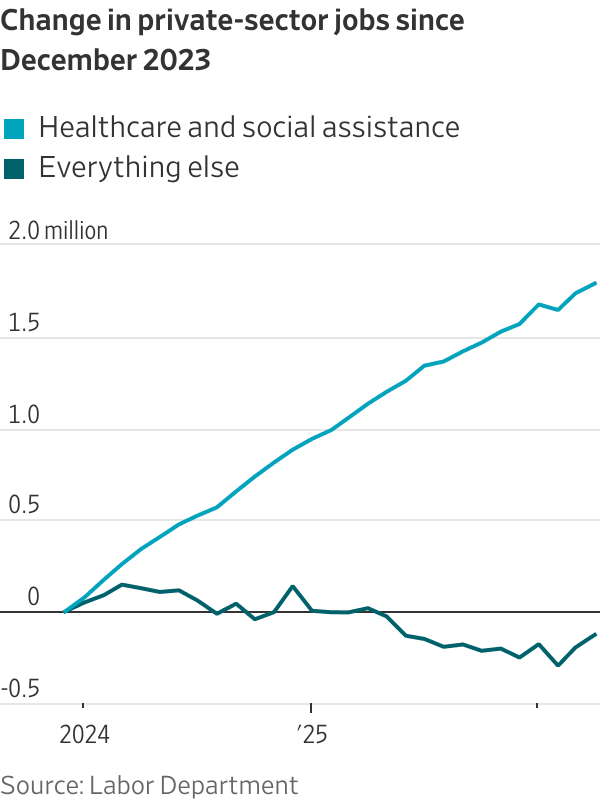
Nor should it be all that surprising if some sectors happen to shed jobs—especially considering that one sector is vacuuming up so many workers. Since the end of 2023, healthcare and social assistance has added nearly 1.8 million private-sector jobs. Outside of that, private-sector jobs have fallen by 127,800.
Write to Justin Lahart at Justin.Lahart@wsj.com