Check out what’s clicking on FoxBusiness.com
The year-end festive season brings a unique aura to the stock market landscape, ushering in a blend of holiday cheer and distinctive market behaviors. As Christmas and New Year’s approach, the stock market undergoes a subtle transformation marked by reduced trading volumes, year-end portfolio adjustments, and a touch of holiday sentiment influencing investor behavior.
This period encapsulates a mix of tradition and finance, showcasing a market rhythm affected by both celebratory spirit and strategic financial maneuvers. Understanding these changes offers insights into the interplay between holiday festivities and market dynamics during the Christmas and New Year’s week.
- Reduced trading volumes
- Year-end adjustments and positioning
- Holiday sentiment and market behavior
- Economic indicators and year-end reports
- Trading hours and market closures
- Uncertainty and eventual return to normalcy
US CONSUMER ‘CAUTIOUS’ ABOUT WHERE TO GET ‘BEST BUY’ FOR HOLIDAYS: NANCY LAZAR
1. Reduced trading volumes
During the Christmas and New Year’s week, trading activity tends to slow down significantly. Many traders and investors take time off to celebrate the holidays, leading to decreased liquidity in the markets. Lower trading volumes can result in increased volatility, as there are fewer market participants to absorb sudden buying or selling pressures.
2. Year-end adjustments and positioning
As the year draws to a close, institutional investors and fund managers often engage in what’s known as “window dressing.” This involves adjusting their portfolios to showcase strong-performing assets to their clients or stakeholders. They might sell underperforming stocks or rebalance their portfolios to enhance their year-end performance reports. These adjustments can lead to price movements in certain stocks or sectors.
Traders work on the floor of the New York Stock Exchange on Oct. 20, 2023, in New York City. (Getty Images / Getty Images)
3. Holiday sentiment and market behavior
The market sentiment during the holiday season can be influenced by emotions associated with Christmas and New Year’s celebrations. Positive sentiments or seasonal optimism may prevail, contributing to a “Santa Claus rally,” where markets tend to show strength or experience a modest increase in prices in the last few trading days of the year. However, this is not a guaranteed phenomenon and does not occur every year.
4. Economic indicators and year-end reports
Economic data releases and year-end reports can also impact market movements during this time. Investors may pay attention to any significant economic indicators, earnings reports or year-end reviews that could influence their investment decisions for the upcoming year.
THE MARKETS AND THE NEW YEAR HOLIDAY
Institutional investors and fund managers often engage in portfolio adjustments toward the year’s end, potentially affecting stock prices. If a stock has performed well during the year, there might be profit-taking or rebalancing, influencing its price.
5. Trading Hours and market closures
It’s important to note that stock exchanges often operate on modified schedules around the Christmas and New Year’s holidays. Some markets may close early or remain closed on certain days, leading to shorter trading hours and potentially lower market activity.

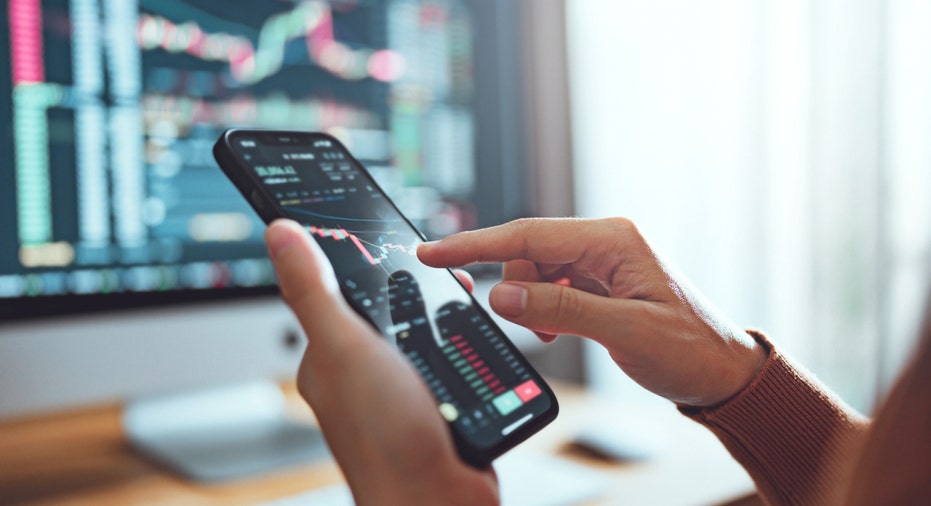
A person uses a tablet to view the latest stock market trends. | iStock
6. Uncertainty and eventual return to normalcy
The period between Christmas and New Year’s Day often embodies a sense of uncertainty in the markets due to reduced participation and potential year-end adjustments. However, once the holiday season concludes and traders return to their desks in the new year, markets tend to resume normal trading patterns, with increased volumes and a clearer focus on economic and corporate developments.
CLICK HERE TO GET THE FOX NEWS APP
The stock market during the Christmas and New Year’s week can exhibit reduced trading volumes, potential year-end adjustments, and holiday-induced sentiment affecting market behavior. Investors should be mindful of these factors and the potential impact they might have on short-term market movements while keeping a long-term investment perspective.