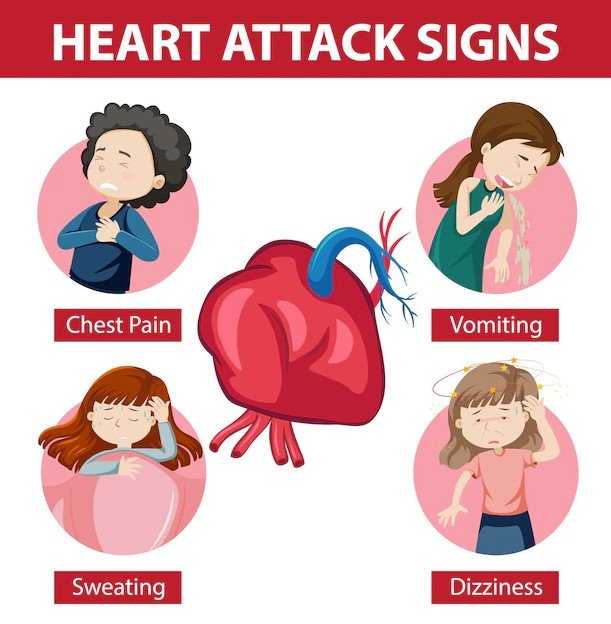
In March 2026, a study was published in the ‘European Journal of Preventive Cardiology’. According to it, just 11 minutes more sleep and 5 minutes of extra exercise daily can reduce the risk of heart attack and stroke by up to 10%.
According to BW Healthcare’s report ‘Beat by Beat 2025’, 20% of heart attack deaths worldwide occur in India. This means we need to be more vigilant. This means we need to be more vigilant.
Therefore, in today we will talk about the new study on heart disease. We will also know-
- How much sleep is necessary for a healthy heart?
- What to do for good and deep sleep?
What has been revealed in this new study related to heart health?
The main findings of this study are-
Heart attack and stroke risk will be 10% lower, if-
- Sleep 11 minutes more daily.
- Exercise 5 minutes extra.
- Include more vegetables in your diet.
- Direct connection between heart health and lifestyle
- Sleep, diet, and exercise all have a direct impact on heart health.
- Small changes in lifestyle also make a big difference.
- 8-9 hours of sleep daily, regular exercise, and a balanced diet can reduce the risk of heart disease by up to 57%.
How does just 11 minutes of extra sleep reduce the risk of heart disease?
11 minutes is not a magical number, but it starts a ‘positive chain reaction’ in the body. This leads to the following changes-
Improvement in Blood Pressure- During sleep, the body goes into ‘nocturnal dip’ (BP reduction) mode. 11 minutes of extra sleep gives the heart’s blood vessels more time to relax.
Reduction in Stress- A little extra sleep reduces stress. This lowers the stress hormone ‘cortisol’, which reduces pressure on the heart.
Sugar Control- This improves ‘insulin sensitivity’ and reduces the risk of diabetes and heart disease.
Hormonal Balance- A little extra sleep controls ‘ghrelin’ (the hunger-inducing hormone), which helps keep weight in check.
Cell Repair- The body gets more time to repair damaged cells and tissues.
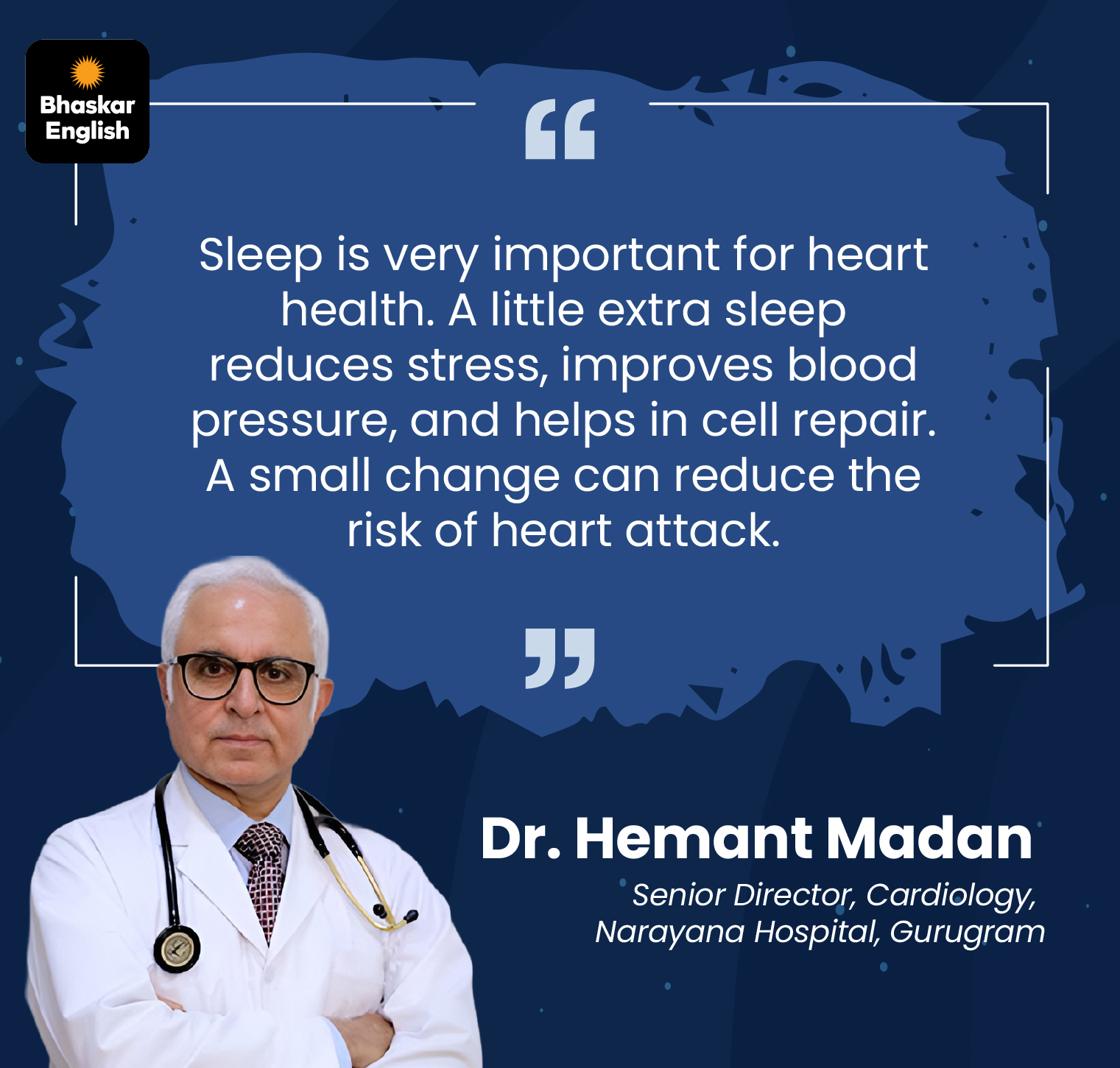
How can increasing sleep duration by just 11 minutes be beneficial?
If someone sleeps for 4-5 hours, their sleep quality is poor. In such a case, an extra 11 minutes of sleep will not provide immediate benefit. The point to understand is that-
- 11 minutes is not a miraculous number.
- Research says that even minor improvements can yield big results.
- 11 minutes of extra sleep helps the heart work better, improves metabolism, and the body functions better.
- More benefits are gained from 8 hours of good sleep daily.
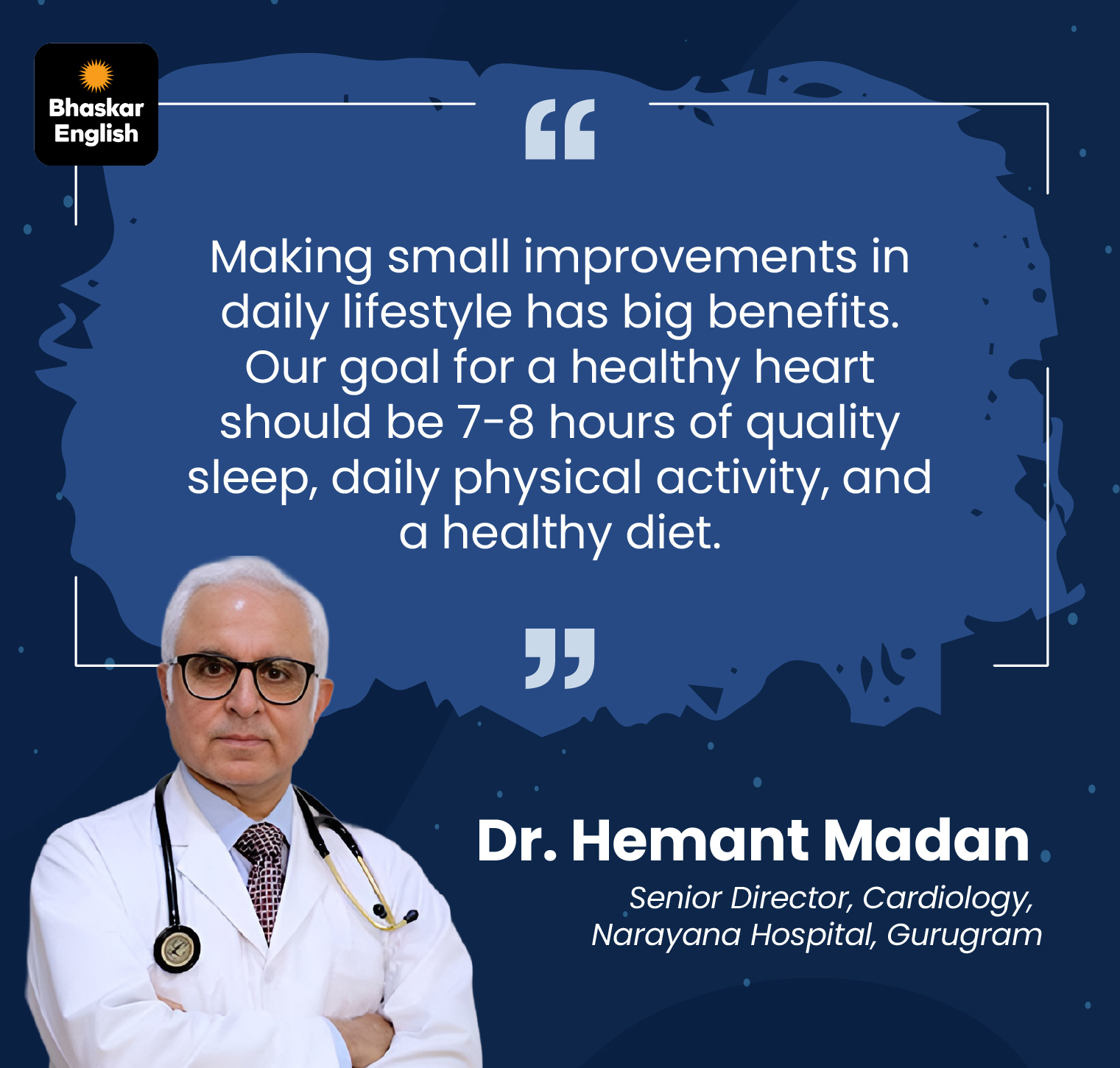
How much sleep is recommended as best for heart health in research?
According to research, 8-9 hours of sleep daily is necessary for a healthy heart. If someone doesn’t sleep that much, increasing sleep by 10-15 minutes daily can also be beneficial.
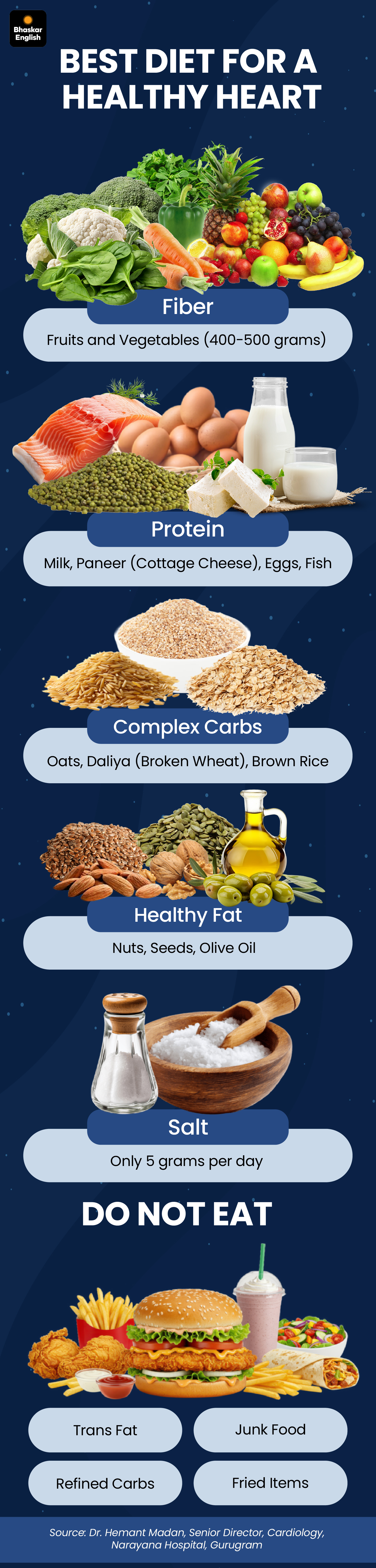
Besides sleep, what changes should be made to the diet to keep the heart healthy?
Good sleep alone is not enough. The food on your plate also affects heart health. According to a new study, extra fiber and vegetables can reduce the risk of heart attack. Make these changes to your diet for a healthy heart-
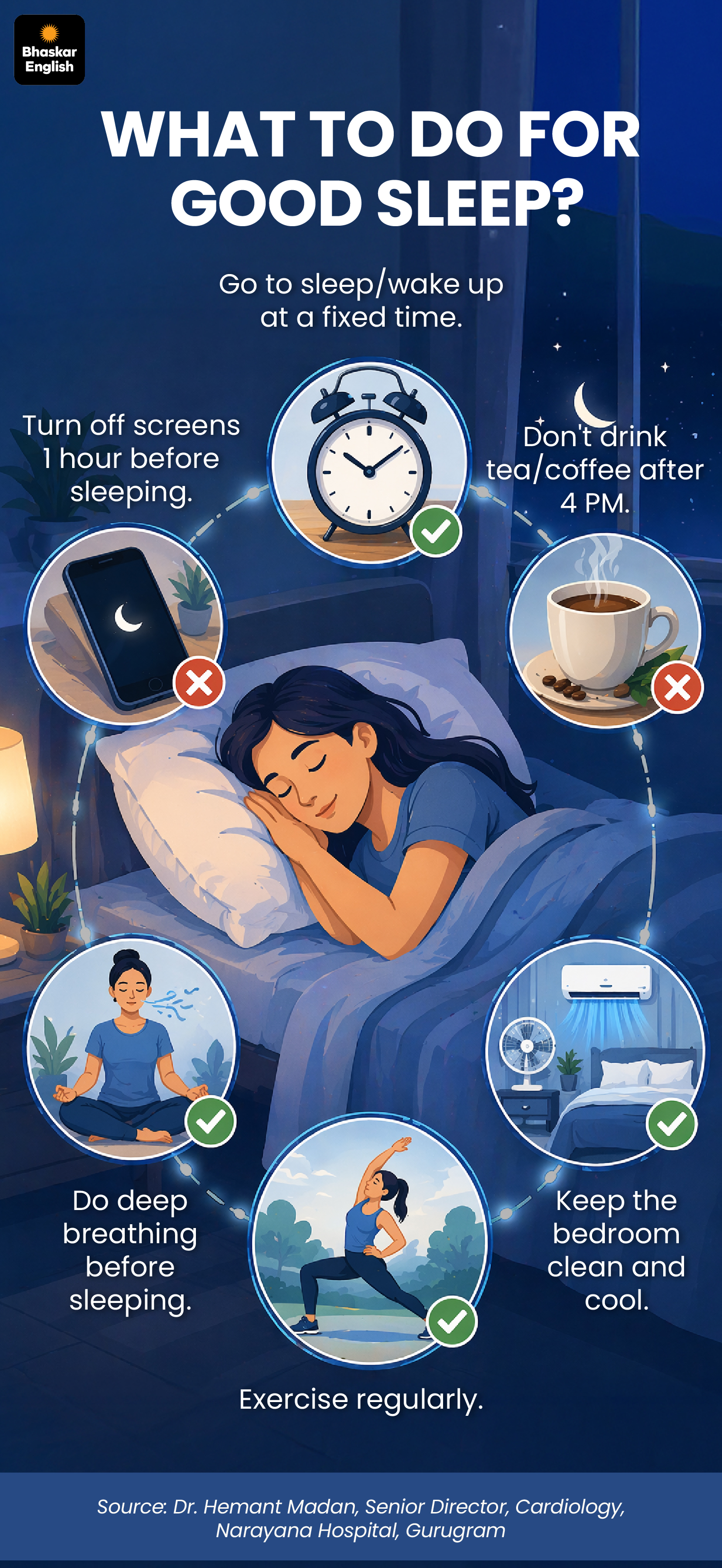
What to do before sleeping for good and deep sleep?
Along with the ‘duration’ of sleep, ‘quality’ is also important. If you spend 8 hours in bed, but your sleep is repeatedly interrupted, your heart does not get rest. To get deep sleep, it is important to follow a ‘sleep hygiene’ routine-
Common Questions and Answers Related to Sleep and Heart Health
Does even just 15-20 minutes of walking reduce the risk of heart disease?
Yes, it does. With light walking
- Blood circulation improves.
- Heart muscles remain active.
- Helps in controlling blood pressure.
- Cholesterol balance improves.
- Gradually, the risk of heart disease decreases.
Does the risk of heart attack increase with weight gain?
Yes, it increases pressure on the heart-
- Excess fat puts pressure on arteries.
- Bad cholesterol increases.
- Insulin resistance increases.
- Blood pressure can be high.
- This increases the risk of heart attack.
Does increased mobile and screen time also increase the risk of heart disease?
Yes, it affects heart health-
- Excessive screen time reduces physical activity.
- Sleep patterns are disturbed.
- Stress and heart rate can increase.
- It puts pressure on the eyes and brain.
Does sitting for too long also have a bad effect on the heart?
Yes, a sedentary lifestyle directly increases the risk –
- Prolonged sitting slows down blood flow.
- Fat accumulates.
- Metabolism slows down.
- Sugar and cholesterol levels are affected.
- The risk of heart disease may increase.