Updated April 6, 2026, 9:30 a.m. ET
- Some American travelers are concerned about upcoming international trips due to geopolitical tensions and domestic issues.
- Factors causing concern include the war in Iran, a U.S. State Department worldwide security alert, and the recent government shutdown’s impact on airport security.
- Despite the concerns, some travelers are proceeding with their plans, citing the importance of family and cultural experiences.
Every July, Bridget Shirvell and her 7-year-old daughter go on a monthlong international trip together. But the current political climate gave the mother pause about continuing the annual tradition.
The writer and environmentalist had booked the trip to Lake District – the United Kingdom’s largest national park and a UNESCO World Heritage. The location holds a special place in their hearts as the destination of their first annual trip when Shirvell’s daughter was 3 years old. Previously, they’ve been to New Zealand and Nova Scotia.
“I booked those tickets back in November and even then I was like a little nervous about it,” Shirvell told USA TODAY. “I guess, just overall political climate and what people think of Americans.”

When the Iran war broke out, travel was disrupted beyond just the Middle East. Travelers were told to shelter in place or were stranded by canceled flights. For safety reasons, Shirvell said she hesitated again over her summer travel plans.
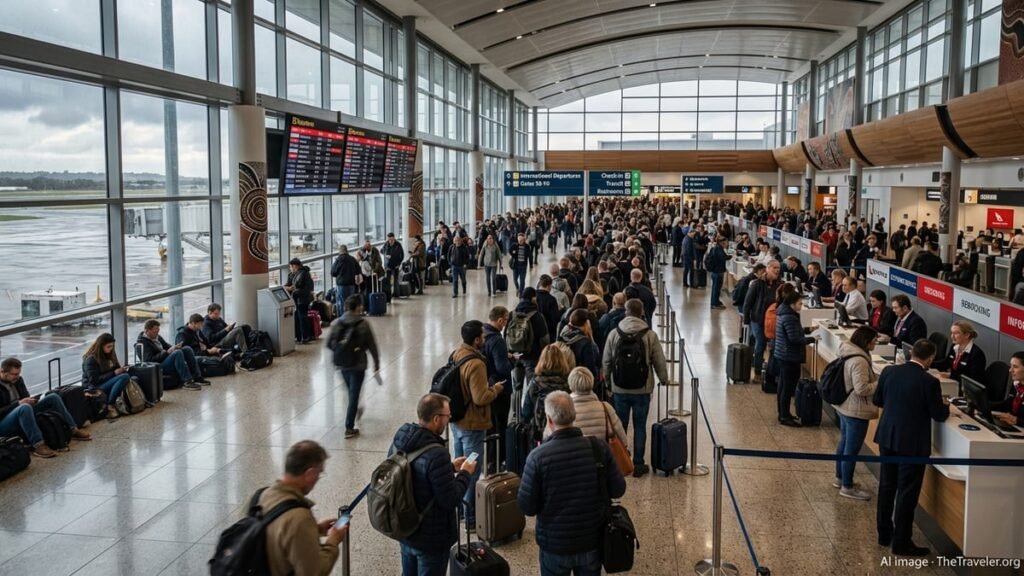
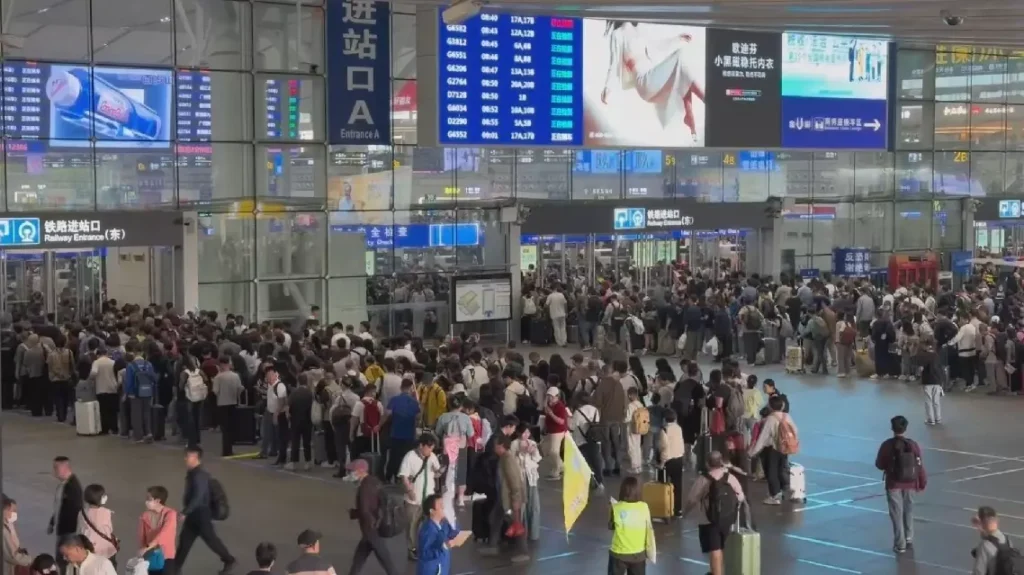
The recent snarl for U.S. travelers was the strain on Transportation Security Administration staffing caused by the partial government shutdown. With TSA workers going weeks without pay, the highest level of absences led to the longest security checkpoint lines. After President Donald Trump signed a decree on March 27 to redirect federal funds to provide back pay to TSA workers, airport lines returned to normal. It’s unclear how long this temporary relief will last.

Shirvell said she’s planning to continue her trip, hoping government funding is clearer by July. On April 2, Congressional Republicans announced a new deal to be voted on in the U.S. House, but there’s still no clear end to the longest partial shutdown in history. She’s monitoring the news to make the final call. “If the war escalated into other countries and to the point where I didn’t feel safe traveling, that would probably be what I would reconsider,” she said.
Travel feels like it’s up in the air for many Americans. From the war in Iran to the government shutdown and a worldwide security alert from the State Department, people are being forced to weigh multiple factors when it comes to their 2026 travel plans – and many are concerned if it’s worth the risk. In a March 2026 survey by Squaremouth, 56% of Americans said they’re worried about their summer trips being disrupted.
According to the National Travel and Tourism Office, the latest data show a continued imbalance between international travel to and from the United States, with Americans traveling abroad in greater numbers than foreign visitors arriving.
In the first two months of 2026, international departures by U.S. citizens were slightly higher compared to the same time period in 2025 – up 1.4% in January and 1.5% in February, according to data by the U.S. Department of Commerce’s International Trade Administration.

Conversely, roughly 5.85 million international travelers visited the U.S. in October, a 5.7% year-over-year decrease.
NTTO data also show that Mexico, Canada and the Caribbean remain the top destinations for U.S. travelers, while the largest sources of inbound visitors to the United States include Mexico, Canada, the United Kingdom, Germany and South Korea.
With the state of travel in flux, some Americans are forging on with their travel plans, while others are slashing theirs.
Fears leading to a travel slowdown
After news of rising airfare costs and geopolitical tensions potentially leading to security risks like sleeper cells, the shutdown’s airport chaos was the nail in the coffin for Americans who are outright canceling their trips.
“Traveler anxiety is a real and growing concern, and our new data shows it has become a decisive issue for American voters,” the U.S. Travel Association acknowledged in a statement to USA TODAY.
Transatlantic travel demand for the summer is on the decline, according to aviation analytics company Cirium. Expedia found similar data, with July 2026 bookings from the United States to Europe down 11.19% based on data from Oct. 7, 2025, to March 14.
For nonprofit consultant and cultural writer Dawn Montgomery, travel is an inherent part of her job. She finds herself flying around the country for consultations up to twice in one week. In February alone, the Atlanta professional took 10 work trips. In mid-March, she cut her April trips from eight to just three – a “big jump,” as she put it.
The decision came in mid-March after catching inklings of the shutdown’s impacts. She noticed Hartsfield-Jackson Atlanta International Airport wasn’t allowing her through the international terminal’s security checkpoint line for her domestic flight – her favorite travel hack for a shorter line. It also took her much longer than usual to get through airport security, even with TSA PreCheck and Touchless ID.

“Intuitively, I think because I do travel so much, you can tell when something’s off,” Montgomery said. “You can tell the energy around a particular airport you frequent.”
She started canceling upcoming domestic trips and soon after, saw the hours-long airport lines on the news. “That’s when I started seeing posts of the lines being like hours and hours on end, and I was like, there’s no way I’m going to the airport to do that,” she said. Her decision only solidified on March 29 when the president sent U.S. Immigration and Customs Enforcement officers to 14 airports to alleviate congestion.
She’s pivoted her consultations online or within driving distance, adding that she feels privileged to work remotely while the TSA workers’ livelihoods remain impacted by the longest partial shutdown in history. “This shouldn’t even be a thing,” said Montgomery.
With her trips canceled through June, Montgomery is worried about the next time she’ll see her son, who’s stationed at the Air Force Base in Aviano, Italy. Typically, she visits him once a year, cashing out miles compiled from work trips.

‘You can’t avoid it’
Not everyone is giving up their travel plans; finding that reasons to continue with their plans outweigh the negatives. Instead, they’re adapting as necessary.
Athar Khan, a California-based attorney, and his family have three upcoming trips, including a Caribbean cruise that departs from Florida in early April. Khan said they plan to arrive at Los Angeles International Airport at 6 a.m. for their noon flight to avoid any issues at the airport.
They also have plans to visit his partner’s family in Russia in June and his own parents in Pakistan in July, with connections in Turkey and Dubai, respectively. As long as their flights aren’t canceled, the family’s planning to take them.
“There’s always something going on there, you can’t avoid it, you know?” he said. “If I waited for the perfect timing, I would never go.”
Spending time with his aging family members, along with his teenage children, outweighs any worries. “These are kind of our last few summers together,” he said. “It’s not like we can postpone it and still have them be kids. We only have so much time with our kids before they go off.”
Shirvell held a similar sentiment, with travel especially important for families with kids. “If you feel like you can do it and you feel safe, I just think exposing (children) to different cultures and people that are different from them is just a really good kind of skill to have.”