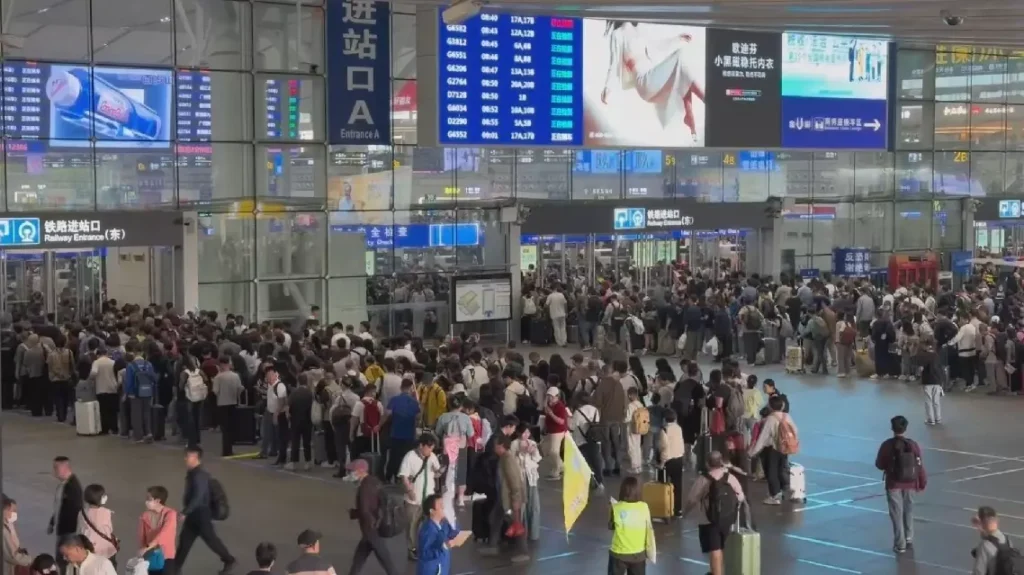
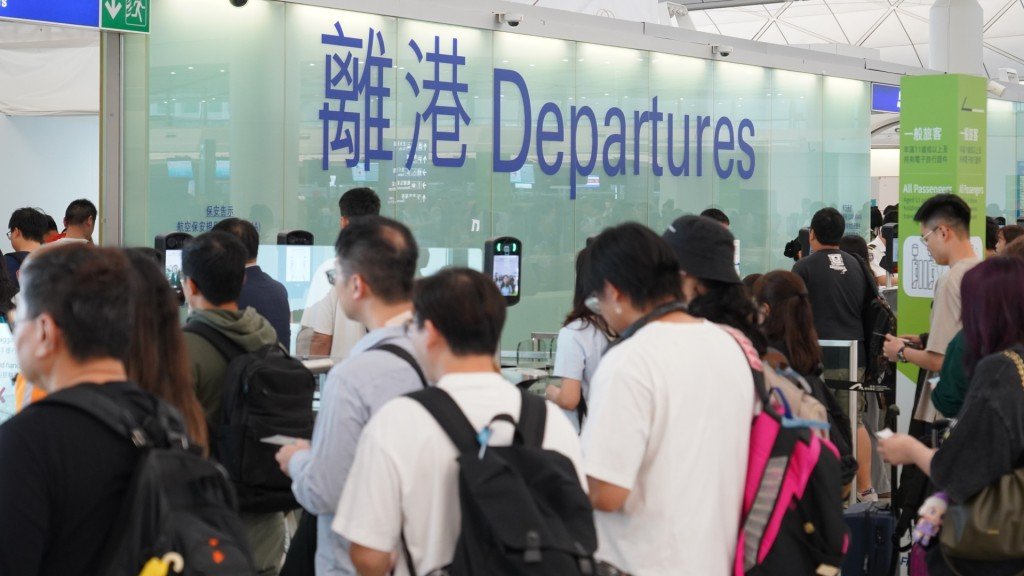
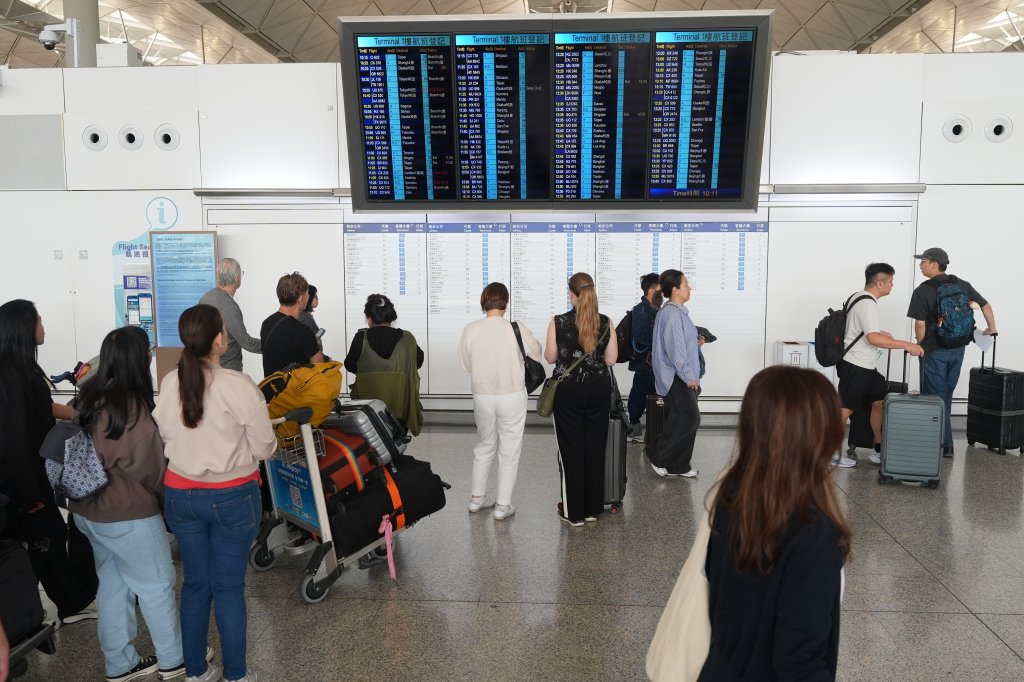
China’s transportation system increased capacity on Monday, the last day of the three-day Qingming Festival holiday, to handle the peak in return trips.
The Qingming Festival, or Tomb-Sweeping Day, falls on April 5 this year. It is a traditional Chinese festival for people to pay tribute to the dead and worship their ancestors. The holiday also provides a short break for people as they engage in travel and leisure.
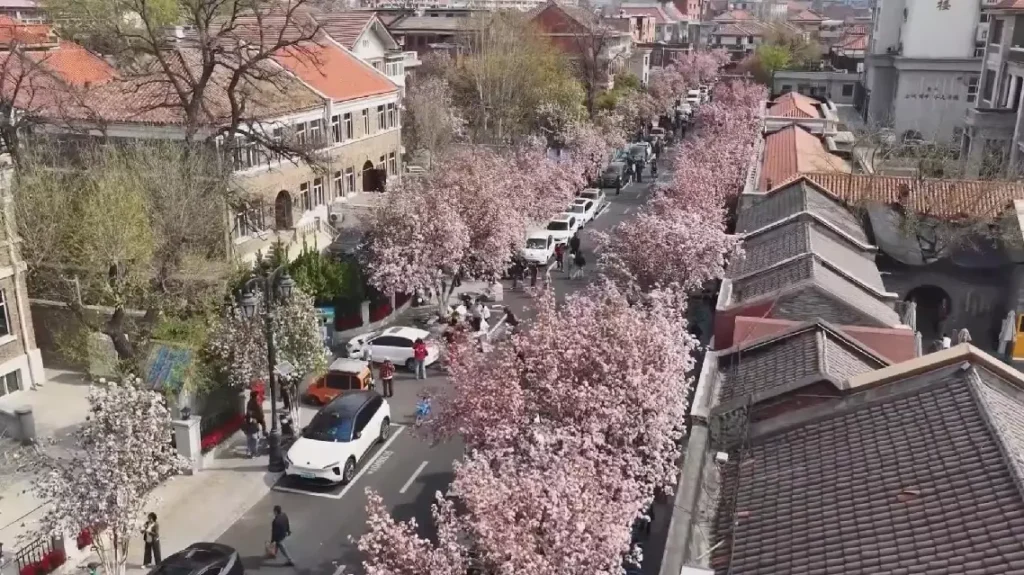
This year’s Qingming Festival holiday coincides with the spring breaks at some schools. Travel demand for family visits, tomb sweeping, spring outings, and sightseeing have remained strong throughout the break.
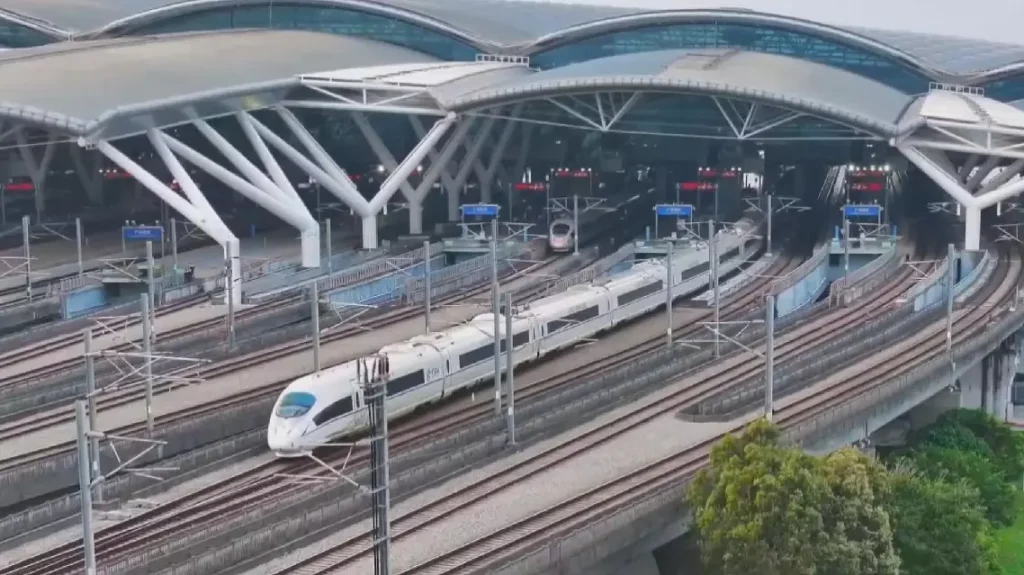
China’s railway system is set to see a peak in return travel with the nationwide railways expecting to handle 20.8 million passenger trips and 1,369 extra passenger trains scheduled to be added.
The expressways across China are seeing a minor peak in return trips on Monday. The total number of vehicle trips is expected to reach around 61 million.
Waterway passenger volume is projected to hit over 1.11 million trips on Monday. During the whole Qingming Festival holiday, China’s waterways are expected to carry out more than 3.7 million passenger trips.
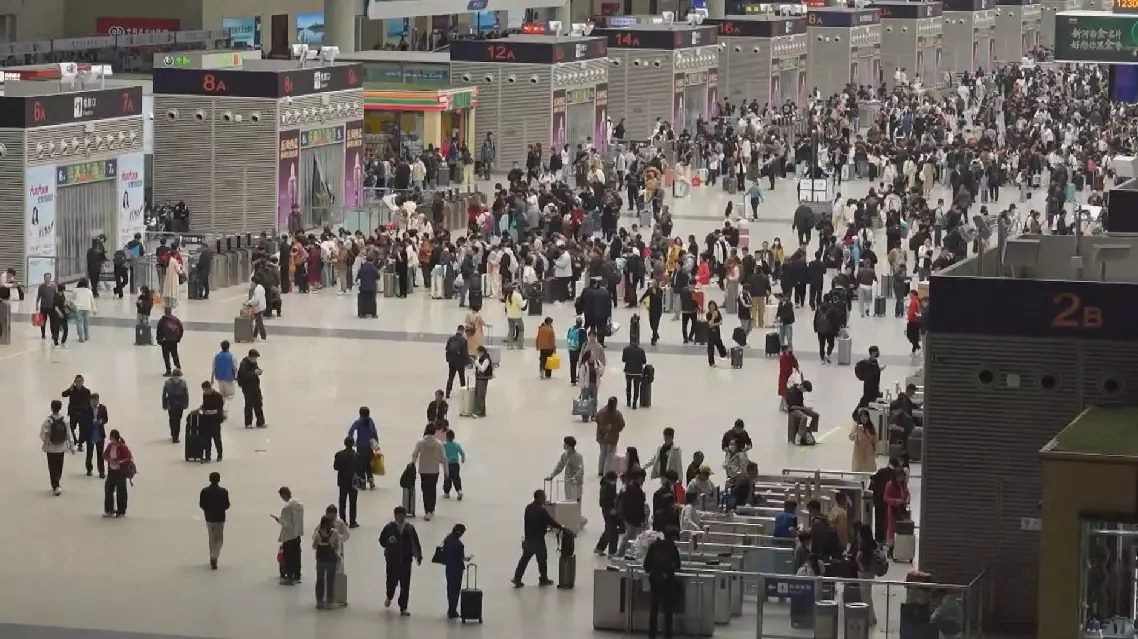
China’s transportation system increases capacity to handle last day of Qingming Festival holiday
About 840 million cross-regional passenger trips are estimated in China during the three-day Qingming Festival holiday which started on Saturday, a 6-percent increase compared with the same period of last year.
On the first day of the holiday alone, over 300 million cross-regional passenger trips were made, marking a 4.5-percent increase compared with the same period of last year. Notably, railway and expressway passenger volumes both hit record highs on the same day.
China’s railway system is expected to handle 20.8 million passenger trips on Monday, the last day of the holiday, and the transportation sector has planned to operate an additional 1,369 passenger trains.
Railway authorities in cities such as Zhengzhou, Changchun, Wuhan, and Xi’an have added extra passenger trains, using a coupling mode for EMUs and supplementing with ordinary trains to meet the surging demand.
Many tourists choose to travel by car, as all expressways are toll-free for vehicles with up to seven seats during the holiday. As a result, expressways across the country, especially those in the Guangdong-Hong Kong-Macao Greater Bay Area and the Yangtze River Delta region, have witnessed surging traffic on Monday, with the toll-free period expected to end at midnight (24:00).
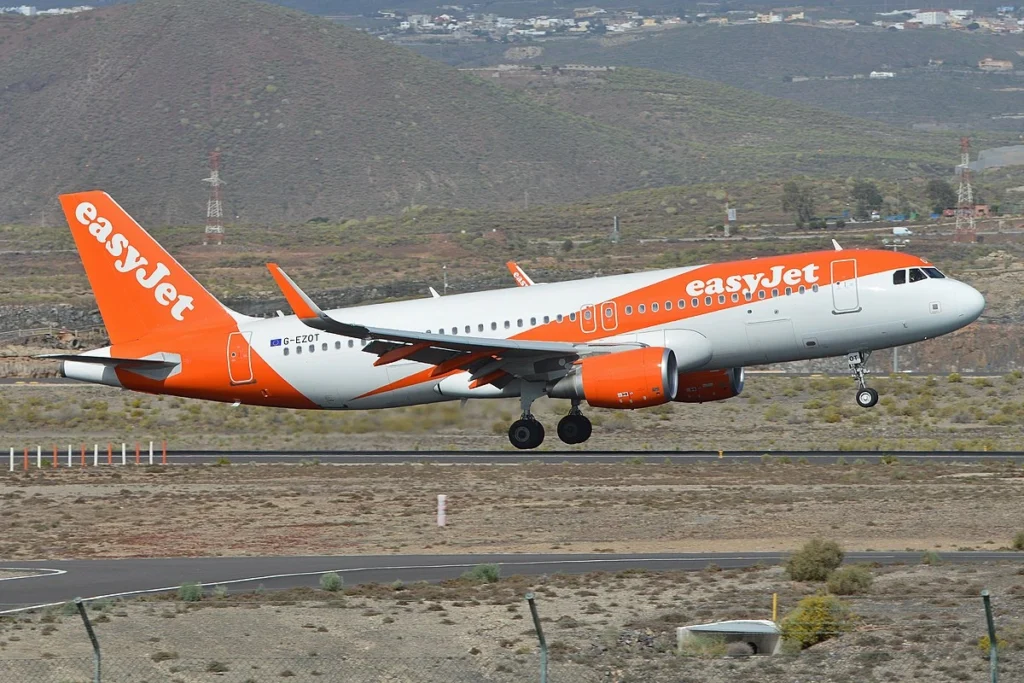
The civil aviation sector is expected to welcome 1.94 million passengers on the same day, and waterways are estimated to handle over 1.11 million passenger trips.
“On the first day of the holiday, the expressway network handled 62.67 million vehicle trips, including 14.68 million new energy vehicles. The surge in self-driving travel and cultural tourism consumption drove double-digit growth in spending at scenic spots, hotels, and car rentals. In addition, returning to hometowns for tomb-sweeping activities and in-depth rural tours have also brought vitality to rural areas, promoting the spread of consumption from central cities to rural areas,” said Yang Yong, deputy head of the Transport Services Department of the Chinese Ministry of Transport.
Falling on Sunday this year, the Qingming Festival, or the Tomb-Sweeping Day, is a traditional Chinese festival for honoring the deceased and paying tributes to ancestors. The three-day holiday also provides a short break for Chinese citizens to enjoy outdoor activities and sightseeing in pleasant springtime temperatures.
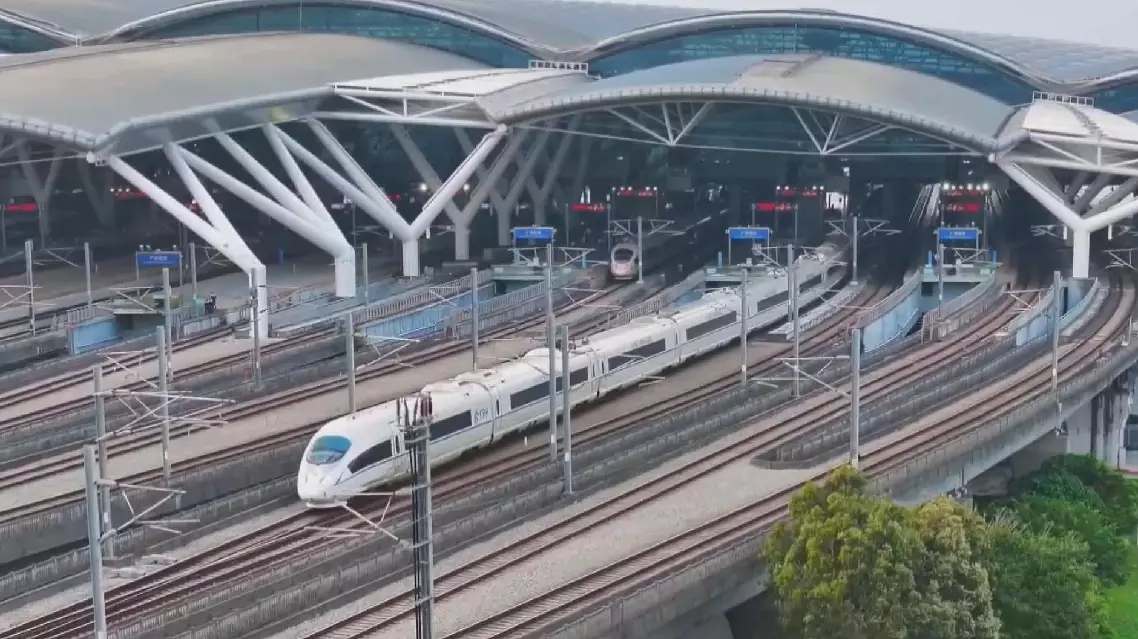
840 mln cross-regional passenger trips estimated in China during Qingming Festival holiday