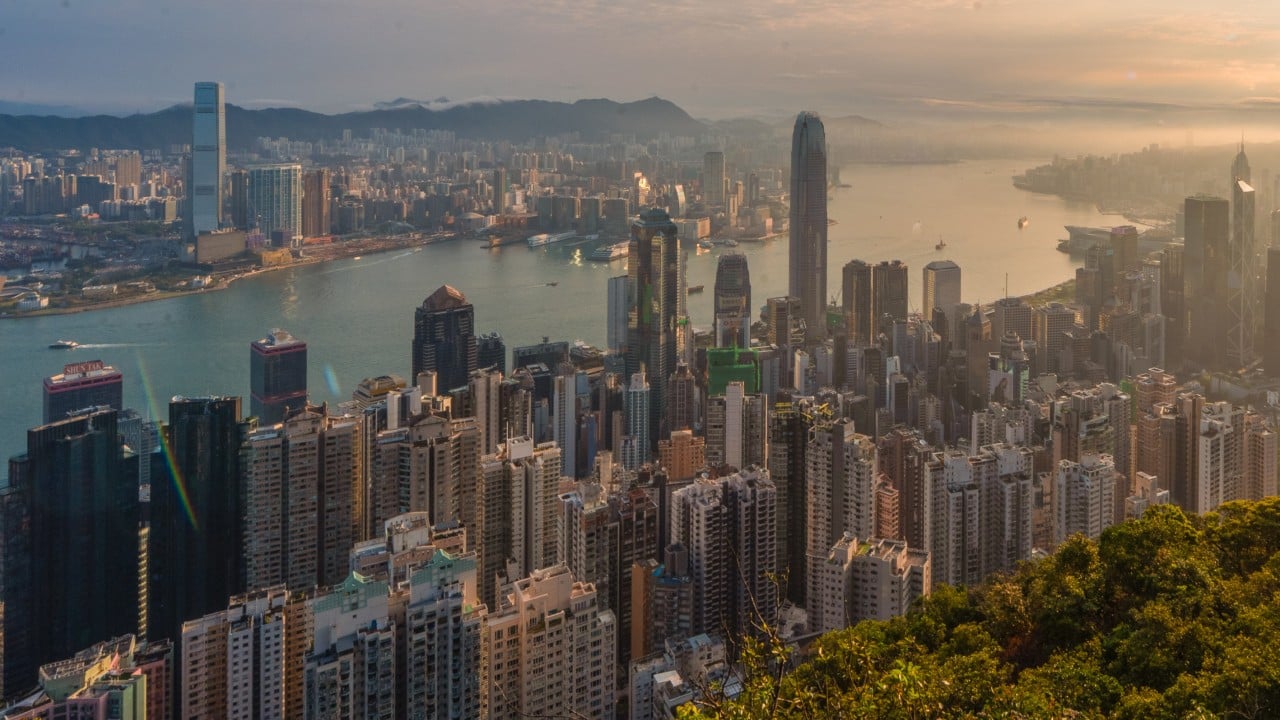
Hong Kong’s first five-year plan is expected to guide the city’s future development. Never before has the city attempted a comprehensive plan in the style of mainland China, signalling a major shift in how it approaches long‑term growth.
The real question is not why a laissez‑faire economy must adopt a new model but how this transformation will unfold. This exercise is unprecedented on multiple fronts.
First, it departs from Hong Kong’s long-standing reliance on market forces and incremental policy adjustments rather than centralised planning. Second, it expands the policy scope to cover not only economic growth but also innovation, housing, education and integration with national strategies.
Third, it represents strategic repositioning. Hong Kong is not simply aligning with mainland governance models; it is seeking to capitalise on the best of two worlds, preserving its open, international identity while learning from the mainland’s experience in long‑term planning and development.
Hong Kong’s five-year plan is part of China’s broader strategy to transform the city from its traditional role as a superconnector into a super strategic hub, serving the nation more effectively in the midst of rapidly changing geopolitics. Without a deep understanding of this role shift, Hong Kong will not meet Beijing’s expectations and may also disappoint its own citizens.
The operative words now are innovation and experimentation. Hong Kong should both preserve its established advantages and reposition itself at the frontier of China’s national priorities. Two areas illustrate this transformation: Hong Kong’s future as China’s financial power accelerator and its emergence as China’s global research hub. Together, these roles can enable Hong Kong to evolve from a connector of global capital into a driver of China’s ascent as both a financial and technological superpower.
Visited 1 times, 1 visit(s) today