Iran’s foreign minister Abbas Araghchi on Saturday said his country never refused mediation talks in Islamabad, after reports emerged that the initiative to facilitate talks by Pakistan had run into an obstacle.

In a post on social media platform X, Araghchi said that Iran’s position is being misrepresented in US media. He expressed gratitude towards Pakistan for its efforts, adding, “We have never refused to go to Islamabad.”
“What we care about are the terms of a conclusive and lasting end to the illegal war that is imposed on us,” the post read.
Also read: Pakistan fumes after reports suggest its peace bid’s collapse in Iran war: ‘Figment of imagination’
Reports claimed peace talks slowed
Earlier, claims surfaced suggesting that while some progress has been made, the momentum has slowed down due to the absence of a response from the Iranian side. The claims were published in reports from the US-based The Wall Street Journal and Pakistan-based Dawn.
Following this, Pakistan’s foreign office spokesperson Tahir Andrabi came forward and refuted such claims, calling the reports “baseless” and a “figment of imagination,” news agency PTI reported.
Andrabi said the controversy stemmed from a misreading of a background briefing held on Friday at the Ministry of Foreign Affairs.
The comment by Iran and Pakistan comes amid growing speculations of a closed-door briefing by one of Islamabad’s senior foreign ministry officials.
Also read: Race against time to find F-15 crew in Iran, video shows US choppers on search operation under fire
Pakistan’s diplomatic efforts in brokering peace
Pakistan has been making diplomatic efforts in brokering a ceasefire between the US, Israel, and Iran, but so far, there hasn’t been any success.
On Friday, Pakistan’s Foreign Minister Ishaq Dar spoke with Saudi counterpart Prince Faisal bin Farhan Al Saud and discussed the five-point peace plan proposed by Islamabad and Beijing to end the conflict in West Asia, the PTI report said.
The peace proposal was put forward after Chinese Foreign Minister Wang Yi held talks with Dar, who undertook a one-day visit to Beijing.
The war triggered by joint US-Israel strikes on Iran on February 28 continued on Saturday, with strikes targeting several sites in Iran, including a nuclear plant, a petrochemical hub, a trade terminal and a cement factory.
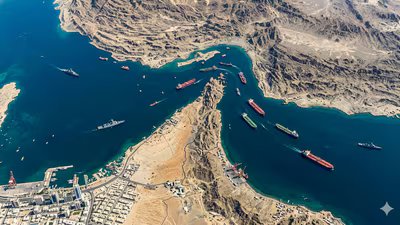
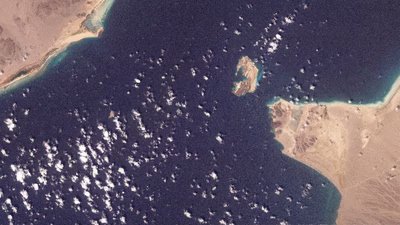
The war, which also led to the death of Iran’s Supreme Leader Ayatollah Ali Khamenei and several top commanders, has since expanded across the Gulf. Iran has retaliated with counterstrikes and disrupted energy supply chains, particularly through the Strait of Hormuz.