WTTC outlines measures to diversify markets and rebuild visitor demand
Hong Kong can strengthen its position as an international tourism destination by focusing on key source markets and broadening its appeal, according to new research by the World Travel & Tourism Council (WTTC).
The report, Travel & Tourism in Hong Kong SAR, China: Recovery, Gaps, and the Road Ahead, highlights the need for targeted promotion and diversification beyond traditional visitor segments.
Dependence on mainland China and recovery trends

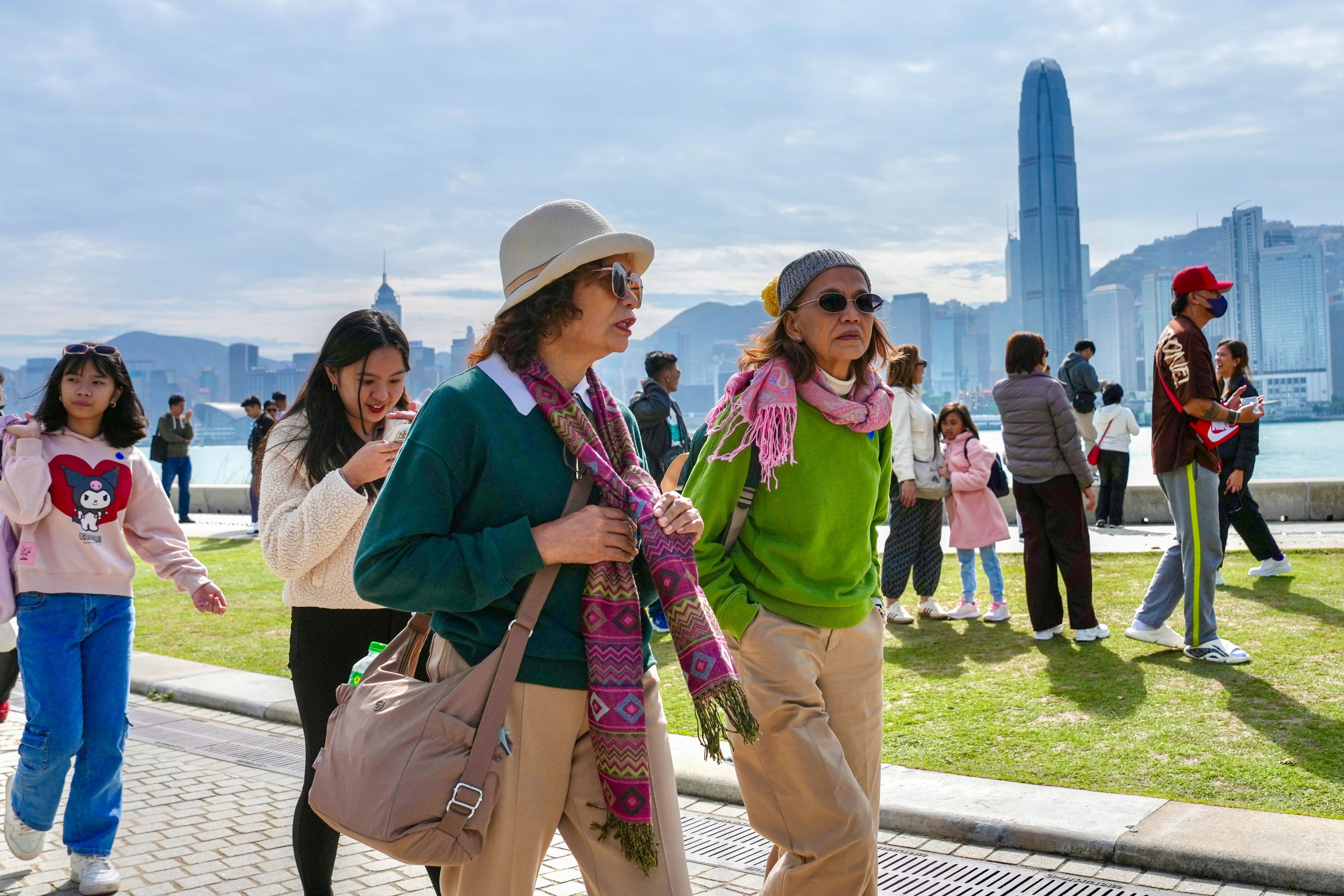
Data indicates that 76% of inbound visitors in 2025 came from Mainland China, with the remaining 24% from other international markets.
Total inbound arrivals in 2025 are estimated at 50.3 million, below the 2018 level of 65.3 million. Business travel spending also remains lower than pre-2019 levels, reflecting the impact of earlier disruptions.
Despite this, the Travel & Tourism sector continues to play a significant role in the economy, contributing approximately US$56.4 billion, or 13.6% of GDP, and supporting around 587,000 jobs. Recovery has reached close to pre-2018 levels, supported in part by domestic travel demand.
Focus on international markets and segments
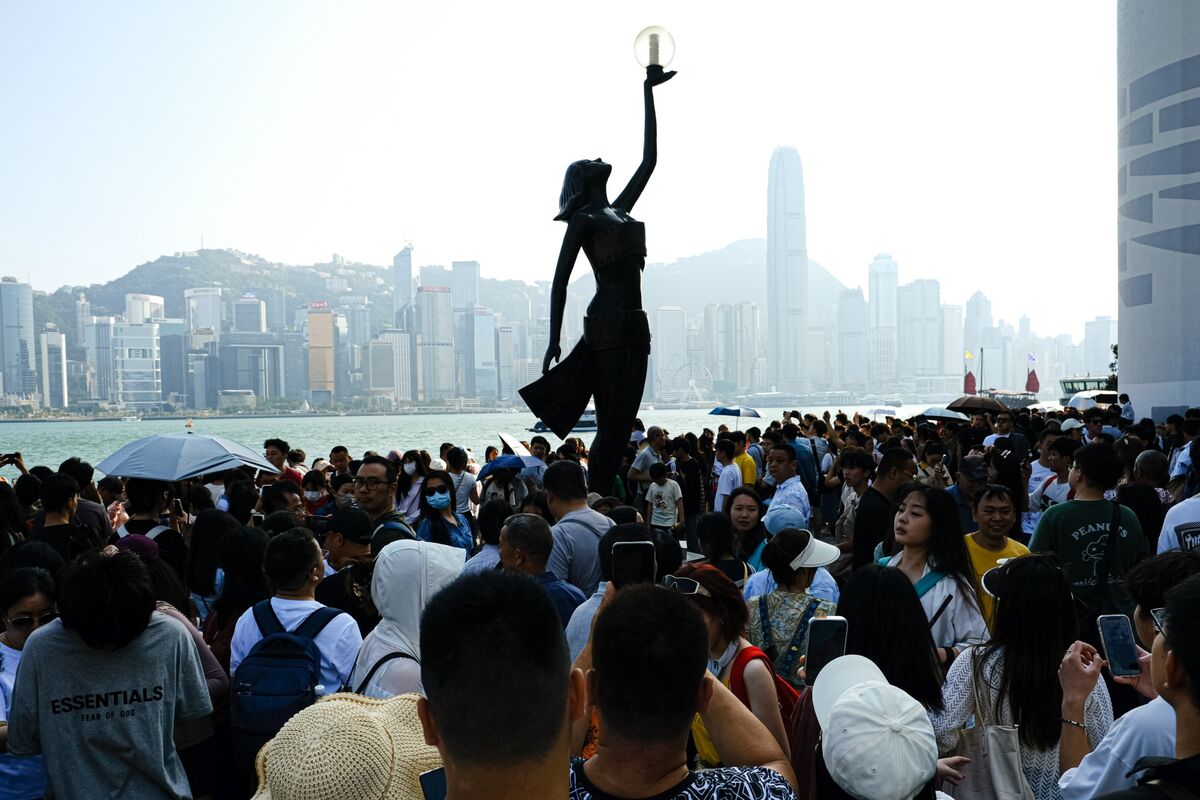
The WTTC recommends expanding outreach to markets beyond Guangdong province, including other mainland cities, as well as ASEAN countries, the Middle East and India.
It also suggests targeting higher-value travel segments and strengthening long-haul demand through partnerships with airlines and improved connectivity.
Five key recommendations from WTTC
The report outlines five areas of focus:
- Business travel: Support meetings, incentives, conferences and exhibitions (MICE) through streamlined processes and targeted incentives
- Long-haul demand: Strengthen positioning in markets such as the United States, the United Kingdom and Europe
- Tourism offerings: Develop experiences centred on dining, heritage and events
- Visitor engagement: Encourage longer stays through curated itineraries
- Collaboration: Improve coordination between government bodies and private stakeholders
Government investment and industry outlook

The government has allocated HK$1.6 billion for tourism development in 2026–27 to support events, festivals, and promotional efforts.
The Hong Kong Tourism Board plans to expand its outreach into new markets, increase cruise activity and support the growth of the MICE segment.
According to Gloria Guevara, the city’s recovery will depend on coordinated efforts between public and private stakeholders, along with targeted investment and planning.
Infrastructure and connectivity developments
Recent data highlights improvements in connectivity, with Hong Kong International Airport recording growth in seat capacity and key routes such as Hong Kong–Taipei seeing high traffic volumes.
These developments are expected to support future tourism demand as the destination continues to rebuild its international visitor base.