Hong Kong had been high on my travel wish list for years, a city I imagined as a glittering skyline wrapped around a working harbor, with steaming dim sum baskets and neon-lit alleyways at every turn. When I finally went, it delivered much of that magic, but it also exposed some blind spots in my planning. Looking back now, with Hong Kong tourism firmly in recovery and visitor numbers climbing again, I can see clearly what I would do differently next time.
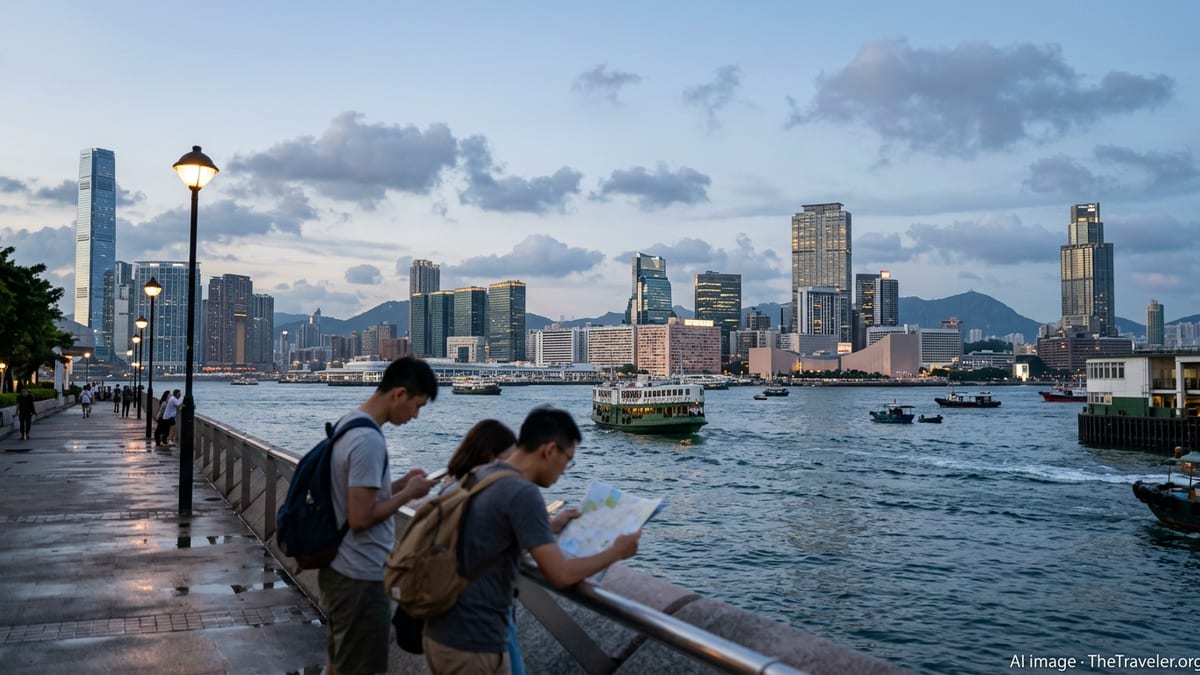
Reframing Expectations in a Post-Pandemic Hong Kong
When I landed in Hong Kong, I subconsciously expected the city I had seen in pre-2019 videos and guidebooks. In reality, Hong Kong in 2025 feels familiar yet noticeably changed. Tourism has rebounded strongly, with tens of millions of visitors returning, but the city is still recalibrating its prices, service levels, and neighborhood character. That mix can be disorienting if you arrive with outdated expectations and a rigid checklist of sights.
I underestimated how much travel conditions and visitor flows have shifted. Long weekends, major events, and holiday periods now concentrate huge crowds into short windows, and hotel prices spike accordingly. Meanwhile, some classic attractions feel more commercial than before, while other areas, especially older neighborhoods, feel more local and relaxed than I imagined. If I had understood that Hong Kong is in a new phase of its tourism life, I would have built a more flexible and curiosity-driven itinerary instead of chasing an idealized version of the city.
Next time, I will approach Hong Kong less as a set of must-sees and more as a living city in transition. That means following current local news and tourism updates before I go, being realistic about crowd levels, and giving myself permission to skip a few famous attractions if they no longer match the experience I want. Hong Kong rewards repeat visitors, and accepting that I cannot do everything in one trip is the first step toward a better one.
Rethinking Where to Stay: Neighborhood Choices That Matter
On this trip, I chose a hotel in Tsim Sha Tsui because it seemed central, had strong public transport, and offered easy access to the harborfront and major shopping streets. All of that was true, but I did not account for how hectic and commercial the area can feel, especially at night when bus tour groups and shoppers converge. After a long day of walking, dodging crowds on packed sidewalks was not the restful city experience I had hoped for.
Next time, I would seriously consider splitting my stay between two neighborhoods to experience different sides of Hong Kong. A few nights in Central or Sheung Wan would put me close to the business district, historical streets, and the Mid-Levels escalator, with excellent dining right on the doorstep. Then I would shift to a quieter base, perhaps in Sai Ying Pun, Kennedy Town, or even out on Lantau Island, where evenings feel calmer and more residential. That approach would give me variety without sacrificing convenience.
I also learned that proximity to a single MTR line is not always enough. On this trip, every cross-harbor journey felt longer than it looked on the map. In future, I will choose a hotel that is close to an interchange station or at least one or two stops from a major hub. Being within a five-minute walk of a station is still ideal, but being strategically located for transfers will save time and energy, especially if I am planning early-morning hikes or late dinners across the harbor.
Getting Around: What I Would Change About Transport
Hong Kong’s public transport is often described as one of the most efficient in the world, and in many ways that reputation is deserved. The MTR is fast and frequent, trams are charming, and buses reach nearly everywhere. Yet I made a few missteps that cost me both money and convenience, starting with how I handled airport transfers and fare payment.
On arrival, I defaulted to the Airport Express train because it sounded like the premium, time-saving option. It was smooth and fast, but with updated fares, it is no longer the automatic best choice, especially for solo or budget-conscious travelers. In my case, a combination of airport bus and MTR would have taken a bit longer but cost significantly less and dropped me closer to my hotel. Next time, I will check current fares and travel times against my arrival hour and traffic expectations instead of assuming the express train is always the right answer.
I also waited until I reached the city to sort out an Octopus card. That meant standing in line at the airport after a long flight and juggling cash. With contactless payments and app-based Octopus options now more widely available, I would set up a digital Octopus in advance or buy a card as early as possible after landing. The flexibility of using one stored-value solution for MTR, buses, trams, and many shops is still unmatched, and having it ready from the start would have made my first day far smoother.
Another lesson was to balance efficiency with experience. I often chose the MTR even for short distances, simply because it was quick and familiar, but that meant missing street-level details and the unique feel of Hong Kong’s double-decker trams and buses. Next time, I will deliberately plan at least one or two days where I prioritize surface transport, hopping on trams along Hong Kong Island and using buses to explore outlying neighborhoods. In Hong Kong, getting around can be as memorable as the destinations themselves if you allow it to be part of the experience.
Reshaping the Itinerary: Less Checklist, More Texture
I arrived with a tightly packed list of attractions drawn from guidebooks, social media recommendations, and old blog posts. That list included the Star Ferry, Victoria Peak, Mong Kok markets, a day on Lantau, and several temples, plus a long catalog of restaurants. I managed to see many of them, but the constant rushing between spots left little time to absorb what I was seeing. Some of my most vivid memories are from unscripted moments, not the headline attractions.
If I could redo the trip, I would deliberately schedule fewer big sights per day, especially on my first two days in the city. Instead of stacking the Peak, the Avenue of Stars, and shopping into a single day, I would choose one anchor experience and surround it with open time for wandering nearby streets, sitting in parks, and lingering over meals. That slower pace not only reduces fatigue but also allows you to notice details like wet markets, neighborhood shrines, and local bakeries that rarely appear in top ten lists.
Some attractions also work far better at specific times of day. The Peak is more atmospheric in the late afternoon leading into evening, when the city lights come alive, but it is also crowded and weather-dependent. I made the mistake of visiting on a hazy day that muted the views. Next time, I will build weather flexibility into my schedule, treating outdoor viewpoints and island excursions as movable pieces rather than fixed appointments. On days when the visibility is low or rain is persistent, I will pivot to museums, tea houses, and indoor food explorations.
Overall, I have learned that Hong Kong rewards depth over breadth. A focused half-day exploring a single neighborhood, from morning coffee to a late-night snack, left a stronger impression than racing between multiple districts for one photo each. On a future trip, I would prioritize a smaller selection of experiences and accept that leaving things for next time is a feature, not a failure.
Eating Smarter: Navigating Food Culture and Crowds
Hong Kong’s food scene was one of the main reasons I wanted to visit, and it remains one of the city’s greatest strengths. However, I approached it with an over-reliance on social media lists and star ratings, which led me to long queues and occasionally underwhelming meals. In such a competitive dining landscape, places that go viral can become overloaded, while more traditional or neighborhood-focused spots continue serving excellent food to mostly local crowds.
Next time, I would rebalance my food research sources. Instead of building my entire plan around big-name dim sum halls and famous roast meat shops, I would mix in recommendations from local forums, neighborhood blogs, and everyday eateries I discover on the ground. I would also accept that some of the most memorable meals might be simple: a bowl of wonton noodles at a corner shop, a breakfast of pineapple bun and milk tea, or late-night skewers near the tram lines.
Timing is another key lesson. On this trip, I often showed up at peak hours, lining up for dim sum at midday on weekends or hunting for dinner in busy districts at 7 pm. That meant unnecessary waits and rushed turnovers. In future, I will plan my days so that I eat slightly off-peak, targeting late-morning dim sum, early dinners, or mid-afternoon snack runs. Adjusting my schedule by even one hour could drastically cut queue times and make the whole experience more relaxed.
I would also be more intentional about exploring beyond Cantonese staples. Hong Kong has a wide range of regional Chinese and international cuisines, from noodle houses specializing in specific broths to small cafes serving Southeast Asian comfort food. On my next visit, I plan to dedicate one evening to a structured food walk, moving slowly through a single neighborhood and sampling a different small dish or drink at each stop. Treating food as a way to read the city, not just as fuel between sights, would transform the overall trip.
Budgeting Better: Prices, Value, and Hidden Costs
One of the most surprising aspects of my trip was how quickly costs added up. I expected Hong Kong to be on the expensive side, but I still underestimated daily spending on transport, dining, and entrance fees. Part of the shock came from relying on older price references and assumptions about exchange rates. With tourism in a recovery phase and costs shifting, small increases across many categories can significantly affect a travel budget.
Accommodation was the largest single expense, especially in central areas during popular travel weeks. Next time, I would book earlier, avoid major regional holidays when possible, and consider slightly smaller or independently run hotels that may offer better value. I would also look into package deals that combine transport, attraction entries, or breakfast where it genuinely makes sense, while still retaining flexibility for most meals and activities.
Daily spending on food and transport is where careful planning can really help. Instead of casually using premium options like the Airport Express for every journey, I would compare the cost of buses, standard MTR lines, and shared transport. On the dining side, I would consciously balance splurge meals with everyday local spots, remembering that some of the best bites in Hong Kong are not the most expensive ones. Building a realistic daily budget with a buffer for surprises would prevent the subtle anxiety that comes from watching costs creep up unplanned.
I also noticed a few hidden or easily overlooked expenses, such as drinks, snacks between meals, and small entrance or activity fees that do not feel significant individually but add up over several days. In future, I will set aside a specific amount for spontaneous purchases and treat it as part of the trip’s joy rather than a leak in the budget. That way, buying a festival snack, a local dessert, or a ride on a historic tram feels like a planned indulgence, not an unplanned cost.
Balancing the City With Nature and Outlying Districts
Hong Kong is often marketed as a city of towers and lights, but it is equally a city of hills, beaches, islands, and hiking trails. I knew this in theory yet still spent a disproportionate amount of time in the densest urban areas. By the time I finally escaped to one of the outlying islands, my senses were overloaded, and I realized too late how restorative even a half-day away from the city core can be.
Next time, I will intentionally schedule alternate days between intense city exploration and quieter natural or coastal escapes. That might mean pairing a heavy urban day in Central and Causeway Bay with a following day on Lantau Island, Lamma Island, or in the New Territories for hiking. The scenery is dramatic, and the contrast between skyscrapers and forested hills is one of Hong Kong’s defining strengths. Building this into the itinerary from the start would help manage both physical fatigue and sensory burnout.
Weather plays a big role in how enjoyable these excursions are. On my trip, I underestimated both humidity and the intensity of sun even on overcast days, which made certain hikes more taxing than expected. In future, I will start outdoor activities early in the morning, carry adequate water, and be honest about my fitness level when choosing routes. If conditions are poor, I will not hesitate to shorten a hike or switch to a coastal stroll instead.
I have also learned to give myself permission to slow down even when I reach the “green” parts of Hong Kong. Instead of trying to tick off multiple viewpoints, temples, and beaches in a single day, I would choose one or two and spend more time there, whether that means lingering in a fishing village or simply sitting on a quiet stretch of sand watching ferries come and go.
Travel Timing, Crowds, and Seasonal Considerations
The timing of my trip fell in a period when visitor numbers were climbing, but so were hotel rates and crowds at major attractions. I did not fully appreciate how sensitive Hong Kong is to regional holiday patterns and large-scale events. When long weekends and festivals coincide with tourism promotions, the popular districts can feel dramatically more crowded, and restaurant reservations become harder to secure at short notice.
Next time, I would look more carefully at both Hong Kong’s own holiday calendar and major travel periods for nearby regions. Traveling just before or after major holidays could still offer lively streets and events but with slightly more breathing room. I would also stay alert to large conventions or trade fairs that can quietly fill hotels and push up prices without being obvious from general tourism materials.
Seasonality matters as well. Humidity, rainfall, and air quality all affect how comfortable it is to walk, hike, and sightsee. On my visit, several afternoons dissolved into sudden showers that sent crowds surging into malls and MTR stations. In the future, I will plan my days with a weather-aware structure: outdoor sights and walking in the morning, indoor attractions in the afternoon, and flexible evenings depending on conditions. Carrying a compact umbrella and breathable clothing is not optional; it is essential in Hong Kong’s climate.
I have also learned that sometimes embracing the season is better than fighting it. If the forecast suggests moody, misty days, I might lean into indoor experiences and seek out tea houses, art spaces, and neighborhood cafes instead of forcing panoramic views that will be obscured. Hong Kong has enough depth that almost any weather can be turned into an advantage with the right mindset.
The Takeaway
Looking back on my Hong Kong trip, I see a journey that was both rewarding and imperfect, shaped as much by my planning missteps as by the city itself. I rushed some days, spent more than I needed to in certain areas, and clung too tightly to a pre-set idea of what Hong Kong “should” be. Yet the city still impressed me with its energy, food, and the striking juxtapositions between dense urban life and surprising pockets of calm.
What I would do differently next time is not about avoiding mistakes altogether, but about traveling with more intention. I would choose my neighborhoods more carefully, treat transport decisions as part of the experience, and adopt a slower, more flexible itinerary. I would pay closer attention to seasonal patterns and budgets, and I would carve out more time for outlying districts and green spaces that balance the city’s intensity.
Most importantly, I would arrive ready to meet the Hong Kong of today, not the one preserved in old guidebooks. The city has evolved, and so should the way we travel through it. With a few thoughtful changes, I am confident that my next visit will feel less like a race and more like a conversation with one of Asia’s most compelling urban landscapes.
FAQ
Q1. How many days would you recommend for a first trip to Hong Kong?
For a balanced first visit, I would now suggest at least five full days. That allows time for core city sights, a day or two on outlying islands or hiking, and some unscheduled exploration.
Q2. Would you still use the Airport Express on your next trip?
I would decide based on arrival time, budget, and hotel location. If I am staying near Hong Kong or Kowloon Station and arriving late at night, I might still use it; otherwise, buses or a mix of bus and MTR may offer better value.
Q3. Is an Octopus card still worth getting for visitors?
Yes, having an Octopus card or its digital equivalent remains very useful. It simplifies paying for MTR, buses, trams, and many shops, and it helps avoid repeatedly handling cash for small transactions.
Q4. Which neighborhood would you choose next time as a base?
Next time, I would likely split my stay between Central or Sheung Wan for easy access to major sights and dining, and a quieter area such as Kennedy Town or Lantau Island for a more relaxed atmosphere.
Q5. How would you plan your food experiences differently?
I would mix a few well-known restaurants with more local, low-key spots discovered through neighborhood wandering and local recommendations, and I would aim to eat slightly off-peak to avoid long waits.
Q6. Are the major attractions like Victoria Peak still worth it?
They are still worthwhile if timed well. I would go when the weather and visibility are good, avoid the busiest hours when possible, and not hesitate to skip or reschedule if conditions are poor.
Q7. How much should a traveler budget per day in Hong Kong?
Budgets vary, but I found that planning for a mid-range daily spend and adding a buffer for occasional splurges works best. Accommodation is the biggest variable, followed by dining and transport.
Q8. Is it necessary to book restaurants and attractions in advance?
For popular restaurants and peak travel periods, advance bookings are helpful. For many everyday eateries and most public attractions, planning a flexible schedule and avoiding peak hours can be enough.
Q9. How safe and comfortable did you feel using public transport?
I felt very safe and comfortable on public transport. Trains and stations are generally clean and efficient, though they can be crowded at rush hour, so I would avoid peak commuter times when possible.
Q10. What is the single biggest change you will make on your next Hong Kong trip?
The biggest change will be slowing down: choosing fewer daily highlights, building in more neighborhood wandering, and alternating intense city days with calmer, more nature-focused excursions.