Few cities spark as much debate among travelers today as Hong Kong. Once a default stop on many Asia itineraries, it is now a destination people actively question: Is it still worth visiting? The answer depends less on headlines and more on what you personally want from a trip. Hong Kong remains a dense, dramatic and often exhilarating city, but it comes with clear trade-offs around cost, crowds, climate and politics. This guide walks through the key pros and cons, who Hong Kong is best suited for in 2026, and how to decide if it deserves a spot on your itinerary.
The Case For Hong Kong: Why It Still Captivates
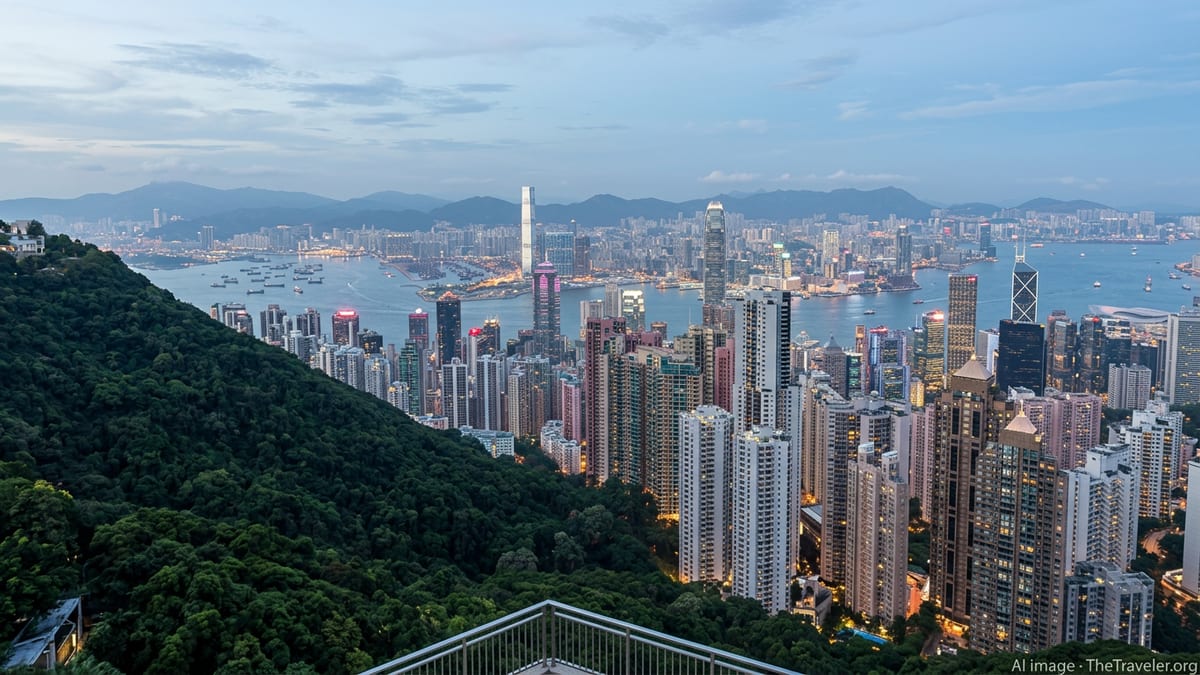
Stand on Victoria Peak at dusk and Hong Kong’s appeal is obvious. The layered skyline, busy shipping lanes and forested hillsides create one of the world’s most distinctive urban panoramas, with views stretching across Victoria Harbour to Kowloon. On clear evenings, the nightly Symphony of Lights show animates the skyline with coordinated lighting and projections, underscoring the city’s long-standing reputation as a visual icon in global tourism.
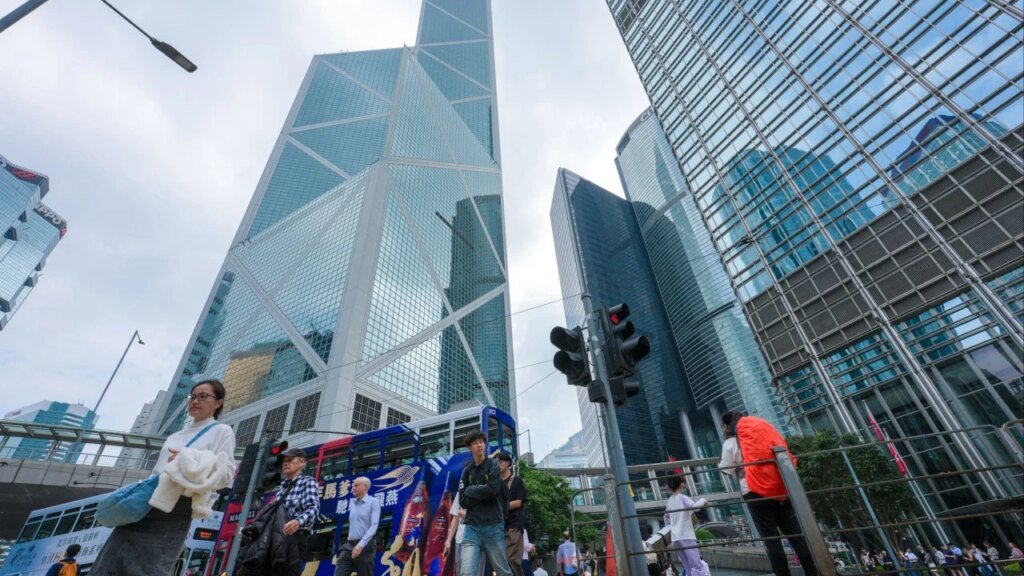
Hong Kong’s compact geography concentrates a remarkable variety of experiences into a small area. In a single day, you can ride century old trams on Hong Kong Island, shop neon alleys in Mong Kok, hike subtropical trails above the sea in Sai Kung or Lantau, then finish with cocktails overlooking Central’s towers. Efficient public transport, centered on the MTR subway and extensive bus and ferry networks, makes it relatively straightforward for visitors to move between these worlds without a car, and stored value Octopus cards or contactless payments keep payments simple.
The city’s blend of Chinese and British influences still shapes everyday life. Bilingual signage, orderly queues and common use of English coexist with wet markets, Cantonese opera and traditional medicine shops. For many visitors new to East Asia, this combination makes Hong Kong feel more approachable than some neighboring megacities, particularly for first time travelers who want an urban destination that feels both distinctly Asian and somewhat familiar.
For repeat visitors, the draw is often familiarity mixed with constant change. Waterfront promenades continue to be upgraded, new cultural spaces like revitalized markets and harborside event grounds open, and tourism authorities have recently focused on developing additional “hotspot” neighborhoods and hiking routes to spread visitors beyond the classic core areas and showcase lesser known aspects of the city’s culture and landscape.
Food, Culture and Neighborhood Atmosphere
Food is one of Hong Kong’s strongest reasons to visit. Dim sum served in bustling tea houses, late night wonton noodles, roast goose, cha chaan teng diners and high end tasting menus all coexist within a few MTR stops of each other. It is one of the few cities where you can have an excellent bowl of congee for a modest sum in the morning and a refined Cantonese banquet or international fine dining experience in the evening, often from chefs with significant regional reputations.
Street level culture is equally compelling. Kowloon neighborhoods such as Sham Shui Po and Yau Ma Tei retain dense street markets, family run hardware and fabric shops and traditional tong lau tenement buildings. Central and Sheung Wan mix preserved colonial architecture with contemporary galleries and coffee shops. Outlying districts like Tai O fishing village and the islands off Lantau offer glimpses of stilt houses, temples and a slower coastal rhythm that contrasts sharply with Central’s financial towers.
Hong Kong has invested in cultural infrastructure in recent years, from museum upgrades along the harbourfront to new performance and arts venues in Kowloon. Regular festivals, from Lunar New Year parades to Mid Autumn lantern displays, remain signature experiences that draw both residents and tourists. Even on an ordinary evening, simple pleasures such as riding the Star Ferry across the harbor or watching locals practice tai chi in public parks give the city a lived in, unscripted character.
For travelers who value everyday observations as much as major attractions, Hong Kong’s dense streetscapes and overlapping layers of old and new provide endless material. The city rewards slow wandering at street level, where small shrines tucked under overpasses, laundry lines hanging above alleys and improvised produce stalls remind visitors that this is first and foremost a lived in home to millions rather than a staged tourist resort.
Practical Upsides: Infrastructure, Safety and Accessibility
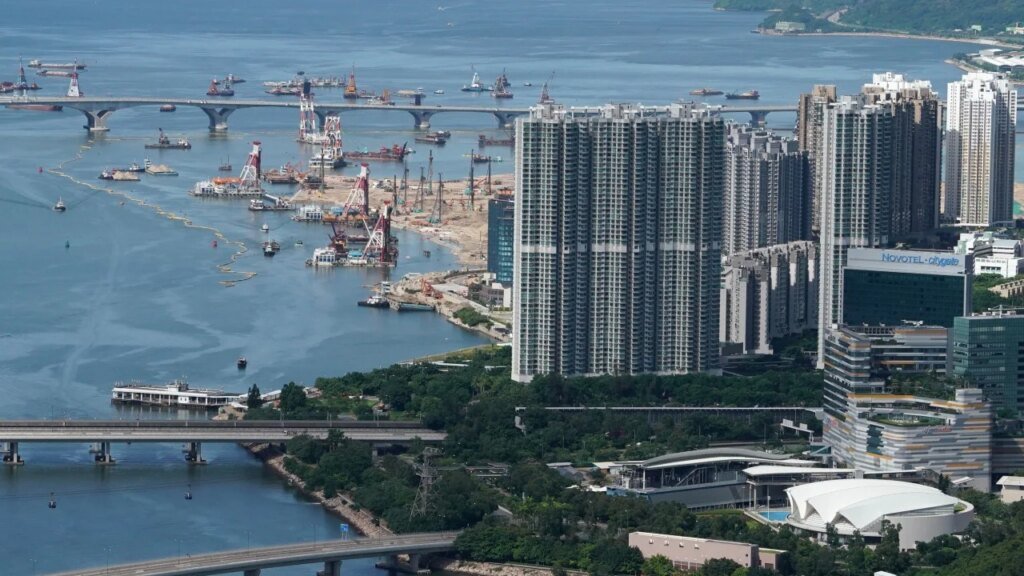
From a practical standpoint, Hong Kong is one of the easiest big cities in Asia to navigate. The MTR system is extensive, frequent and clearly signed in English and Chinese, reaching major districts, new developments and many of the popular hiking gateways. Fares on regular lines are relatively modest compared with many Western cities, and visitors can tap in using Octopus cards or contactless payments at most stations. Buses, minibuses, trams and ferries plug the gaps between subway lines, allowing you to reach most urban neighborhoods and many rural areas without difficulty.
Arriving and departing is generally straightforward. Hong Kong International Airport remains a major regional hub with a reputation for efficiency, and the dedicated Airport Express train connects the terminals to central Hong Kong in under half an hour. While specialized airport rail fares are higher than standard MTR rides and have seen recent increases, they are balanced by frequent departures and the ability to check in for some flights at in town stations during certain hours, which many visitors find convenient after hotel check out.
Safety is another key advantage. Hong Kong is widely regarded as one of the safer big cities in the region, with relatively low levels of violent crime affecting tourists. Petty theft can occur in crowded areas, but many visitors report feeling comfortable using public transport late into the evening, walking through busy districts at night and carrying cameras or phones in public. Public hygiene standards are high by regional standards, tap water quality is regulated, and food safety oversight reduces the risk of serious problems for travelers who eat widely across the city.
Language and services are generally accessible for international visitors. English is widely used in hotels, major restaurants, transport announcements and tourist facing services. Signage at attractions, museums and transit hubs is typically bilingual. Mobile networks are fast and reliable, and many venues accept international credit cards and mobile wallets, though it is still wise to carry some local currency for small shops, markets and older eateries.
Downsides: Cost, Crowds, Climate and Air Quality
Hong Kong’s main drawbacks become apparent as soon as you start pricing accommodation and activities. Hotel rates in central neighborhoods can be high, especially during major trade shows, holidays and peak travel seasons. Space is at a premium, so even mid range hotel rooms may feel compact compared with other destinations. While it is possible to find more affordable guesthouses or hotels in outlying districts, the combination of limited space and strong business travel demand keeps average lodging costs higher than in many other Asian cities.
Daily expenses add up as well. Eating at local cha chaan teng diners and street stalls can be good value, but sit down restaurants, rooftop bars and Western style cafes often charge prices similar to those in major European or North American cities. Attraction fees, such as premium viewing decks, cable cars or theme parks, lean toward the expensive side, and airport related costs including express train fares and departure taxes have risen in recent years. Budget minded travelers need to watch spending or strategically combine free and low cost experiences, such as harborfront promenades, temples and hiking, with a limited number of pricier outings.
Crowds are another point of friction. Busy shopping districts, popular markets and main transport interchanges can feel overwhelming, particularly on weekends and public holidays when both residents and visitors are out. Lines for peak experiences like the Victoria Peak tram, major museums or large theme parks can be long during peak times. Travelers who dislike dense crowds or who experience anxiety in busy enclosed spaces may find central Hong Kong draining, even if they appreciate its energy in short bursts.
Climate and air quality are also legitimate concerns. Summers are hot and humid, with a rainy season that typically spans from spring through early autumn. Typhoons and heavy rain can disrupt flights, ferries and outdoor activities several times a season, with severe storms occasionally leading to widespread closures and delays. Air quality fluctuates and can be hazy, especially in cooler months when regional pollution and local emissions combine. Asthmatic or sensitive travelers may want to monitor conditions and plan indoor alternatives during bad air or severe weather days.
Politics, Atmosphere and Changing Perceptions
Any honest assessment of whether Hong Kong is worth visiting today should acknowledge its evolving political context. Over the past several years, the city has experienced significant changes in laws, governance and public expression, which have been widely covered by international media and prompted debate about its autonomy and civil liberties. Some travelers feel uneasy about visiting because of these developments, while others continue to regard Hong Kong primarily as a vibrant urban destination and transit hub.
On the ground, most visitors’ day to day experiences revolve around dining, sightseeing, shopping and nature, rather than politics. Tourist areas remain busy, cultural events continue, and local hospitality professionals and small business owners are generally eager to welcome international guests after the prolonged downturn during the pandemic. At the same time, some symbols and forms of public protest that were visible in 2019 are now largely absent, and discussions of sensitive topics may be more restrained in public settings.
For the majority of tourists engaging in normal leisure activities, there is no indication that they face additional risk or scrutiny simply for visiting. Immigration procedures remain standard for eligible nationalities, and travelers who focus on sightseeing and cultural experiences typically report smooth trips. However, individuals who are highly politically engaged, work in sensitive sectors or plan to document and comment publicly on local politics may wish to reflect carefully on whether Hong Kong aligns with their comfort level and professional obligations.
Ultimately, your response to Hong Kong’s political shifts is personal. Some travelers consciously choose to visit in order to support local businesses and reconnect with a city they love, accepting that it has changed. Others prefer to direct their tourism spending elsewhere. Factoring your own values and risk tolerance into the decision is part of answering whether Hong Kong is “worth it” for you right now.
Who Hong Kong Is Best For
Hong Kong is especially rewarding for urban enthusiasts who thrive on density, variety and contrast. If you enjoy cities like New York, Tokyo or Singapore, you are likely to appreciate Hong Kong’s rapid tempo, distinctive neighborhoods and vertical skylines. Travelers who savor food, design and architecture will find days worth of exploration in local eateries, historical buildings, modern skyscrapers and quiet temples tucked between towers.
Short break travelers and stopover visitors are another ideal audience. Hong Kong works well as a three to five day city break or as a layover hub when connecting between long haul flights. Its compact size means you can see many of the signature sights, from the Peak and Tsim Sha Tsui waterfront to a taste of markets and at least one outlying island or country park, without extensive travel times. Efficient public transport makes it practical to maximize limited days without the stress of driving or navigating complex ticketing systems.
Hong Kong also suits active travelers who want both city and nature without changing base. A network of hiking trails, including well known routes such as the Dragon’s Back and stretches of the MacLehose Trail, provide coastal and mountain views within reach of the urban core, often accessible by bus or MTR plus a short walk. Beachgoers can reach sandy bays on Hong Kong Island, Lantau and the New Territories, while water sports like kayaking are offered in calmer coves.
By contrast, Hong Kong may be less ideal for extended slow travelers hoping for long stays on a tight budget, or for those whose primary preference is remote countryside, quiet historic towns or all inclusive beach resorts. Families with very young children can still enjoy the city, particularly with theme parks and easy transport, but may find the heat, stairs and crowds tiring with strollers. Retirees and less mobile visitors may wish to choose hotels with easy access to MTR elevators and level walks to minimize steep slopes and footbridges.
Trip Planning: When to Go and How Long to Stay
Timing has a major influence on how enjoyable Hong Kong feels. In general, the most comfortable months for walking and outdoor sightseeing are autumn and early winter, roughly from late October through December, when temperatures and humidity tend to be lower and skies clearer. Spring can also be pleasant, though it may be cloudier with intermittent rain. Summer months from June through August are typically hot, humid and prone to heavy showers and thunderstorms, with a higher risk of typhoons that can temporarily shut down transport and attractions.
If you do visit during the wettest and hottest months, plan for flexible itineraries and regular escapes to air conditioned spaces. Build in indoor activities such as shopping malls, museums, tea houses and food halls for the middle of the day, and schedule hikes or harborfront walks early in the morning or later in the evening. Keep an eye on local weather advisories and typhoon signals, as strong storms can disrupt ferry services, flights and some public transport lines for hours or, in the case of severe systems, a full day or more.
For first time visitors, a stay of three to four full days is a comfortable minimum to sample the city’s core experiences without rushing. This allows time for a harborfront evening, a visit to Victoria Peak, at least one neighborhood market exploration, and either a hike or an outlying island excursion. Adding a fifth or sixth day opens room for slower wandering, more ambitious hikes, additional museums or side trips to less central districts. Travelers integrating Hong Kong into a broader regional itinerary might schedule a shorter stop focused on key urban highlights.
When choosing where to stay, consider your priorities. Central, Admiralty and nearby neighborhoods provide easy access to major sights on Hong Kong Island and simple MTR connections to Kowloon, but hotels tend to be more expensive. Tsim Sha Tsui and adjacent Kowloon districts offer vivid street life and harbor views, often with slightly better value, at the cost of a short cross harbor commute to Island attractions. Outlying areas such as Sha Tin, Tung Chung or some New Territories new towns can offer more space and lower prices but involve longer travel times to key sights.
The Takeaway
So is Hong Kong worth visiting in 2026? For many travelers, the answer remains yes, provided you arrive with realistic expectations and a clear sense of your own preferences. The city still offers one of the world’s most striking urban skylines, a deep and evolving food scene, efficient transport and easy access to nature, all layered over a complex cultural and historical backdrop. For people who enjoy intense, vertical cities and the interplay between tradition and modernity, it continues to be a compelling destination.
At the same time, Hong Kong is not the right fit for everyone. High costs, thick crowds, summer heat, occasional severe storms and an evolving political environment are genuine downsides that can diminish enjoyment for certain visitors. Those seeking quiet countryside escapes, long low budget stays or a completely carefree atmosphere may be happier directing their time and money toward alternative destinations elsewhere in the region.
The most useful way to think about Hong Kong is as a concentrated, high impact city break rather than an all purpose holiday spot. If you are excited by the idea of dim sum breakfasts, neon soaked streets, harbor breezes and mountain trails all in one compact package, and you are comfortable with the trade offs, Hong Kong can still deliver a memorable trip. If, after weighing the pros and cons, you feel hesitant or out of alignment with what the city offers today, it is reasonable to place it on the “maybe later” list and focus your travels elsewhere for now.
FAQ
Q1. Is Hong Kong safe for tourists right now?
Hong Kong is generally considered safe for visitors, with low rates of violent crime affecting tourists. Normal city precautions apply in crowded areas, and travelers should monitor weather advisories during typhoon season.
Q2. How many days do I need in Hong Kong?
Most first time visitors find three to four full days sufficient to see major sights such as Victoria Peak, the harborfront, markets and at least one outlying area, while five to six days allow a more relaxed pace and additional hikes or cultural visits.
Q3. Is Hong Kong very expensive compared with other Asian cities?
Accommodation and certain activities are relatively costly, closer to major Western cities than to many regional neighbors. However, transport is reasonably priced and eating at local diners and markets can keep daily costs moderate if you avoid frequent high end restaurants and bars.
Q4. What is the best time of year to visit Hong Kong?
Autumn and early winter, roughly late October to December, are usually the most comfortable, with milder temperatures and lower humidity. Spring can also be pleasant, while summer tends to be hot, humid and stormy, with a higher chance of typhoons.
Q5. Do I need to speak Cantonese to get around?
No. English is widely used in transport, hotels and many restaurants, and signage is typically bilingual. Learning a few simple Cantonese phrases is appreciated but not necessary for most tourist activities.
Q6. Is Hong Kong still a good stopover destination?
Yes. Thanks to its efficient airport and compact size, Hong Kong works well as a two to three day stopover, allowing you to experience key highlights like the harbor, skyline views and local food without extensive detours from major flight routes.
Q7. How does the political situation affect tourists?
Most leisure travelers experience little direct impact in day to day sightseeing, dining and shopping. However, visitors who are particularly sensitive to political issues or who plan to engage in activism or reporting may wish to consider their personal risk tolerance and professional obligations.
Q8. Is Hong Kong suitable for families with children?
Many families enjoy Hong Kong’s mix of theme parks, cable cars, easy public transport and safe streets. However, parents should be prepared for heat, humidity and crowds, and may find it easier with school age children than with infants or toddlers.
Q9. Can I experience nature without leaving the city for long?
Yes. Hong Kong offers numerous hiking trails, beaches and country parks within an hour or less of central districts by public transport, making it easy to combine city exploration with half day or full day nature trips.
Q10. Is Hong Kong worth visiting if I have already seen other major Asian cities?
If you enjoy urban destinations, Hong Kong’s unique combination of steep green hills, dense vertical skylines, harbor views and Cantonese culture can feel distinct even after visiting places like Tokyo, Seoul or Singapore. If big cities are not your preference, you may want to prioritize quieter destinations instead.