Published on
March 30, 2026

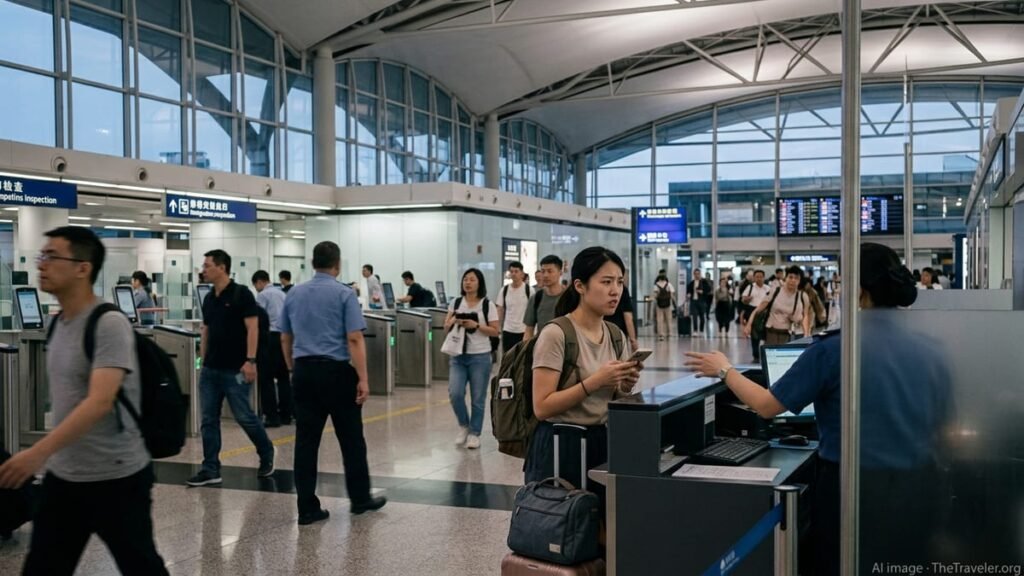
Image generated with Ai
Starting March 2026, Hong Kong has introduced a contentious amendment to its National Security Law that dramatically affects international travelers, including U.S. citizens. This new legal requirement mandates that travelers comply with authorities’ requests to unlock their phones, laptops, and other electronic devices or face criminal prosecution. The United States government has issued an urgent advisory, warning citizens about the legal implications of this change.
For U.S. tourists, business professionals, and even those in transit, refusing to hand over passwords or assist in decrypting personal devices could now result in severe penalties, including up to a year in prison and fines of up to HK$100,000 (approximately US$12,700). This development adds an unexpected layer of complexity for anyone planning to travel to or transit through Hong Kong.
What Are the New Laws in Hong Kong?
As of March 23, 2026, Hong Kong authorities have strengthened the enforcement of their National Security Law. The latest amendment broadens the powers of police and national security officials, granting them the authority to demand passwords and decrypt electronic devices from all individuals, including foreign nationals. The catch? Refusing to comply is now a criminal offense.
Previously, the National Security Law, introduced in 2020, allowed authorities to take significant actions against those suspected of being involved in activities against the state. However, the most recent changes, effective in March 2026, explicitly target digital privacy. Law enforcement can now request passwords for any mobile phones, computers, or other electronic gadgets and seize them for further examination if deemed necessary for national security investigations.
Importantly, no judicial authorization is required for these demands, placing travelers under heightened scrutiny. Authorities can also retain and inspect seized devices for extended periods, opening up a whole new set of legal and privacy concerns. According to official statements from the Hong Kong government, the law applies to all individuals, regardless of whether they are residents, tourists, or even those merely passing through the city on their way to other destinations.
U.S. Government’s Advisory to Travelers
In response to these sweeping changes, the U.S. State Department has issued an official travel warning urging all U.S. citizens to carefully consider the implications of this new law before traveling to Hong Kong. The warning specifies that travelers must comply with these new requirements, or face criminal penalties for non-compliance.
Advertisement
Advertisement
The U.S. Consulate General in Hong Kong and Macau highlighted that travelers must be prepared to hand over passwords or decrypt their devices when requested by local authorities. Those who refuse to unlock their phones or provide assistance with decrypting their devices could be prosecuted under Hong Kong’s national security laws, which carry serious penalties, including up to three years in prison in some cases.
Travel experts and U.S. government officials have emphasized that American citizens’ constitutional rights, such as protection against self-incrimination, do not apply in Hong Kong. This leaves travelers with limited recourse if they are asked to surrender sensitive personal data or digital information.
The Risk for Tourists: More Than Just a Digital Dilemma
The new law creates a digital privacy minefield for anyone visiting Hong Kong. Digital devices such as smartphones, laptops, and tablets are often used for work, personal communication, and even sensitive financial transactions. For U.S. travelers, including journalists, business professionals, and activists, this law could pose significant risks regarding confidential information.
Authorities in Hong Kong can legally demand passwords and PIN codes, making it possible for them to access emails, files, photos, texts, and even social media accounts. For those carrying work-related documents, client data, or confidential business information, the implications of such a request could be profound. Travelers are left with two difficult choices: hand over their passwords or face legal consequences.
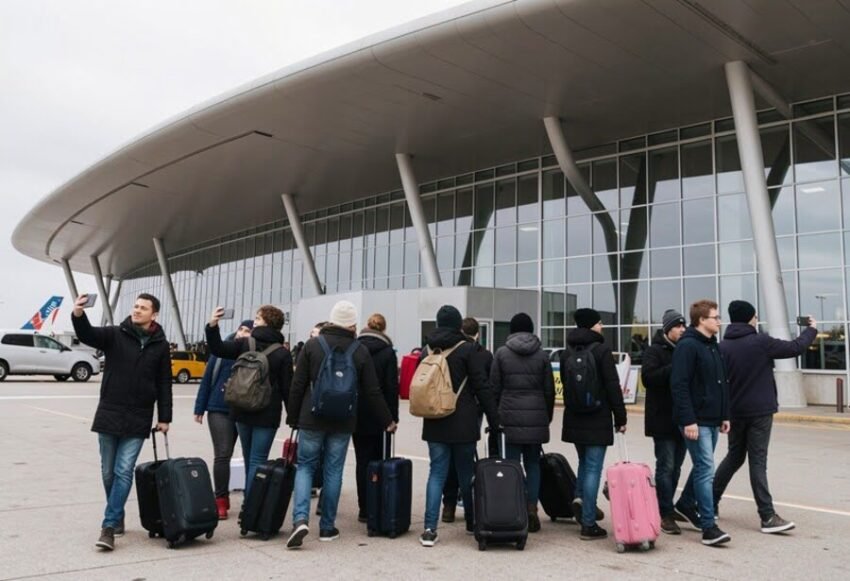
In practical terms, this could mean a traveler’s entire professional life is at risk — from confidential business emails to sensitive personal data. The law also adds additional stress for anyone traveling through Hong Kong’s international airport, where the risk of device inspection is higher for passengers in transit.
Why is This Happening? The National Security Law Expansion
The Hong Kong government has defended these new changes as part of the city’s ongoing commitment to national security. Officials argue that the expanded authority is necessary to maintain public order and counter terrorism or other crimes related to national security.
The Hong Kong Special Administrative Region Government has issued a statement in response to criticism, insisting that the law does not infringe upon the daily lives of ordinary citizens or visitors. The statement suggests that ordinary travelers should not worry about the implications unless they are involved in activities deemed a threat to national security.
However, critics argue that these new powers are an overreach, particularly with regard to foreign nationals who are not involved in criminal activities but simply passing through the region. The expansion of digital monitoring powers also raises concerns about privacy, civil liberties, and freedom of expression for travelers from democratic nations, including the United States.
Impact on U.S. Citizens: What You Can Do to Protect Yourself
As a result of these legal developments, U.S. citizens planning to visit Hong Kong are advised to take certain precautions to minimize the risk of facing such demands. Experts suggest that travelers:
- Minimize sensitive data on devices by removing personal, financial, or confidential information before traveling.
- Use encrypted devices or virtual private networks (VPNs) to safeguard sensitive data and communication.
- Consider using disposable phones or travel-only gadgets that do not contain critical information.
- Backup all data before departure and remove it from any devices that will be traveling.
- Register with the U.S. Embassy’s Smart Traveler Enrollment Program (STEP) to receive up-to-date travel alerts and consular assistance in case of detainment.
A New Era of Travel Privacy Concerns
This new law has introduced a new layer of digital scrutiny that travelers to Hong Kong will need to navigate. As international tensions continue to rise between China and other Western powers, such legal changes are likely to impact tourism and business travel. Hong Kong’s position as a financial and cultural hub means that these changes will have wide-ranging implications for many international travelers who pass through the region.
While U.S. citizens are being especially advised to prepare for these risks, travelers from other countries may also find themselves subject to these rules, depending on the nature of their visit. Given Hong Kong’s status as a transit hub for long-haul flights across Asia and Europe, travelers may need to consider alternative routes to avoid passing through the region.
Conclusion: Weighing the Risks Before You Go
For those planning to visit or transit through Hong Kong in the coming months, it is critical to be aware of the country’s evolving digital privacy laws and the serious legal risks they now entail. While the U.S. government has provided a clear warning to its citizens, other nations may also issue advisories, as this policy could affect travelers from around the globe.
As these laws continue to be tested, only time will tell how they are enforced and whether other countries will follow Hong Kong’s lead in tightening control over digital privacy. Until then, travelers are urged to stay informed, protect their data, and take the necessary steps to ensure their safety and privacy while traveling abroad.
Advertisement
Advertisement