Hong Kong regularly ranks among the safest major cities in Asia, with relatively low violent crime, efficient public transport and a visible, generally responsive police presence. Yet the city has also undergone profound legal and political changes since 2019, including the introduction of far-reaching national security laws and tighter controls on public expression. For most short‑term visitors, everyday safety remains high, but understanding the legal environment, common scams and practical risks will help you decide whether Hong Kong is the right destination for you right now and how to navigate it confidently if you go.
Overall Safety: How Safe Does Hong Kong Feel Today?
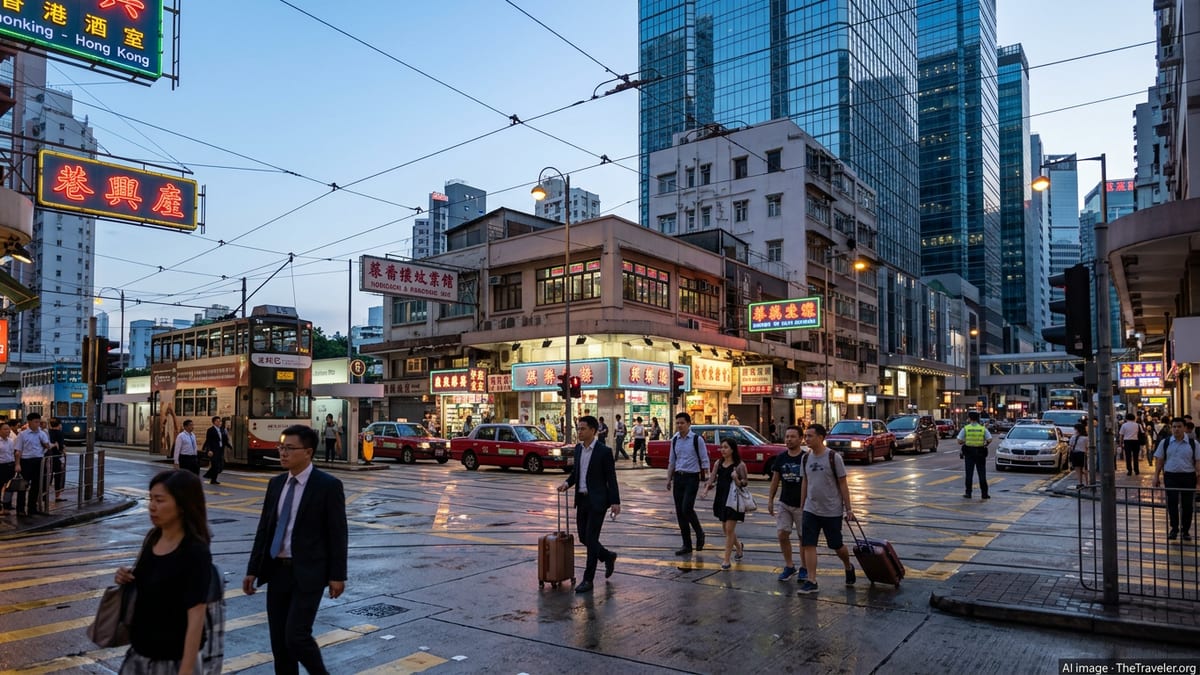
For many visitors, everyday life in Hong Kong feels remarkably safe. Street crime levels are generally low compared with other global hubs, and incidents of violent crime affecting tourists are relatively rare. You can walk through busy districts such as Central, Tsim Sha Tsui or Causeway Bay late into the evening and see families, office workers and travelers out on the streets, with convenience stores, restaurants and public transport running well into the night. Solo travelers, including women, often report feeling secure using the Mass Transit Railway, trams and buses even after dark.
Official figures from the Hong Kong government indicate that overall crime has ticked up slightly in recent years, with particular concern around fraud and technology‑enabled scams. At the same time, the authorities continue to highlight that violent crime remains comparatively rare for a dense metropolis. Police patrols are common in nightlife and shopping districts, CCTV coverage is extensive, and public areas are generally well lit. Visitors who take normal big‑city precautions are unlikely to encounter serious crime.
From a traveler’s perspective, the main safety talking points have shifted away from street protests, which dominated headlines in 2019, toward cybercrime, outdoor incidents such as hiking accidents, and the evolving legal and political environment. Hiking rescues involving tourists have risen as more visitors head to Hong Kong’s country parks and underestimate the terrain, heat and distance involved. Extreme weather events, including powerful typhoons that can disrupt transport and close attractions, are another recurring safety consideration, particularly between June and October.
It is worth separating physical safety from legal and political risk. Day to day, Hong Kong functions much like other major Asian cities: people commute, shop and dine out, and visitors enjoy world‑class food, hiking and harbor views with relatively little trouble. However, the legal framework has changed in ways that matter for some travelers, particularly those who are politically active, work in sensitive fields, or plan to discuss Hong Kong or mainland Chinese politics while in the city.
Crime, Scams and Street‑Level Risks
Traditional street crime in Hong Kong, such as pickpocketing and bag snatching, tends to be concentrated in crowded areas and public transport at peak times. Busy MTR stations, popular markets and major events can attract opportunistic thieves. Simple precautions go a long way: keep bags zipped and in front of you in packed trains, avoid displaying large amounts of cash or expensive jewelry, and stay aware of your belongings when taking photos or checking your phone.
By far the fastest‑growing risk category involves fraud and scams, many of which now take place online or by phone but can still affect visitors. Authorities and consular advisories have highlighted investment scams, fake job offers, romance scams and impersonation calls claiming to be from police, couriers or immigration officials. While these usually target residents, visitors may receive scam calls on roaming numbers or local SIM cards. As a rule, treat any unsolicited contact demanding money, personal data or “fines” with skepticism, and verify claims directly through official channels, not numbers provided by the caller.
Tourist‑oriented scams in Hong Kong are less prevalent than in some regional destinations but they do occur. Overcharging at certain bars or massage parlors, inflated bills for seafood or live produce, and aggressive watch or electronics sales have all been reported. In entertainment districts such as Tsim Sha Tsui’s side streets or Wan Chai’s older nightlife alleys, visitors should be cautious about being lured into upstairs bars or “special deals” without clear menus and prices. Insist on seeing a full price list before ordering, and do not be shy about walking away if something feels off.
Card fraud and ATM skimming are relatively uncommon but not unheard of. Use ATMs attached to banks or in major shopping centers, shield your PIN, and check card statements afterward. Mobile payments are widely used by locals, but tourists can safely rely on credit cards and cash in most places. If a merchant insists on routing a card transaction through an unfamiliar app or device, or pressures you to sign blank receipts, decline the purchase or choose another business.
Understanding Hong Kong’s Evolving Laws and National Security Rules
Since 2020, Hong Kong has been reshaped by the imposition of a national security law by Beijing and the subsequent Safeguarding National Security Ordinance adopted locally in 2024. These laws created broadly defined offenses such as secession, subversion, collusion with foreign forces, sedition and certain types of state secrets violations. They carry serious penalties, and some cases have involved lengthy pre‑trial detention and restricted access to bail. Authorities emphasize that the laws target a small number of individuals and claim they restore stability, but critics argue they have chilled free expression and political activity.
For short‑term tourists who are not involved in activism, the direct impact of these laws is usually limited. You are not required to agree with the government, and ordinary discussions of daily life, food or sightseeing are of no concern. However, political speech, especially public or organized activity that might be interpreted as supporting Hong Kong independence, calling for sanctions, or coordinating with foreign political groups, can carry legal risk. Travelers working in media, academia, non‑governmental organizations or advocacy should take particular care with what they plan to do or say in the city.
Foreign governments, including the United States, United Kingdom, Australia and others, have updated their travel advisories to reflect these legal changes. Some warn that dual nationals and individuals who have engaged in political advocacy abroad may face higher legal risk if authorities deem their actions to fall under national security provisions. Hong Kong has also issued arrest warrants and financial bounties for certain overseas activists, contributing to a more complex environment for people who have taken public political positions.
Visitors should understand that Hong Kong law can apply extraterritorially in some national security cases, and that authorities have considerable discretion in how these provisions are interpreted. While the overwhelming majority of tourists pass through immigration without incident, it is sensible to avoid bringing protest materials, highly sensitive documents or encrypted drives that might attract attention at the border. Political slogans on clothing or accessories are unlikely to matter for most people but may be seen differently if connected to organized activism.
Policing, Protests and Freedom of Expression for Visitors
Hong Kong’s streets today are much quieter politically than during the mass demonstrations of 2019. Large‑scale unauthorized protests are rare, and public assemblies tend to be tightly managed by police under public order and national security laws. For tourists, this means that stumbling into a major protest is far less likely than it was a few years ago. When events do occur, they are usually heavily policed, and authorities may cordon off areas or close nearby streets and transport stops.
Current foreign travel advice broadly encourages visitors to avoid any demonstrations or large political gatherings that do take place. Not only can police deploy crowd‑control tactics at short notice, but being present near security‑sensitive events may raise questions if officers decide to check identification or search bags. Photography of police operations, sensitive infrastructure or government buildings, while not completely prohibited, can attract scrutiny if done in an intrusive or confrontational way.
Freedom of expression for visitors is more constrained in practice than it was a decade ago, even if daily life still feels open in many respects. Media outlets and civil society groups operate within tighter boundaries, and certain slogans or symbols associated with prior protest movements have been banned by court rulings. As a traveler, you can read a wide range of international media on your own devices and discuss current affairs in private conversations, including with friends in Hong Kong. Where risks increase is when expression becomes organized, public or explicitly aimed at challenging state authority.
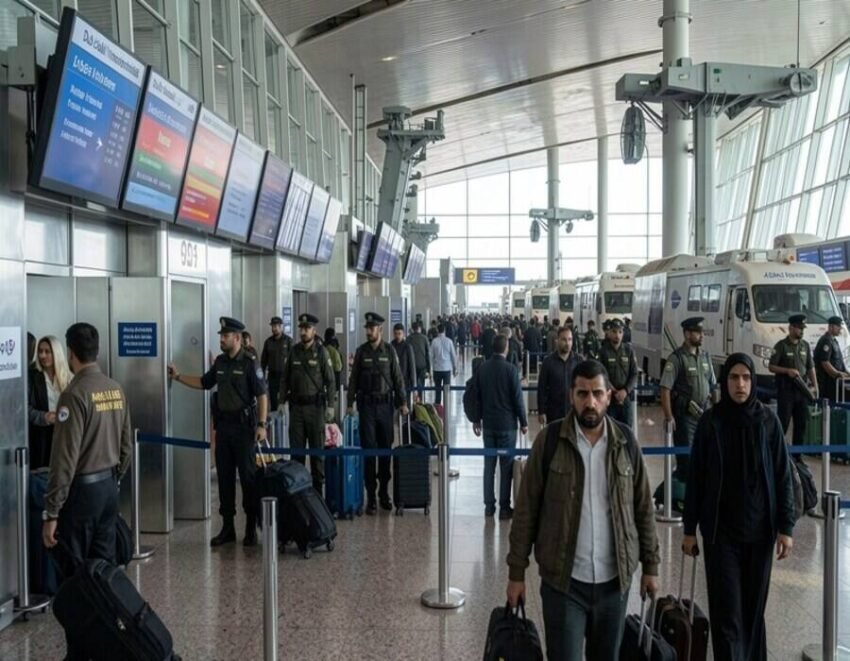
Police powers of stop and search remain broad, particularly under national security legislation and public order rules. Officers may request identification, inspect bags, or ask questions in transport hubs, nightlife areas or near sensitive sites. For most tourists, such interactions, if they occur at all, will be brief and polite. Complying calmly, avoiding argument on the street and following up later with your consulate if you feel your rights were violated is generally the safest approach.
Natural Hazards, Health and Outdoor Safety
Hong Kong’s climate and geography present distinct safety considerations, especially for travelers drawn to its beaches and hiking trails. The city sits in a subtropical zone prone to intense heat, humidity and powerful typhoons. Between roughly June and October, tropical cyclones in the South China Sea can trigger severe weather warnings, suspend public transport and close attractions, including theme parks and cable cars. In 2025, for example, a strong typhoon brought hurricane‑force winds, flooding and flight disruptions, underlining the importance of monitoring weather signals during storm season.
The Hong Kong Observatory operates a tiered warning system for rainstorms and typhoons, and local media report these alerts constantly. Visitors should pay close attention to hotel notices and official advisories, and avoid going out on the water, hiking or visiting outlying islands when strong signals are in force. During serious storms, ferries stop running, many businesses close and residents shelter indoors. It is wise to build some flexibility into your itinerary in case of weather‑related changes and ensure travel insurance covers delays and cancellations.
Hiking has become a significant draw for tourists, from the Dragon’s Back trail on Hong Kong Island to longer routes in the New Territories and Lantau Island. Authorities and local media have noted a rise in incidents involving tourists needing rescue from country parks due to heat exhaustion, disorientation, slips or falls. Many visitors underestimate how rugged and exposed some trails can be, or set out late in the day without enough water, proper footwear or a clear sense of the route. Always check trail difficulty, start early in hot months, carry adequate water and sun protection, and let someone know your plans if attempting longer hikes.
Health care in Hong Kong is high quality, with a dense network of public hospitals and private clinics. For minor ailments and injuries, community clinics and private doctors are accessible, though costs at private facilities can be high for those without insurance. Tap water in urban areas is generally treated to safe standards, but aging building pipes mean many residents still prefer filtered or bottled water. Food hygiene in established restaurants and food courts is typically good; more caution is advisable with small, unlicensed street stands, particularly in hot weather.
Practical Safety Tips: Getting Around and Staying Out of Trouble
Hong Kong’s public transport network is one of its strengths from a safety perspective. The MTR subway, buses, trams and ferries are widely used by all segments of society and are generally clean, well lit and monitored. Late at night, some bus routes and the all‑night airport bus services remain busy, and many visitors feel comfortable using them instead of taxis. As in any dense city, keep an eye on bags during rush hour, and be prepared for crowded platforms and trains in core business districts.
Taxis are plentiful, metered and relatively tightly regulated. Drivers are required to display licenses, and overcharging is less common than in some neighboring cities, although circuitous routes or refusal of short fares can occur. Use official red urban taxis in central areas, and note the vehicle number in case you leave belongings behind. Ride‑hailing options exist through locally approved services; if you are using a car summoned through an app, confirm the license plate before boarding and sit in the back seat.
Pedestrian safety requires some adjustment for visitors from countries that drive on the right, as Hong Kong follows left‑hand traffic rules. Look for painted arrows at many crossings that indicate the direction of oncoming vehicles, and wait for pedestrian signals where available. In older neighborhoods with narrow pavements, delivery scooters and trucks may share tight spaces with walkers, so avoid stepping into the road while using your phone or taking photos.
Alcohol‑related incidents occasionally occur in nightlife districts such as Lan Kwai Fong or parts of Wan Chai, usually late at night on weekends. Police maintain a visible presence, and bar staff are used to managing crowds during major holidays and events. Standard nightlife precautions apply: watch your drink, stay with trusted companions, and avoid confrontations with intoxicated patrons. Drug possession and trafficking are treated very seriously in Hong Kong, with strict penalties; even small quantities of illegal substances can result in arrest, pre‑trial detention and lengthy court processes, so it is safest to avoid them entirely.
Legal Concepts Foreign Visitors Often Overlook
Travelers sometimes underestimate how differently certain behaviors are viewed under Hong Kong law compared with their home countries. Defamation, for example, can have both civil and criminal consequences, and public accusations or provocative signs may be treated more seriously than expected, especially if directed at officials. Filming in courts, immigration areas or some security‑sensitive sites is restricted. Unauthorized drone use near airports, government buildings or dense urban districts can also draw police attention, with fines or confiscation for non‑compliance.
Immigration and visa rules are strictly enforced. Most visitors from North America, Europe, parts of Asia and Oceania receive visa‑free entry for limited periods, but overstaying, working without authorization, or misrepresenting the purpose of your visit can lead to detention and removal. Airline staff at departure points may deny boarding if they believe you lack the right documentation, and immigration officers have discretion to question travelers on arrival. Always check entry and transit requirements with official sources before travel, especially if you hold a passport subject to additional conditions.
Privacy expectations also differ. Public spaces are heavily surveilled, and it is common for shopping centers, transport hubs and residential estates to have CCTV coverage. While this contributes to a feeling of security, it also means that visitors who engage in disruptive or unlawful behavior are more likely to be identified. On the other hand, taking photos of people without consent, while often legal in public settings, can be culturally insensitive and may provoke confrontations, particularly if children are involved.
Finally, be aware that Hong Kong has implemented updated road safety and equipment regulations, including stricter seat belt and child restraint rules in vehicles. Fines for non‑compliance can be significant, and responsibility may fall on both driver and passenger. When traveling in taxis or private cars, use seat belts wherever provided, and request appropriate child seats from car services if you are visiting with young children.
The Takeaway
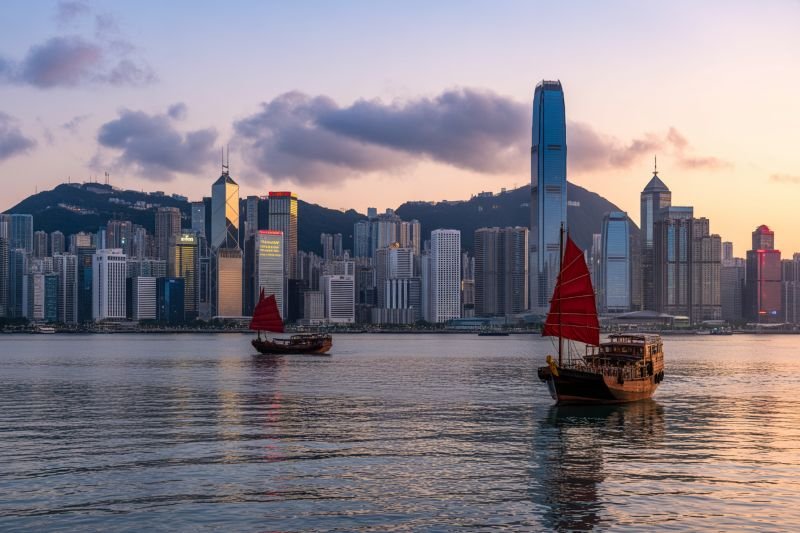
For most tourists, Hong Kong remains a very safe destination in terms of everyday crime, transport reliability and public health. Violent crime affecting visitors is uncommon, and the city’s dense, illuminated streets and extensive public transport make it easy to move around at almost any hour with a strong sense of security. Its combination of skyscraper skylines, harbor views and accessible hiking continues to attract millions of regional and international visitors each year.
At the same time, the legal and political context has changed significantly since the late 2010s. National security and public order laws are now central features of Hong Kong’s legal landscape, and foreign governments highlight them in their travel advisories. While most short‑term visitors are unlikely to encounter problems if they steer clear of political activity and follow local laws, those with a history of activism or work touching on sensitive topics should consider their personal risk carefully and follow developments before booking.
The main practical risks for typical travelers involve scams, extreme weather and outdoor safety. Cyber and phone fraud have grown rapidly, and hiking rescues involving visitors have increased as more people explore the territory’s rugged trails. Typhoons and intense rainstorms can disrupt flights and local transport, requiring flexibility and attention to local warnings. Thoughtful preparation, from buying suitable travel insurance to checking weather forecasts and official advisories, will go a long way toward ensuring a smooth trip.
Ultimately, whether Hong Kong feels like the right destination for you now depends on your personal risk tolerance, reasons for visiting and willingness to adapt to a more tightly regulated environment than in the past. For travelers focused on food, culture, shopping and nature, who are prepared to avoid political involvement and respect local rules, Hong Kong can still offer a rich and relatively secure urban experience.
FAQ
Q1. Is Hong Kong generally safe for solo travelers, including women?
Yes. Solo travelers, including women, typically find Hong Kong very safe, with low levels of street harassment, extensive public transport and busy streets late into the evening.
Q2. Should I be worried about the national security laws as a tourist?
Most tourists are unaffected if they avoid political activity and sensitive organizing. The greatest concern is for activists, journalists or advocates whose work directly touches on Hong Kong or Chinese politics.
Q3. Are there specific neighborhoods tourists should avoid at night?
No major districts are considered off‑limits, but it is wise to be extra aware in crowded nightlife areas and back alleys around bars that aggressively solicit customers.
Q4. How common are tourist scams in Hong Kong?
Tourist scams exist but are less widespread than in some regional cities. The main issues involve overcharging in certain bars or restaurants and online or phone‑based fraud.
Q5. Is it safe to join or photograph protests if I see one?
Authorities and foreign travel advisories recommend avoiding protests. Being present can expose you to police action or legal scrutiny, and photographing sensitive operations may attract attention.
Q6. What are the main weather‑related risks for visitors?
Typhoons, heavy rainstorms, heat and humidity are the key risks. These can disrupt travel and make hiking hazardous, especially between summer and early autumn.
Q7. How safe is Hong Kong’s public transport system?
Public transport is widely regarded as safe, clean and efficient. Crime on trains and buses is relatively low, though you should still watch your belongings during peak hours.
Q8. Can I talk about politics in private while visiting Hong Kong?
Private, low‑key conversations among friends are common, but organized, public or confrontational political activity can carry greater risk under current laws.
Q9. Do I need any special vaccinations or health precautions?
No unusual vaccinations are typically required beyond routine immunizations, but travel insurance and standard hygiene practices are strongly recommended.
Q10. What should I do if I am detained or have legal problems in Hong Kong?
Stay calm, comply with lawful instructions, request to contact your consulate or embassy, and avoid signing documents you do not understand without qualified legal advice.