Published on
March 24, 2026

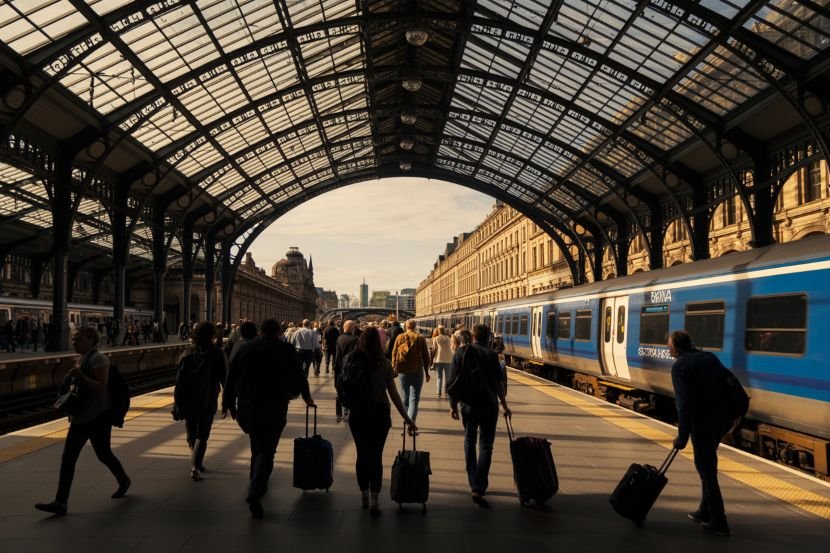
Image generated with Ai
After weeks of disruption, Glasgow Central Station in Scotland is preparing for a complete reopening, marking a major step forward for rail travel in the United Kingdom. The disruption began when a severe fire broke out on Union Street, impacting a neighboring historic building and forcing partial closure of the country’s busiest rail hub. Now, with all platforms set to resume operations, the development is expected to restore normalcy for thousands of daily commuters and tourists alike. The reopening of Glasgow Central Station in Scotland not only signals recovery for local transport but also boosts confidence for travelers planning journeys across the UK. Despite ongoing repair work around the main entrance, the station’s return to full service is being seen as a crucial milestone for regional connectivity and tourism.
A Historic Rail Hub Back on Track After Major Disruption
Two weeks after a destructive fire incident near Union Street, full services are being restored at Glasgow Central Station, widely recognized as the busiest railway station in Scotland. The fire, which originated in a vape shop, spread rapidly through an adjacent B-listed Victorian structure, causing structural collapse and forcing authorities to suspend access to several platforms.
While the station itself escaped catastrophic damage, safety concerns and debris from the affected building led to restricted operations. A phased reopening began earlier, with low-level platforms resuming service first. Now, platforms one through six are also ready to welcome passengers again, effectively restoring the station’s full operational capacity.
Rail authorities have indicated that both regional and cross-border services will return to their regular schedules, reconnecting Glasgow with key destinations such as London, Edinburgh, and other major cities.
Advertisement
Advertisement
The Ripple Effect on UK Travel and Tourism
The temporary shutdown significantly affected rail movement across Scotland and beyond. According to data from the UK’s rail infrastructure system, Glasgow Central handles over 30 million passengers annually, making it a vital artery for both domestic commuters and international visitors exploring Scotland.
The disruption impacted:
Advertisement
Advertisement
- Daily commuters within the Glasgow metropolitan area
- Tourists traveling to scenic destinations like the Scottish Highlands
- Business travelers relying on direct routes to England
With full services resuming, tourism stakeholders anticipate a rebound in visitor movement, especially as spring and summer travel seasons approach. Glasgow often serves as a gateway to iconic attractions such as Loch Lomond and the western Highlands, making the station’s recovery crucial for the broader tourism economy.
Business Recovery Fund Brings Relief to Affected Enterprises
Beyond travel disruption, the fire caused severe economic damage to nearby businesses. A recovery initiative backed by public funding has now been rolled out to support affected enterprises.
The financial assistance structure includes:
- £25,000 grants for 73 businesses that lost their premises
- £15,000 support for 78 businesses located within the ongoing safety cordon
- £2,000 relief for approximately 700 businesses impacted during the initial emergency phase
This funding program, administered by Glasgow City Council, is part of a broader £10 million recovery package committed by the Scottish government. The initiative aims to stabilize the local economy and help businesses reopen, particularly those dependent on high footfall from commuters and tourists.
What Travelers Should Know Before Arriving
Smart Navigation Tips Amid Partial Closures
Even though all platforms are reopening, some parts of the station remain inaccessible. Travelers planning to pass through Glasgow Central Station should keep these practical tips in mind:
- The main entrance on Gordon Street is still closed due to ongoing demolition work
- Alternative access points via Hope Street and low-level entrances are fully operational
- Certain sections of the main concourse remain restricted
Signage and staff assistance have been enhanced to guide passengers efficiently through the modified layout.
How This Impacts Scenic Rail Journeys in Scotland
For travelers eager to explore Scotland’s landscapes, the reopening brings welcome relief. Routes connecting Glasgow to destinations like Balloch, Milngavie, Motherwell, and Cumbernauld are fully functional again.
These lines are particularly popular for:
- Day trips to nature spots
- Cultural excursions to smaller Scottish towns
- Access to hiking and outdoor adventure routes
The restored connectivity also supports international tourists who often rely on Glasgow as a starting point for rail-based exploration across Scotland.
Infrastructure Resilience and Safety Measures
The incident has highlighted the importance of safety protocols around heritage buildings and busy transit hubs. The affected Victorian structure’s collapse underscored vulnerabilities in older urban architecture, especially when repurposed for modern commercial use.
Rail authorities have since:
- Conducted extensive safety inspections across the station
- Reinforced structural monitoring systems
- Coordinated closely with emergency services and city planners
Such measures are expected to improve resilience and minimize risks in the future, ensuring safer travel experiences for millions of passengers.
A Boost for Glasgow’s Image as a Travel Gateway
Why This Reopening Matters Beyond Commuters
Glasgow is not only a commercial hub but also a cultural hotspot, attracting millions of visitors annually. The city is known for its vibrant arts scene, historic architecture, and proximity to natural attractions.
The full reopening of its central railway station:
- Restores confidence among international travelers
- Enhances accessibility to major events and festivals
- Strengthens Glasgow’s position as a key entry point into Scotland
With improved rail connectivity, visitors can seamlessly travel between urban centers and remote scenic regions, a major draw for tourism in the UK.
Looking Ahead: Travel Confidence Rebuilt
The reopening of Glasgow Central Station marks a significant turning point after weeks of disruption caused by the Union Street fire. While some recovery work continues, the return of full rail services is expected to normalize travel patterns and support economic recovery in the surrounding area.
As the station resumes its role as a central hub, both commuters and tourists can look forward to smoother journeys across Scotland and the wider United Kingdom. The incident, while disruptive, has ultimately reinforced the resilience of the region’s transport infrastructure and its readiness to handle future challenges.