Published on
March 23, 2026

Image generated with Ai
As the ongoing geopolitical turmoil in the Middle East forces airlines to reroute flights and adjust schedules, Southeast Asia’s travel hubs, including Malaysia, Thailand, Singapore, Hong Kong, and Bali, are expanding their connectivity to accommodate travelers and mitigate the impact of longer flight times and increased fares. With airspace over conflict zones like Iran closed, airlines are opting for longer and more fuel-intensive routes, resulting in higher operational costs. These adjustments have led to increased ticket prices and fewer available flights, disrupting tourism, particularly to destinations like Thailand and Bali. However, regional airports are leveraging the situation by positioning themselves as stable and strategic stopover points, boosting their connectivity and offering travelers more options during these challenging times.
The ongoing geopolitical tensions in the Middle East, which escalated on February 28, have led to significant disruptions in the global aviation industry. Airlines are being forced to reroute flights to avoid airspace over conflict zones, resulting in longer flight times, higher fuel consumption, and increased operational costs. These changes are reverberating across various sectors, particularly tourism, as longer and more expensive flights strain travel demand.
As airlines adjust their routes, Southeast Asia’s tourism sector, especially destinations like Thailand and Indonesia, faces an uncertain future. While some countries in the region are better positioned to weather the storm, others may struggle to cope with the ripple effects. The travel landscape is being reshaped, with airlines making strategic decisions about which routes to prioritize and how to manage the growing complexities of air travel.
Airline Route Disruptions and Rising Costs
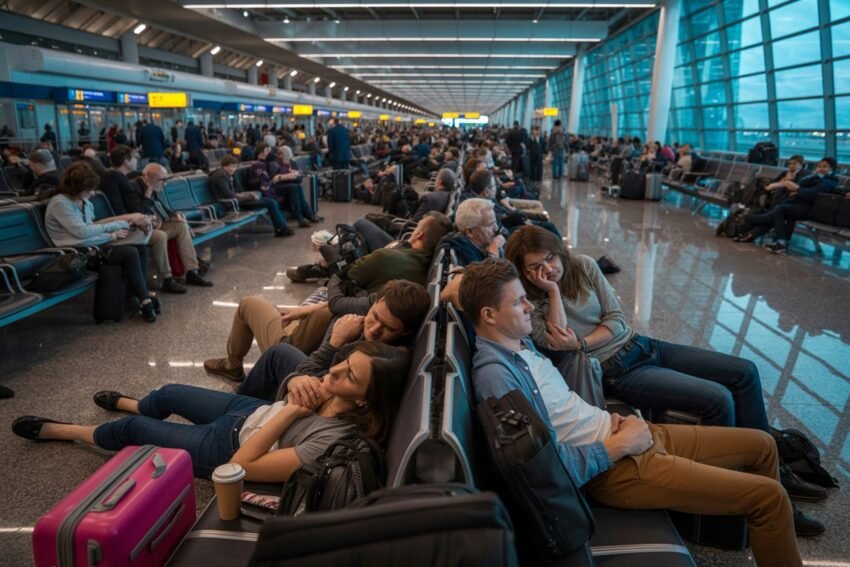
Since the conflict began, airlines have been rerouting flights to avoid Middle Eastern airspace, particularly areas surrounding Iran. This redirection forces planes onto longer flight paths, adding additional fuel costs and extending travel times. As a result, travelers can expect increased fares and potential schedule adjustments as airlines work to mitigate the rising operational expenses. With flight detours lengthening travel durations, ticket prices for long-haul flights are expected to remain high.
Advertisement
Advertisement
These airspace restrictions have triggered an increase in fuel surcharges, and airlines are adjusting their fare structures to account for the increased cost of operation. As flight times lengthen, demand for long-haul travel, particularly from price-sensitive travelers, may soften. This trend could affect the broader tourism industry, with travelers reconsidering their plans due to higher costs and extended travel times.
Southeast Asia’s Tourism Faces Mixed Impacts
The impact of these disruptions is most significant in Southeast Asia, where certain countries heavily rely on long-haul travelers. As airlines adjust their schedules and route structures, some destinations in the region are expected to experience notable challenges. Key tourist destinations in Southeast Asia, especially those reliant on European visitors, face the possibility of declining visitor numbers.
Advertisement
Advertisement
Thailand: Facing the Brunt of the Disruption
Thailand, one of Southeast Asia’s most popular tourist destinations, is particularly vulnerable to the ongoing disruption. The country sees a large influx of European travelers, who are now faced with longer travel times and higher flight costs due to the airspace restrictions. Additionally, with fewer seats available on flights to Thailand, tourists from Europe may be deterred from visiting during peak seasons.
This situation could have a lasting impact on the Thai tourism industry, which depends heavily on international visitors. As the conflict continues, fewer flights to Thailand could result in weaker tourist demand. Hotels, attractions, and local businesses in major tourist hubs like Bangkok and Chiang Mai may feel the pinch of reduced bookings, especially if the disruptions persist for an extended period.
Bali, Indonesia: A Key Destination at Risk
Bali, Indonesia’s premier tourist destination, is similarly exposed to the disruptions in international air travel. The island is a favorite among European travelers, and as air routes are altered and flight times are extended, the risk to Bali’s tourism economy grows. Longer flights and fewer available seats could mean a decline in European arrivals, especially during the high season when demand is typically at its peak.
In addition to European visitors, Bali also attracts travelers from other parts of the world, such as Australia and the United States. However, the loss of European tourists could have a disproportionate effect on the local economy, as these visitors tend to stay longer and spend more money on accommodations, activities, and local services. The tourism industry in Bali is at a critical juncture, and the coming months will determine whether it can adapt to these disruptions or whether a prolonged decline in European arrivals will take its toll.
Malaysia: A More Resilient Destination
In contrast to Thailand and Bali, Malaysia appears to be better positioned to handle the disruption. While European visitors account for a significant portion of Malaysia’s tourism industry, they represent less than 15% of total arrivals. This smaller dependency on European tourists provides the country with a degree of resilience in the face of changing flight routes and longer travel times.
Although some outbound flights from Kuala Lumpur International Airport, particularly to Middle Eastern destinations, have been canceled, Malaysia’s tourism sector is expected to remain relatively stable. Strong demand from East Asia, India, and Southeast Asia could help offset any decline in European visitors. Additionally, Malaysia’s ongoing tourism campaigns, such as Visit Malaysia 2026, and the continuous development of new tourism infrastructure, may support the country’s appeal during these challenging times.
Strategic Opportunities for Regional Hubs
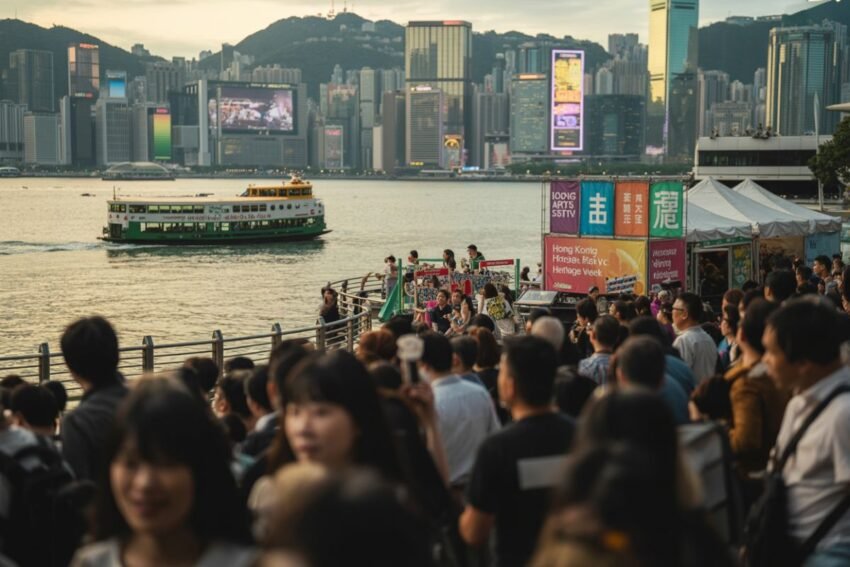
The disruption in air travel has also created opportunities for certain airports in Southeast Asia to strengthen their positions as alternative transit hubs for travelers heading to Europe. With airlines reassessing the safety and reliability of Gulf region transit points, airports in countries like Thailand, Singapore, Hong Kong, and Malaysia have the chance to capitalize on this shift.
Airports in these countries could position themselves as safer and more stable stopover hubs, offering travelers a more convenient and reliable option for connecting flights to Europe. Malaysia, for instance, has already seen an increase in capacity, with extra flights to cities like London and Paris being added to accommodate rerouted travelers. As the aviation industry reassesses flight paths, regional hubs in Southeast Asia could see increased demand, creating new opportunities for growth in the coming months.
Rising Fares and Tourism Outlook
While these regional hubs may benefit from the disruptions, the immediate outlook for Southeast Asia’s tourism industry remains costly. As airlines continue to adjust their routes and capacity to account for the increased operational costs, fares to Europe are expected to remain elevated. This will likely continue to weigh on demand for long-haul travel to Southeast Asia, particularly among price-sensitive tourists.
Tourism in the region will likely face a mixed picture, with some destinations benefiting from strategic adjustments, while others may struggle to attract visitors. The ongoing conflict is expected to continue disrupting global aviation and tourism for the foreseeable future. As flight times lengthen, fares rise, and seat availability decreases, Southeast Asia’s tourism industry must adapt quickly to the changing dynamics of international travel.
As geopolitical tensions continue to affect air travel, the tourism industry in Southeast Asia finds itself at a crossroads. Destinations like Thailand and Bali are particularly exposed to the effects of flight route changes and higher travel costs, while Malaysia is more resilient due to its diversified tourist base. In the long term, Southeast Asia’s tourism sector will need to adjust to the evolving landscape, balancing the challenges posed by the disruptions with the opportunities created by the shifting dynamics of international travel.