[The content of this article has been produced by our advertising partner.]
Hong Kong is rapidly consolidating its role as Asia’s premier design and creative hub. By aligning strategic policy with both local and national development plans, the city is attracting investment, fostering cross border collaboration, and scaling creative enterprises.
Anchored by institutions such as the HKDI, Hong Kong is cultivating a robust, tech-savvy design workforce that blends rigorous education, industry partnerships, and hands-on incubation. Graduates – designers, creative technologists, and cultural entrepreneurs – drive growth not only in local cultural and creative industries but also nationally and beyond.
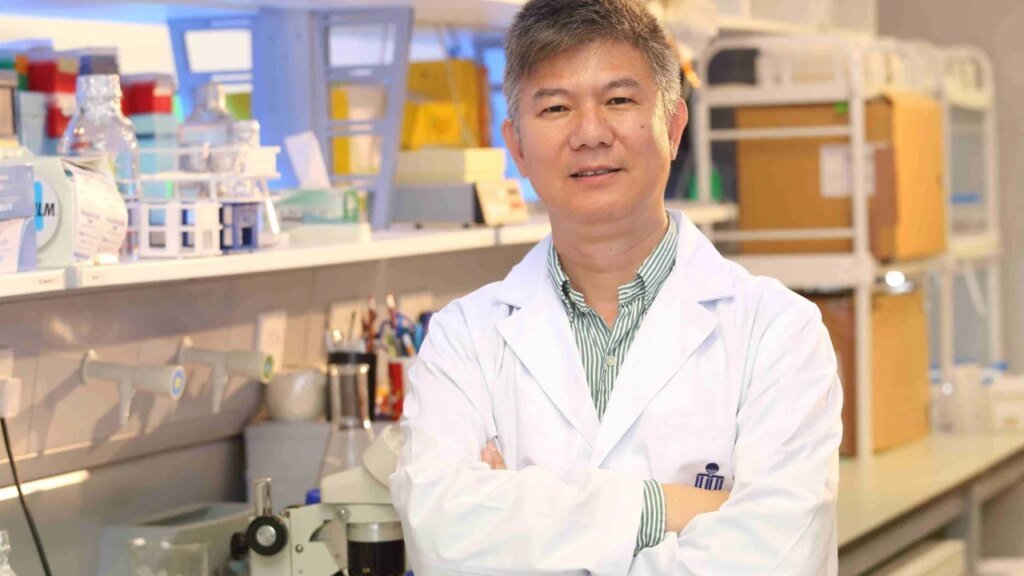
Dr Elita Lam, who took up the role of Principal of the HKDI in 2025, has extensive experience in innovative design education, interdisciplinary teaching, and industry collaboration. She is the driving force behind putting HKDI on Asia’s design spotlight, actively leading HKDI in building a platform that balances thinking and practice, strengthening ties with industry, integrating AI technologies, emphasising humanistic values and social responsibility, and promoting students’ all-round development—to help position Hong Kong as a leading design hub in Asia.
.jpg?itok=wBlUvUf_ "Principal of the HKDI, Dr Elita Lam (left), has extensive experience in innovative design education, interdisciplinary teaching, and academia/industry collaboration.")
Imagine a transdisciplinary, innovation-driven environment where fashion students collaborate with sound and media creators, graphic designers’ prototype with product teams, and architects integrate digital innovation. The result is graduates who think across systems and technologies.
By embedding collaborative projects into its curriculum, HKDI cultivates creative fluency and technical agility, equipping students to tackle complex, cross sector challenges that resonate beyond Hong Kong and across Asia. “Our impact is amplified by industry grade facilities and deep partnerships with eminent professional bodies and firms, giving students hands on access to cutting-edge workshops, labs, and production equipment that meet professional standards,” Lam adds. “Longstanding collaborations, mandatory internships, and regular industry interactions ensure students gain workplace experience, professional networks, and commercial awareness.”
Founded in 2007, HKDI merged four technical Institutes each bringing up to 40 years of vocational training expertise.
Guided by its “Think and Do” pedagogy, HKDI pairs conceptual rigour with prototyping, testing, and business and marketing thinking so that ideas are both imaginative and viable – ready for local, national, and regional application. The commercialisation of students’ design concepts is supported through on-campus retail galleries, Lam notes.
Think and Do
HKDI runs many government funded projects, such as the “Hong Kong Denim Festival,” hosted since 2019, to bridge classroom learning and industry practice. These initiatives keep faculty and students attuned to market trends, provide hands on professional training, and foster collaboration among students, teaching faculty, local designers, alumni, suppliers, and manufacturers, Lam says.
By creating mixed teams and public platforms, these projects generate real business opportunities for the participating designers, while giving students and teachers firsthand exposure to the fashion ecosystem. Government support also enables overseas participation in trade fairs and fashion weeks, broadening industry networks and ensuring HKDI’s community remains competitive and connected.
Aligning with government emphasis on popular culture, HKDI has launched creative initiatives that fuse heritage and contemporary practice to make them relevant in the market. “We established Comics Library that invites renowned local artists such as Tony Wong Yok Long to mentor students and stage exhibitions. We are now planning broader public promotion to share this work more widely,” Lam adds.
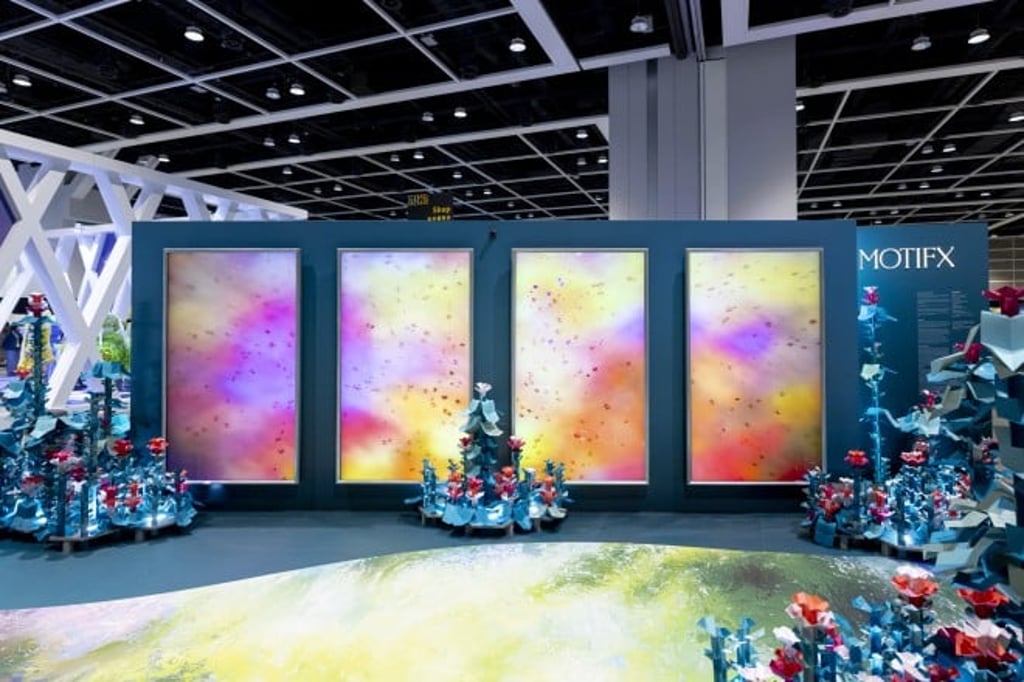
“HKDI’s Retail Lab equips students with an entrepreneurial, market ready mindset by teaching practical business skills, such as visual merchandising, pricing, intellectual property, branding, marketing, social media, and live streaming,” Lam notes. “We also run industry projects and company collaborations, including a commissioned premium gift collection for ICBC (Asia) Bank.”
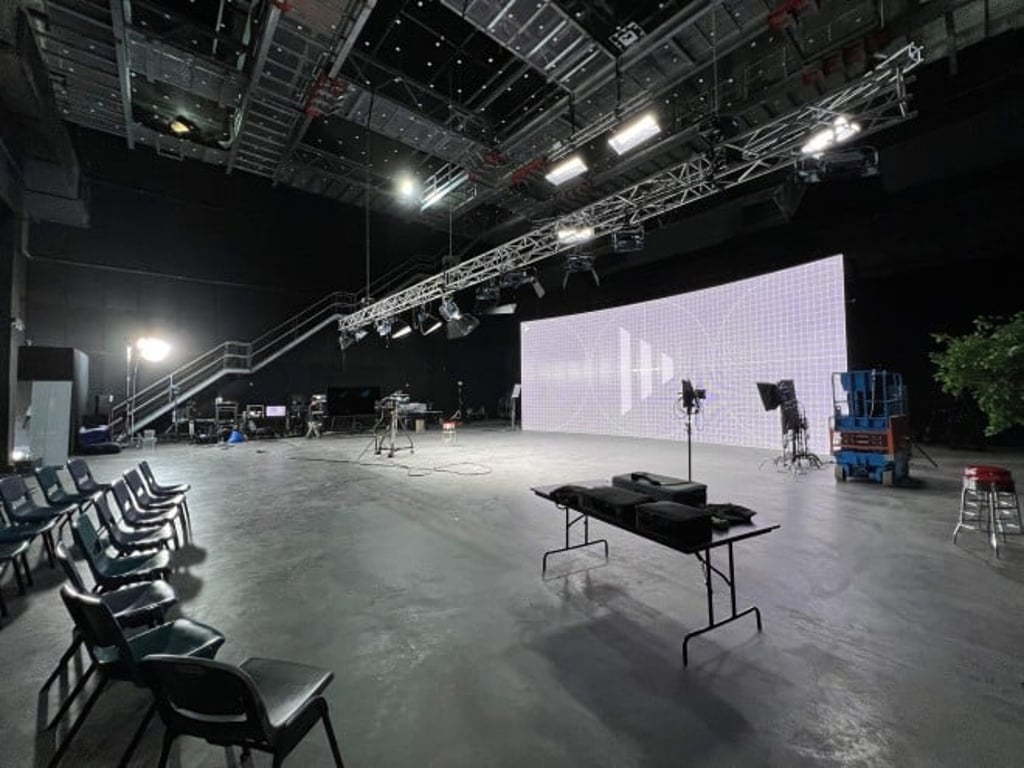
Parallel investments in technology and virtual production give students hands on exposure. HKDI rents a 9000 square feet space in Shaw Studios and fitted it with a 5-by-12-metre micro-LED wall with ultra-high resolution. This studio attracts broadcasters, filmmakers, and commercial teams who collaborate with students on real productions. These initiatives create authentic industry partnerships that prepare graduates for local and overseas markets.
“Because our programmes generate a wealth of original student design work, we have made IP protection a priority: a dedicated task force runs an IP campaign that drafts contracts, delivers training, and enforces stringent safeguards so creators retain control of their work,” Lam adds.
This effort spans every stream of activity – collaboration, commercialisation, exhibitions, and retail – because HKDI’s on campus shops and numerous external partnerships routinely require formal agreements. By combining practical legal guidance with hands-on support, the institute ensures students and alumni can confidently commercialise their designs while protecting their creative rights.
Awards and global outlook
HKDI has cemented its leadership in VPET through award-winning innovation and influential alumni. In 2025, the institute, in partnership with startup Project Kontemp Ltd, won the Red Dot Design Award “Best of the Best” for a temperature-controlled workwear vest that fuses smart technology with traditional Chinese medicine principals. HKDI also earned a Gold Award in the DFA Design for Asia Awards for the VR exhibition Tonight with the Impressionists, Paris 1874 – An Immersive Expedition in Virtual Reality.
HKDI’s global outlook is equally ambitious: it hosts international conferences, country festivals, and annual exhibitions, and runs cross border collaborations. As Lam puts it, “At HKDI, we integrate and we nurture talent for the industry who are well equipped to be leaders in the creative industries in Asia.”