Government said the funding is part of a new strategy which will make the best use of local and hyperlocal media

View of Liverpool city centre’s skyline(Image: Jason Wells/Loop Images/Universal Images Group via Getty Images)
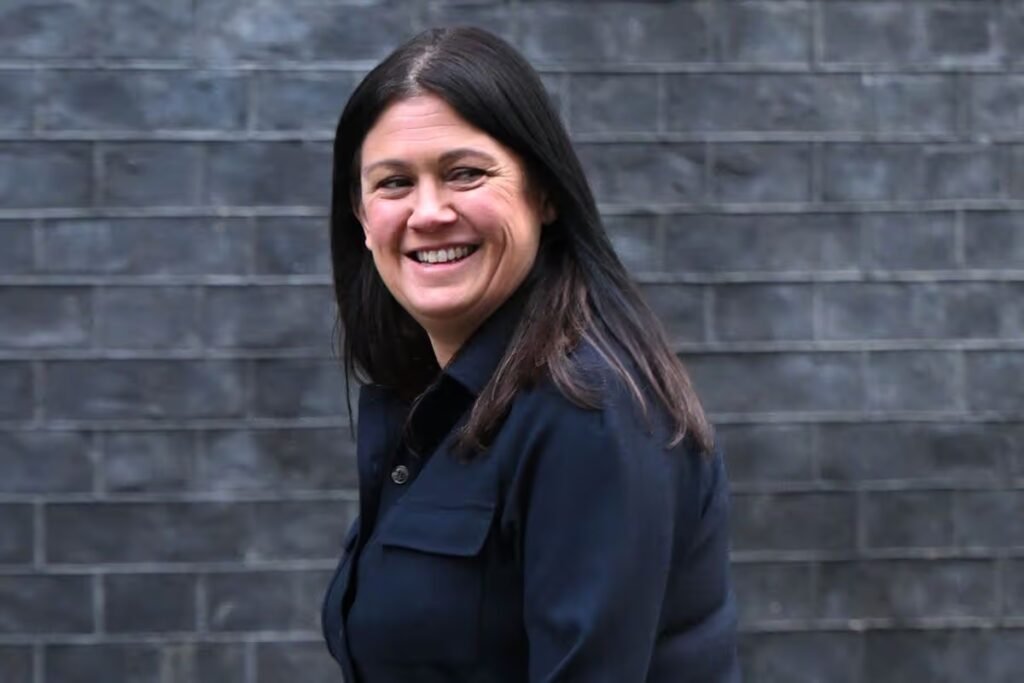
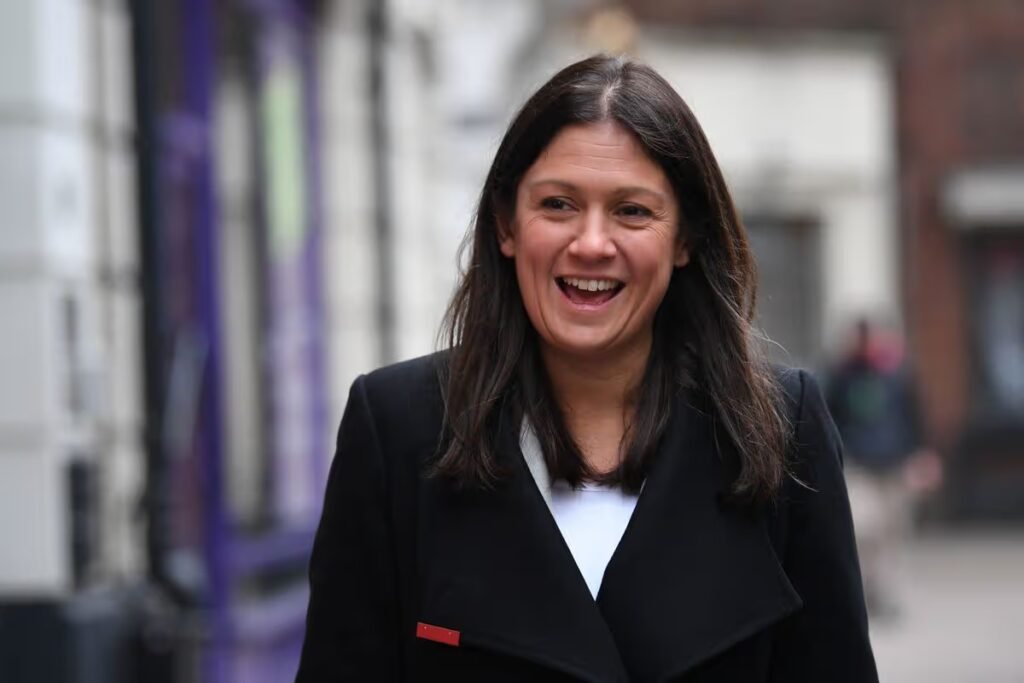
The future of news is local, according to Culture Secretary, Lisa Nandy as she prepares to launch the ‘first local media strategy in a generation’. The plan guarantees up to £12m funding for local media’s digital innovation, including community radio initiates.
Funding for community radio stations will be doubled to £1 million per year (compared with 2024/25) over the next three years, helping to support the long-term sustainability of nearly 400 community radio stations and to encourage the sector’s development in underserved areas.
There is also a plan for campaigns to promote ‘Newspapers for Schools’ in North West England, to inspire young people from all backgrounds to pursue local media careers, and a commitment to guarantee digital access to local and national news in all state schools in England.
The government’s Local Media Strategy also commits central government to ensuring it makes best use of local and hyperlocal media in its advertising and public information campaigns, while helping them to become more competitive and championing their use in commercial advertising.
The Department for Culture, Media and Sport (DCMS) confirmed that where local channels are identified as a good fit for a campaign, the government will always use local media as a trustworthy communications channel. The DCMS said its plan is all part of the steps government is taking to improve social cohesion and ‘protect what matters’.
Speaking at the Society of Editors Future of News Conference, today, Tuesday March 17, the Culture Secretary will back the ‘essential role of local media’ in communities all over the UK.
Ms Nandy will say: “This strategy will provide unprecedented funding for local media outlets to invest in innovation and infrastructure, almost tripling the size of funding for community radio, harnessing the power of local and national government and giving more young people access to high quality journalism and the opportunity to pursue careers in it.
“Because local media was and always has been a ladder of opportunity to help new voices break into journalism. This is not a nice to have. It is essential to a cohesive country.
“Our debate is too narrow and too small. We will change that. The strategy we publish today is the start – not the end point – and we recognise there is more to do.
“But it is the start of a new approach to local media, which nurtures it and places it directly at the heart of our government’s support for our country. Because the future of news is local.”
A new Regional Media Forum in the West of England will explore ways to improve the relationship between journalists and local public services, and includes a wider review of the publication of statutory notices in local newspapers.
Chief Executive of the Society of Editors, Dawn Alford said: “[We welcome] the government’s recognition of the importance of local media and the steps set out in this strategy to support innovation and encourage the next generation of journalists.
“Publishers and editors have been adapting to a rapidly changing media landscape for years, successfully reaching significantly larger audiences through digital platforms while continuing to inform the public, reflect local voices and hold decision-makers to account.
“In fact, some publishers are now reaching 80% of the local population their titles serve – more than ever before.
“A strong local media sector is essential to democratic society, and we look forward to working with government and industry partners to ensure it continues to thrive and serve communities across the UK.”
Local media outlets in print, online, radio or TV will be able to bid for grants to support their financial sustainability and transition to online-focussed business models, under a new multi-year Local News Fund worth up to £12m over the next two years.
The DCMS expects the extra digital tools, resources and infrastructure can help the media industry in its move towards a sustainable future, stemming the closure of titles and journalist redundancies.
For example, new tools and software, such as adtech, apps or better website architecture, could help local media tap into new or younger audiences and revenue streams, according to the DCMS, and simplify and centralise journalists’ access to public records.
News Media Association Chief Executive, Owen Meredith said: “The government’s focus on the sustainability of local journalism and its importance to communities through the package of measures announced in the Local Media Strategy today are very welcome.
“As reader habits change and the way we all access local news evolves with technology, ensuring publishers are properly rewarded for their investment in local journalism is vital, rather than the lion’s share of the value being siphoned off by Big Tech.
“We are particularly pleased to see a clear commitment to make better use of trusted local news environments – which reach 77% of UK adults – for central government advertising, as well as a new £12 million fund to boost local news provision. We are also delighted to be supporting a new campaign aimed at inspiring young people to take up a career in local news media.
“The Strategy also rightly identifies a need to improve transparency in local public bodies – maintaining a strong link between public notices and local news media will be critical to the success of that important work.”
Funding will be distributed to local media outlets in print, online, radio or TV according to the outcomes of a centrally-managed competitive bidding process, with some funding reserved for a parallel competitive process open to third parties which are developing the tools and initiatives from which the whole industry could benefit. Further details on the Fund will be announced in the coming weeks.