If you want to get better rest at night, consider all the lifestyle choices you make during the day. Research shows there is a deep connection between how well you sleep and your physical activity, diet and stress levels.
“It’s absolutely a vicious cycle. Not sleeping well may lead to making poorer choices in all facets of life,” said Marie-Pierre St-Onge, associate professor of nutritional medicine at Columbia University in New York. “Missing sleep may lead to not thinking as clearly, which then leads to poorer choices during the day. The idea is to break this cycle to have healthier sleep at night.”
St-Onge, who is a leading researcher on the links between sleep and overall health, suggests these healthy habits to improve sleep quality.
Tips for better sleep: Try these ABCs to catch more Z’s
A is for activity.
Increase your physical activity — and make it a morning routine.
Exercising in the morning can “help jump-start your day,” St-Onge said. Plus, the exposure to light is good for your circadian rhythm, a natural, internal process that controls the sleep-wake cycle. Of course, any exercise is better than none, so work out later in the day if that works best for you.
B is for bye-bye devices.
Power down the devices near bedtime.
If you’re seeking better sleep, put down the cell phones and other devices late in the evening. St-Onge gives her phone a bedtime: It’s off from 10 p.m. to 7 a.m. every day. “Shining a bright light in your face before bedtime is counterproductive,” she said.
C is for calories.
Balance your calories throughout the day.
When you get more calories late at night, sleep may be less peaceful, St-Onge said. Drinking too many sugary, caffeinated or alcoholic beverages also may lead to more disruptions during the night.
Keep in mind that your dietary needs may change with age. For example, you may be more affected by caffeine as you get older. You might need to have your last cup of coffee earlier in the day, especially if it’s keeping you up at night.
D is for decompressing.
Find a relaxing ritual.
If stress is taking a toll on your sleep, find practices, such as meditation, deep breathing or writing, to help you relax. Practicing gratitude also may help you sleep better, according to some research.
“I’m a list maker, so when I’m stressed, I look at my calendar and plan out when to get everything done. That’s what calms me down,” St-Onge said.
Take a look at how your late-night habits may be affecting your sleep.
“You need to prioritize what’s more important,” she said. “Was that extra hour of work late at night worth it? Was staying up later beneficial? Or did it hurt your sleep and make you more stressed the next day?”
E is for eating.
Eat a heart-healthy diet.
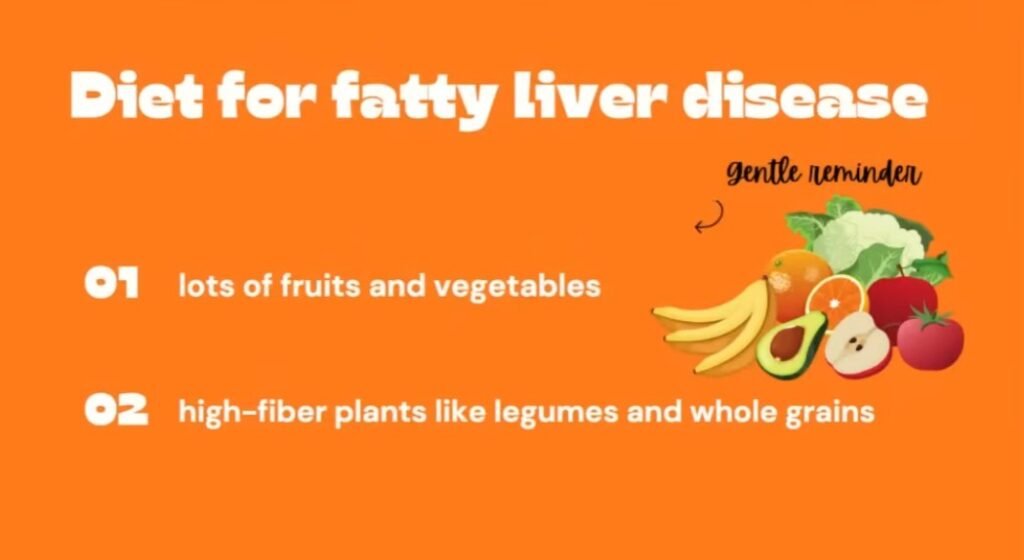
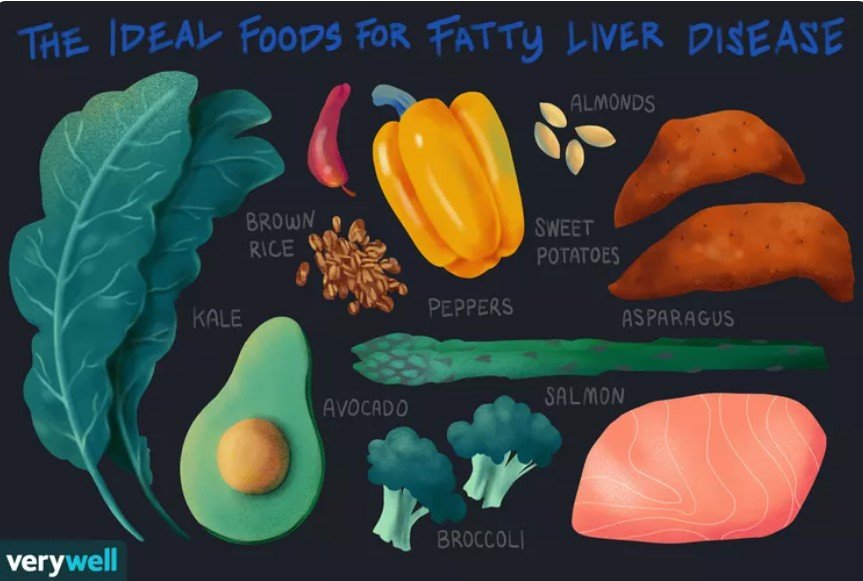
Enjoy plenty of fiber-rich vegetables, fruits, legumes and whole grains. Include nuts and fish into your eating plan. Minimize processed meats, refined carbohydrates and sugary drinks. Avoid trans fats.
This eating style will help you live a longer, healthier life and may help improve your sleep. One study found that eating more saturated fat and added sugar led to less deep sleep, and eating more fiber led to more deep sleep.
Some of these lifestyle changes are based on personal preference, and it may take some trial and error to find what works best for you.
Apps and watches that monitor sleep also can be helpful, but not foolproof. “Forget about your watch,” she said. “If in the morning you are feeling good and refreshed and wake up before your alarm, then it’s a good indication you got good sleep.”
When in doubt, St-Onge said, “trust your instincts.”