Published on
February 28, 2026
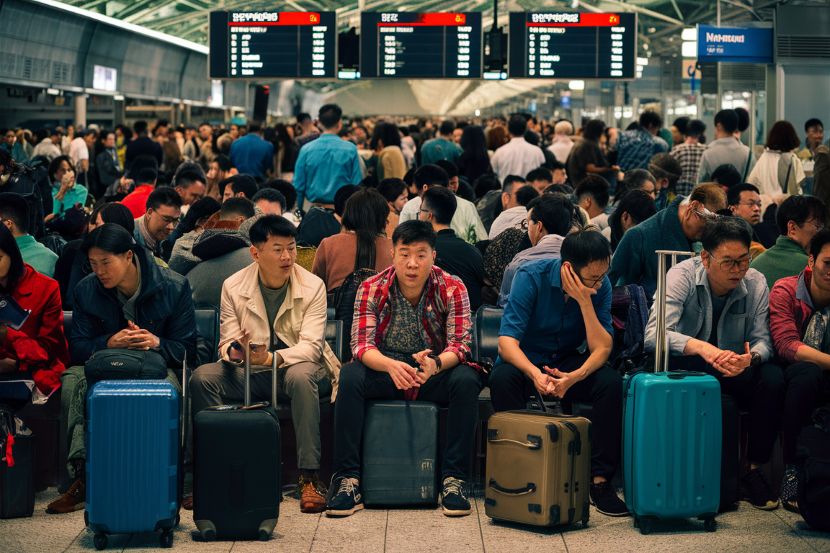
Image generated with Ai
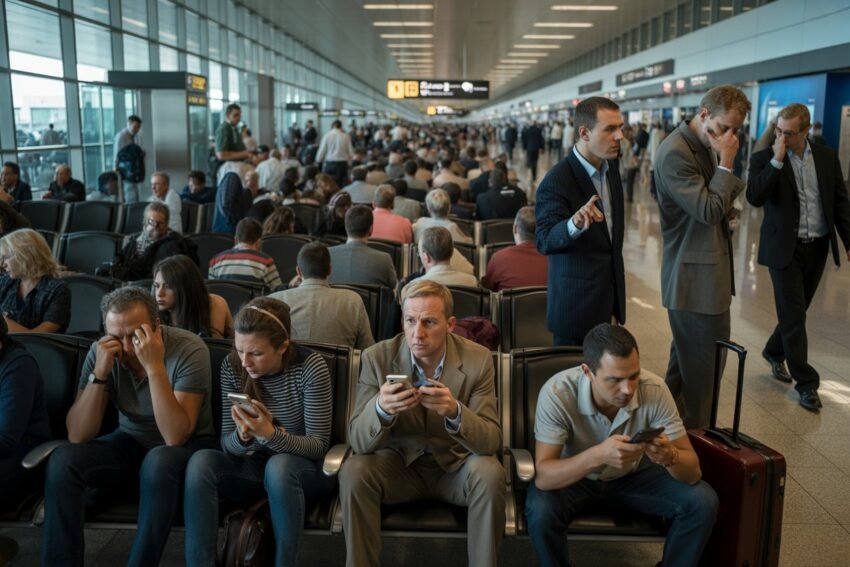
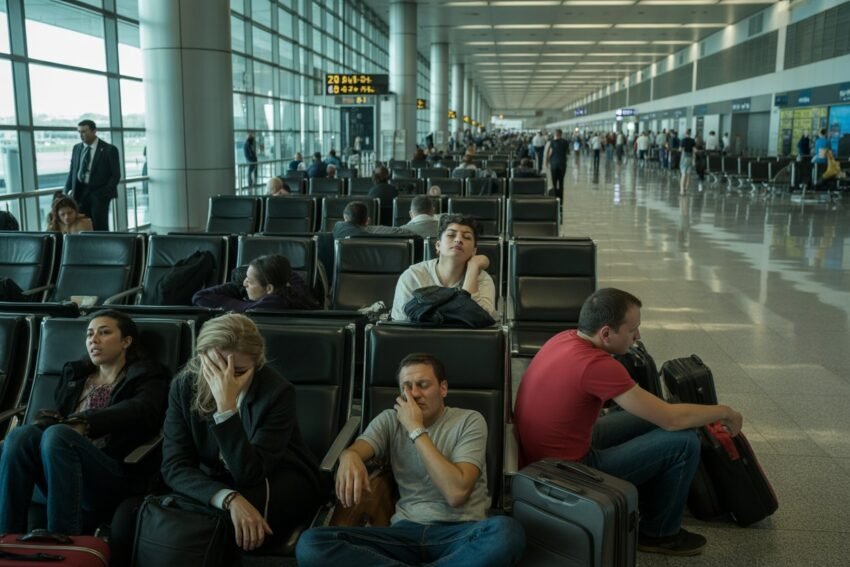
A wave of flight cancellations and delays has recently hit key airports across Asia, leaving thousands of passengers stranded and scrambling for alternative options. More than 50 flights have been affected, including those bound for popular tourist destinations like Jakarta, Bali, Singapore, Sydney, and even long-haul routes to San Francisco. As operational pressures on regional hubs intensify, travelers face long waits, crowded terminals, and disrupted travel plans, especially as holiday traffic to Indonesia and other Southeast Asian hotspots remains high. This disruption has become particularly noticeable at major gateways such as Jakarta’s Soekarno Hatta and Kuala Lumpur International, where both leisure travelers and business passengers are left grappling with tight connections, limited rebooking options, and heightened frustration. This situation has been compounded by weather disruptions in some areas, but the root cause points to the broader operational pressures of Asian airline networks, which have been struggling to meet demand.
Key Travel Hubs Under Pressure
Asia’s busiest airports have borne the brunt of the chaos, with Indonesia, Malaysia, and Taiwan seeing the most significant disruptions. Soekarno Hatta International in Jakarta, a hub for domestic and regional flights, continues to face high levels of cancellations and rolling delays, especially affecting passengers heading to Bali. Travelers bound for popular resort destinations such as Ubud and Seminyak are now dealing with shorter stays due to last-minute flight changes. Meanwhile, Kuala Lumpur International is facing similar strains, with delayed flights creating a ripple effect throughout Southeast Asia. Tight connection times for those traveling onward to destinations in Europe or North America have become near impossible to meet.
At Taiwan’s Taoyuan International, delayed flights stemming from the congestion in other regional hubs have extended layovers for travelers connecting to North Asia or Oceania. Despite these regional challenges, Hong Kong International, a major air bridge between East Asia and Southeast Asia, is also feeling the effects, as flights from Malaysia and Indonesia struggle to meet the required gate schedules.
Budget Airlines Struggling to Keep Up
The disruptions haven’t spared budget carriers. Batik Air, a major player in Indonesia, has found itself among the most affected, particularly for routes between Jakarta and other key Southeast Asian cities. Travelers relying on AirAsia, another low-cost giant, have also been caught in the mess, with Kuala Lumpur serving as a hub for the majority of AirAsia’s regional flights. Many passengers who were planning to travel to Singapore, Indonesia, or Thailand on a budget now face the inconvenience of overbooked flights, resulting in higher fare costs for last-minute rebookings.
Furthermore, passengers with Jetstar and other value carriers have been forced to face unpredictable scheduling, adding more uncertainty for travelers eager to get to Australia or the Pacific Islands. With many budget carriers struggling to keep up with aircraft utilization issues, holidaymakers are left scrambling for alternatives.
Impact on Long-Haul Flights and Business Travel
While the Asia-Pacific region has faced its share of disruptions, long-haul routes have also been significantly affected. United Airlines, serving San Francisco, has been one of the hardest-hit carriers. Travelers flying through major regional hubs were unable to meet their connections, causing delays and overnight stays at airports. With tight international connections, passengers who initially planned seamless journeys have found themselves waiting in limbo.
Advertisement
Advertisement
Business travelers heading to Singapore, Hong Kong, and other regional financial centers have also seen their itineraries upended. With important meetings and events now being rescheduled or moved online, corporate travel managers in Southeast Asia are feeling the impact of the delays, as some key business hubs are seeing a delay in arrivals from Jakarta, Kuala Lumpur, and beyond.
Tips for Stranded Passengers
For those affected by the chaos, proactive measures can ease some of the stress:
Advertisement
Advertisement
- Monitor flight status regularly: Make sure you are up to date on any changes, especially if you’re traveling through major hubs like Jakarta, Kuala Lumpur, or Singapore. Airline apps and notifications can keep you in the loop about cancellations and new departure times.
- Arrive early and build extra time into your schedule: With so many flights being delayed, it’s important to give yourself ample time for rebooking and potential check-in delays.
- Explore flexible routing options: If your connections are tight, it might be worth considering earlier flights or consolidating your trip to a single airline to minimize the risk of further disruptions.
- Seek assistance early: At airports, head to the airline counter for immediate rebooking. The sooner you act, the better your chances of finding a viable alternative.
- Consider rerouting: In some cases, if you’re stuck in an airport, rerouting to a different airport in the region or switching your travel dates might be necessary to avoid even more significant delays.
Southeast Asia’s Vulnerabilities to Airline Strain
The recent disruptions highlight the fragility of Southeast Asia’s air transport system, especially during peak travel seasons. As airline networks continue to face strain, travelers should be prepared for more disruptions. The tight scheduling, combined with issues like crew shortages and aircraft availability, means passengers will have to remain flexible and vigilant.
Tourism is still one of the main drivers of Southeast Asia’s economy, especially in Indonesia, Malaysia, and Singapore. While tourism will continue to thrive in these regions, these operational vulnerabilities remain a risk for travelers looking to make the most of their vacation time.
Navigating Future Travel Challenges
For tourists, the impact of flight disruptions can be significant, especially when travel plans are set around fixed hotel bookings or tour dates. With a spike in last-minute cancellations, travelers must factor in extra time for potential delays, particularly in Indonesia, Malaysia, and Taiwan.
As travel insurance claims related to delayed flights and accommodation costs rise, it’s important for passengers to be aware of the terms and conditions of their policies. Travel insurance can cover some of the expenses caused by unforeseen disruptions, though the extent of coverage varies from one provider to the next.
Final Thoughts on Asia’s Flight Chaos
The recent flight disruptions affecting key hubs in Southeast Asia underscore the challenges of modern air travel, especially during peak seasons. With continued capacity constraints and tight airline schedules, passengers traveling through Jakarta, Kuala Lumpur, and Singapore may face more uncertainty in the short term. Flexibility and vigilance will be crucial for travelers in the coming months.