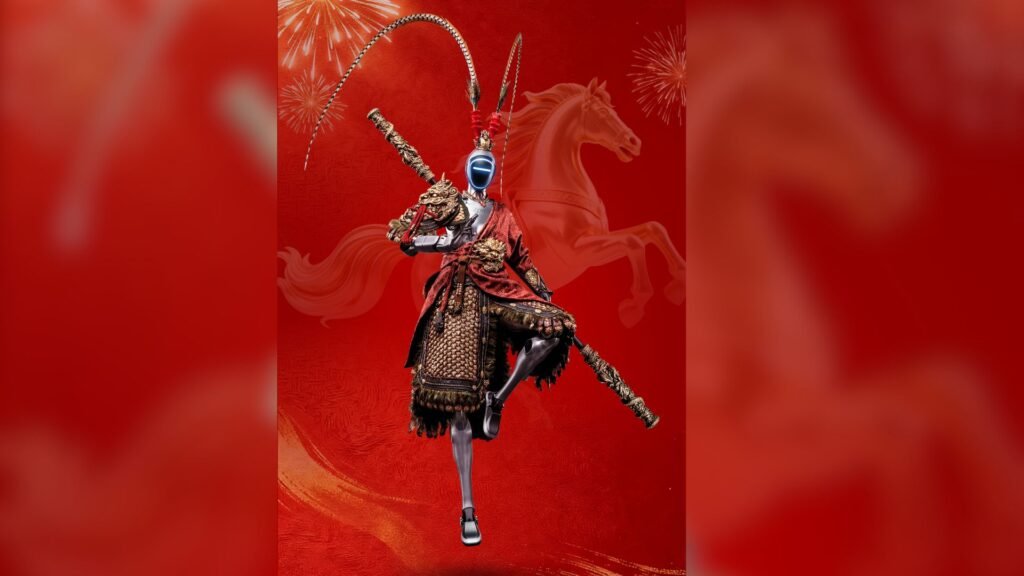
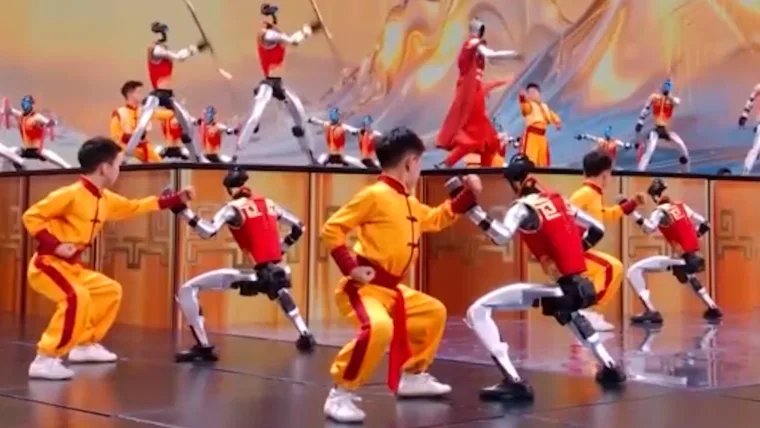
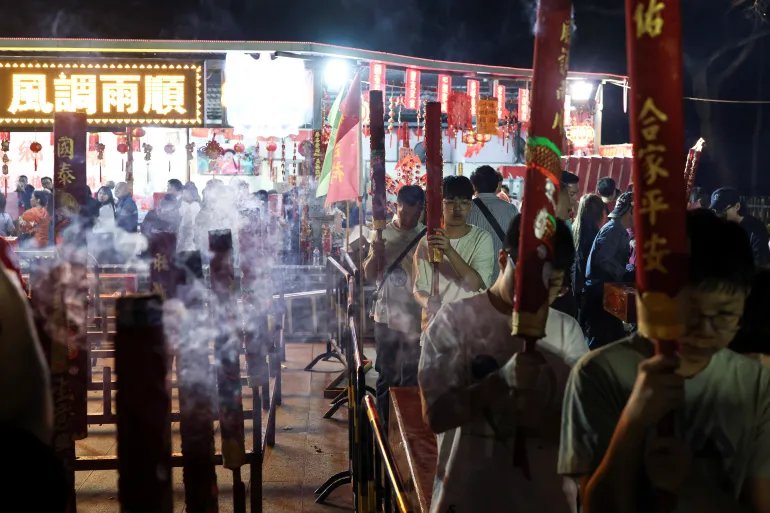
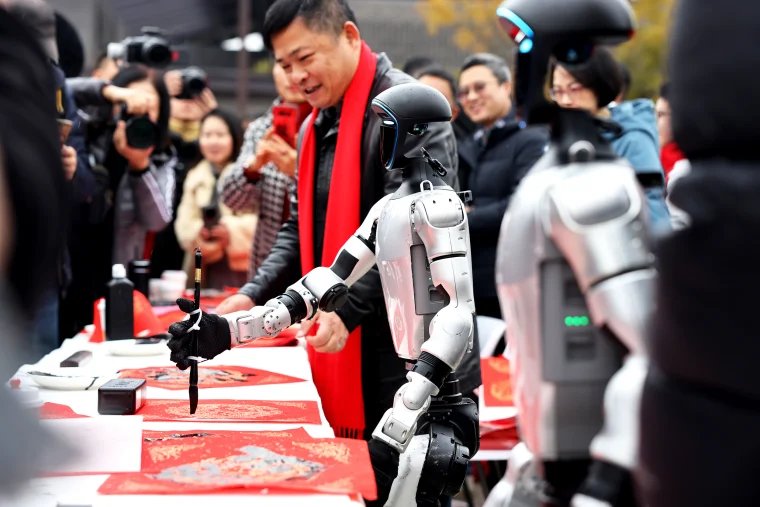
As China ushered in the Year of the Horse this February, the traditional Lunar New Year holiday transformed into something unexpected: a full-blown battlefield for artificial intelligence domination. Major Chinese tech firms turned what is normally a time for family, food, and fireworks into an all-out marketing blitz that has drawn comparisons to America’s Super Bowl — only this spectacle is about onboarding users to AI platforms rather than touchdowns and halftime shows.
AI Meets Ancient Tradition
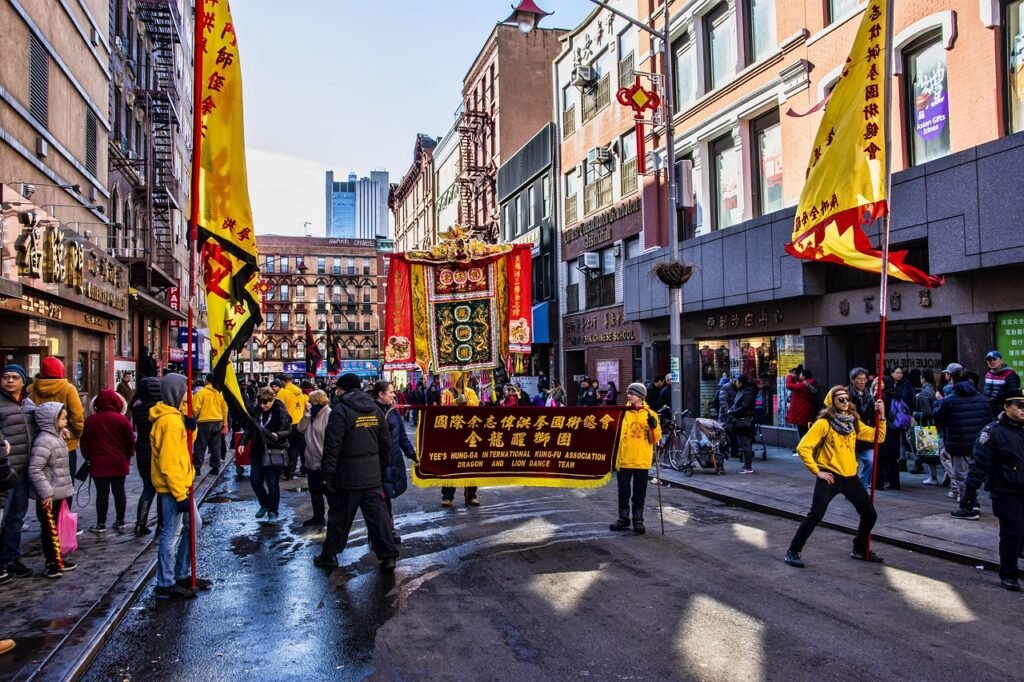
The Spring Festival — known outside China as Lunar New Year — is the country’s most important holiday, a nine-day period when families reunite, billions of travel trips are made, and attention remains fixed on cultural celebrations. Chinese AI companies, seeing an opportunity for massive user engagement, have used this period as a launchpad for aggressive promotions that blend modern technology with deeply rooted cultural practices.
Among the tactics deployed:
- Digital “red envelope” cash giveaways tied to AI apps
- Free or discounted food and beverages triggered through chatbot interactions
- Luxury prizes such as electric cars or robots awarded through lucky draws
- Integration of generative AI into e-commerce, travel, and everyday tasks
In effect, the holiday’s celebratory spirit has been co-opted into a technology adoption event.

Big Spenders on the Lunar New Year Battlefield
Several of China’s largest and most influential tech firms have poured significant resources into this campaign:
Alibaba has committed roughly 3 billion yuan (about $430 million) to promote its Qwen AI assistant, offering incentives such as free drinks and continuously updated “red envelope” rewards that spiked usage dramatically soon after launch.
Tencent responded with a 1 billion yuan cash giveaway through its Yuanbao AI platform, pushing rewards directly into consumer wallets that can be used via social and payment apps.
Baidu earmarked hundreds of millions of yuan for its Ernie chatbot ecosystem, while ByteDance introduced prizes tied to its popular Doubao AI, including hundreds of thousands of high-value giveaways during the televised Spring Festival Gala.
These campaigns reflect an existential calculation: AI models are losing money on basic functions, but controlling user attention now could yield rewards later when monetization develops. Some analysts note that as digital ecosystems expand, companies may eventually integrate broader fintech elements — from digital wallets to blockchain-based assets like Bitcoin — into their engagement strategies.
Promotions Beyond Cash: Cultural Resonance and Deep Engagement
The marketing blitz isn’t just about throwing cash at consumers. Designers of these campaigns are tapping into deeply entrenched cultural icons:
- “Red envelopes” — or hongbao — are traditional symbols of luck and prosperity given during Lunar New Year. Integrating them digitally — often with significant cash amounts — merges tradition with cutting-edge tech engagement.
- Festivals such as the Spring Festival Gala — easily one of the most watched television events in the world — are being used as prime real estate for AI brand exposure and product demonstrations in front of tens of millions of viewers.
This fusion of ancient cultural motifs with modern digital experiences is strategic, making AI feel familiar and festive rather than foreign and technical. Experts see this approach as key to building habitual use among hundreds of millions.

Consumer Response and Viral Momentum
Early results from these giveaways are eye-popping. In some cases, users booked millions of orders for basic food items like bubble tea within hours of a campaign launch, overwhelming local vendors and digital infrastructure.
One Shenzhen banker who participated in the Qwen promotion said he planned to explore additional AI–powered services after tasting the convenience firsthand — a sign that beyond freebies, the technology itself is enticing users.
The Bigger Picture: Why This Matters
China’s massive festive campaigns have implications well beyond consumer rewards:
AI adoption at scale: By capturing attention during a period of high digital engagement, companies hope to lock users into their ecosystems — a key advantage in a world where AI tools increasingly shape how people search, shop, and interact. Behind the scenes, this surge in activity also depends on powerful computing infrastructure and scalable server environments, the kind of backbone technologies that firms specializing in high-performance hosting, such as HW Server, are designed to support.
Competitive signaling: The sheer scale of spending — billions of yuan in some cases — sends a message about China’s confidence in its domestic AI industry and its readiness to rival Western technology giants.
Regulatory scrutiny: Authorities in Beijing have expressed concern about the intensity and potential wastefulness of some of these tactics, warning that “ultra-competitive” giveaways could harm market stability.
Experts Weigh In: Sustainable Engagement vs. Short-Lived Buzz
Industry analysts caution that while these campaigns generate massive short-term attention, they don’t guarantee long-term loyalty.
“It’s similar to past digital milestones — big giveaways drive initial traction, but real success comes from developing genuinely useful tools that users rely on daily,” one research director told reporters, noting that promotions alone aren’t a sustainable foundation for ecosystem dominance.
From Festivity to Foundation: What’s Next for China’s AI Ecosystem
As the holiday season concludes, tech watchers are left wondering whether China’s Lunar New Year AI blitz will reshape the broader sector. Will these user acquisition efforts translate into lasting engagement and economic return? Or will they simply be remembered as another extraordinary chapter in China’s technology story?
Either way, the spectacle underscores how AI has matured from a niche innovation tool to a social force capable of permeating cultural traditions and consumer behavior in unprecedented ways.