Mainland China markets on extended break
Onshore stock and yuan markets — including the Shanghai Stock Exchange and Shenzhen Stock Exchange — are closed for the Lunar New Year holiday from mid-February and will resume trading on Tuesday, February 24. The closure aligns with China’s official nine-day Spring Festival holiday period from February 15 to 23, introduced to encourage travel and consumption.
China’s interbank bond market is also shut over the same period, though authorities designated Saturday, February 14 and Saturday, February 28 as adjusted working days — a common practice in China’s holiday calendar.
Commodity trading on Chinese exchanges similarly pauses during the festival window, with markets reopening alongside equities.
Hong Kong trading schedule
In Hong Kong, the Hong Kong Exchanges and Clearing is closed for several days around the Lunar New Year, typically shutting from the first to third day of the holiday and reopening shortly thereafter, with normal trading resuming toward the end of the week.

Because Hong Kong serves as a major gateway for international investors into Chinese assets, reduced activity there can amplify the global impact of the holiday period.
Why the Lunar New Year matters for markets
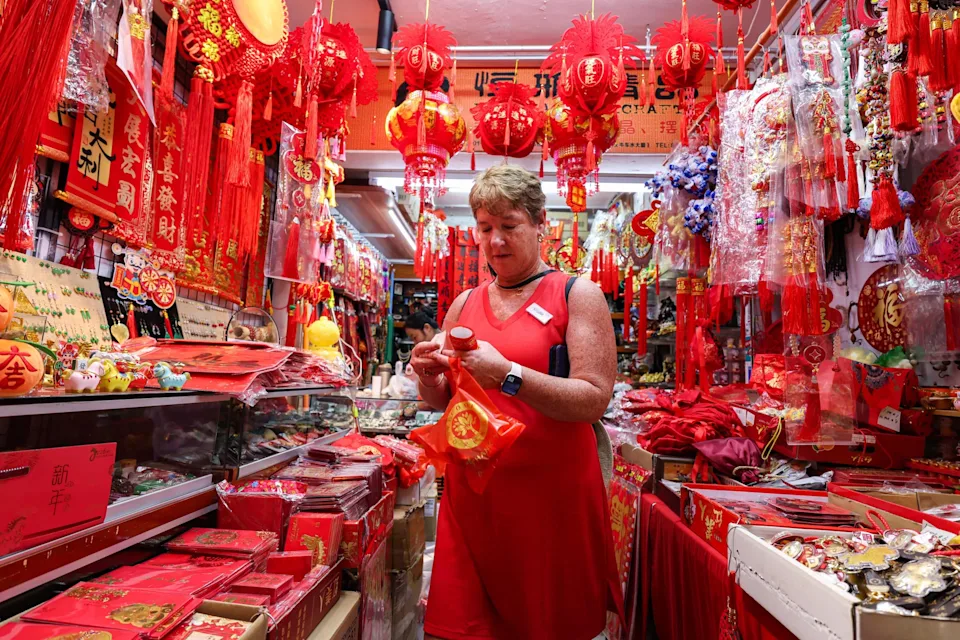
The Spring Festival is not just a cultural event — it is also a major economic marker. The holiday coincides with the world’s largest annual migration, with billions of trips expected as people travel home, a trend closely watched as a gauge of consumer confidence and economic momentum.Authorities often use the extended break to stimulate domestic demand through tourism and retail spending, while businesses slow operations. This seasonal lull typically leads to:
- Lower trading volumes across Asian markets
- Reduced liquidity in the yuan and regional FX
- Potential volatility in commodities due to thinner participation
- A pause in key economic data releases
- Global ripple effects
When China, the world’s second-largest economy pauses trading, global markets often adjust in subtle ways:
- Commodities: With China being a major consumer of metals and energy, trading activity can become subdued or more volatile.
- Currencies: The offshore yuan and Asian FX may see reduced liquidity, occasionally widening spreads.
- Equities: Investors may look to Hong Kong or U.S.-listed China stocks for price discovery during the mainland shutdown.
Analysts also note that the post-holiday reopening can bring pent-up flows, sometimes leading to sharp moves depending on news accumulated during the break.
Seasonal “holiday effect”
Academic research has documented a “holiday effect” in Chinese equities — patterns of abnormal returns or shifts in investor sentiment around major festivals like the Spring Festival — reflecting cultural and behavioral influences on trading activity.
What investors should watch for-
- When the Chinese market reopens next week, key factors to monitor include:
- Policy signals from Beijing
- Consumption data from the holiday period
- Movements in yuan
- Commodity demand indicators
- Global macro developments that occurred during the closure