These tips can help you make the most of your RMDs.
One inevitability of tax-deferred retirement accounts is that you can’t defer the tax payments forever. Retirees must begin Required Minimum Distributions (RMDs) once they reach age 73. (This age will increase to 75 for anyone born in 1960 or later).
There’s more to an RMD than just withdrawing the money and paying taxes, though. Here are three strategic ways for retirees to use their RMDs.
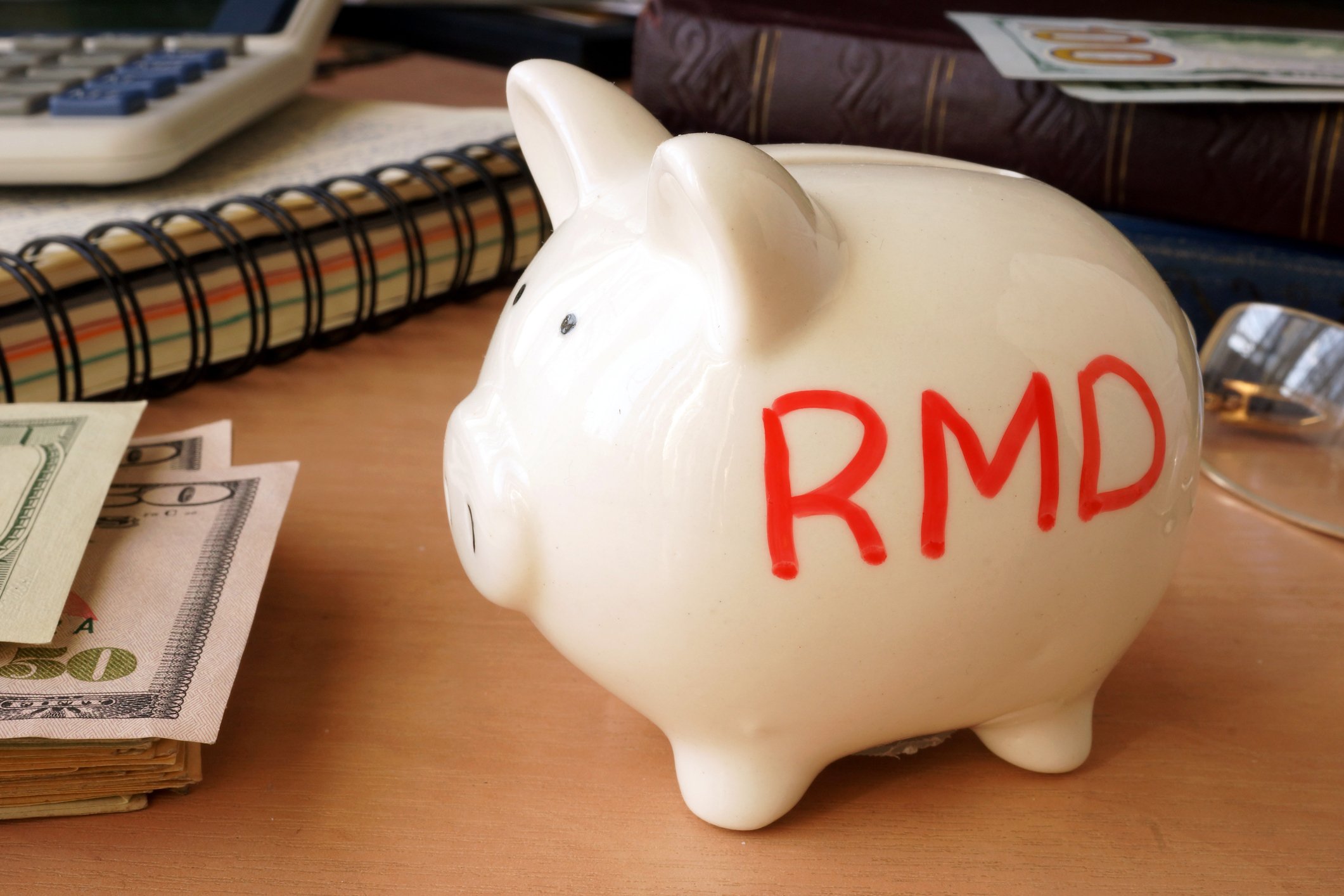
Image source: Getty Images.
1. Use an “in-kind” transfer of shares
Suppose you own stocks or exchange-traded funds (ETFs) in an IRA that have declined in value during a market downturn. You could sell shares at a loss to cover your annual RMD. However, there’s another alternative to consider in this scenario: Use an “in-kind” transfer of shares.
With this approach, the custodian of your retirement account will move shares of stocks or ETFs directly from your IRA to a taxable brokerage account. You’ll have to pay the RMD taxes with other funds. The good news, though, is that you won’t lock in the loss on the stocks or ETFs. Instead, you can hold onto them and give them time to bounce back from the sell-off.
2. Take advantage of the Qualified Charitable Distribution (QCD)
If you donate to charities, you’ll definitely want to take advantage of the Qualified Charitable Distribution (QCD) allowed by the IRS. A QCS will enable you to transfer up to a specified limit ($111,000 in 2026) directly to a charity that is set up as a 501(c) organization.
This distribution will count toward your annual RMD. The great thing about QCDs, though, is that they are excluded from your adjusted gross income (AGI). Having a lower AGI can help some retirees reduce their Medicare Part B and Part D premiums. It could also allow some retirees to better handle a new change that goes into effect this year, limiting the ability to deduct charitable contributions to those that exceed 0.5% of the taxpayer’s AGI.
3. Simplify your estimated tax payments
Retirees must remember to submit their estimated tax filings each quarter. But there’s a way that RMDs can simplify those filings. You can have the custodian of your retirement account withhold up to 100% of your RMD for federal and state taxes.
Here’s the beauty of this approach. The IRS treats taxes withheld from an RMD as paid evenly throughout the year, regardless of when the distribution is made. If your RMD is large enough, you could withdraw it in December without writing any quarterly estimated tax checks.